Deep Research & Description
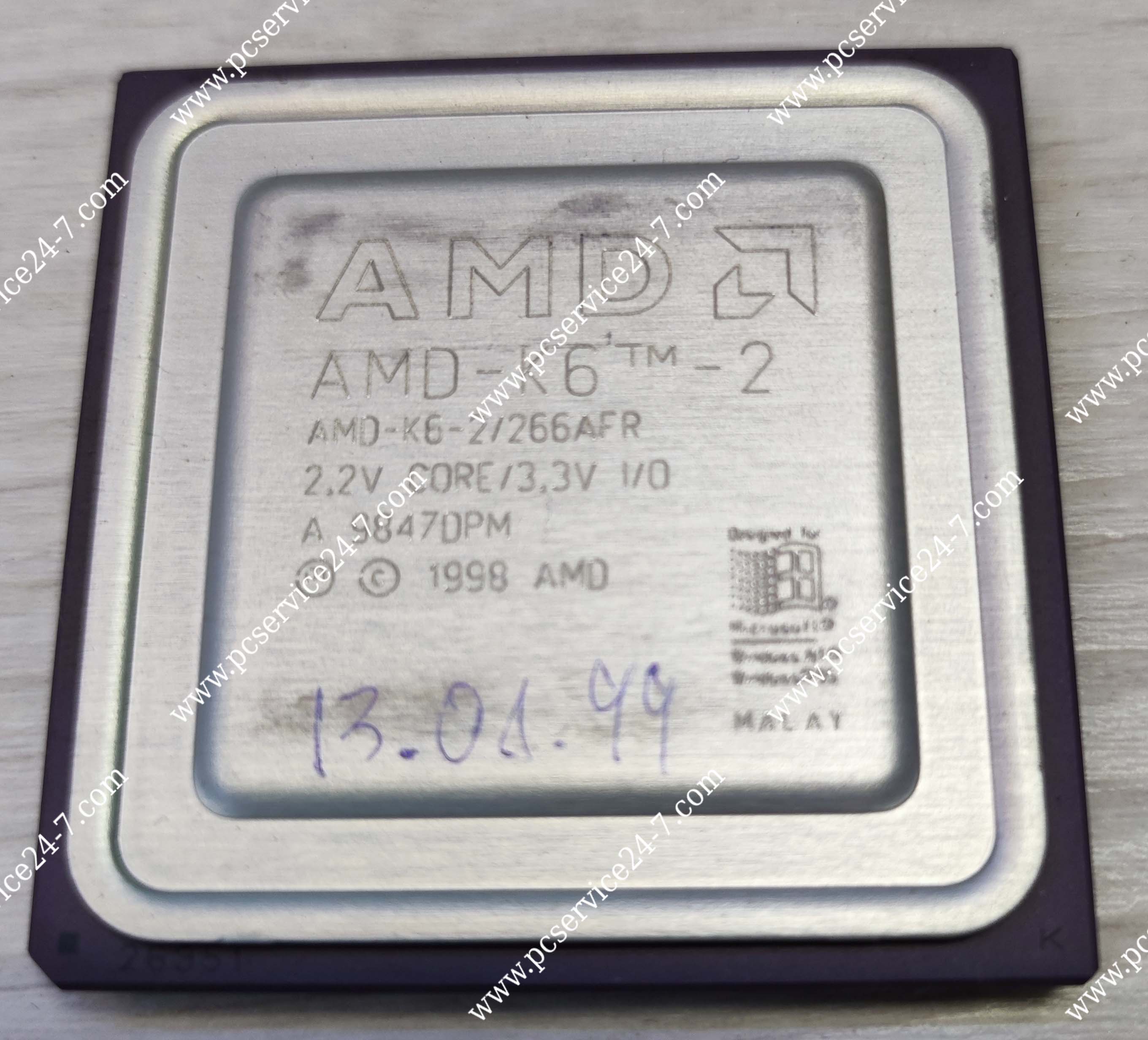
The AMD-K6-2 was the processor that introduced the world to 3DNow!™ technology. At a time when 3D graphics were moving from software rendering to dedicated hardware acceleration, AMD beat Intel to the punch by releasing a set of 21 new instructions designed specifically to speed up floating-point intensive 3D vector calculations. This made the K6-2 a favorite for gamers who were just starting to experiment with the first generation of 3D accelerators like the 3dfx Voodoo or the Riva 128.
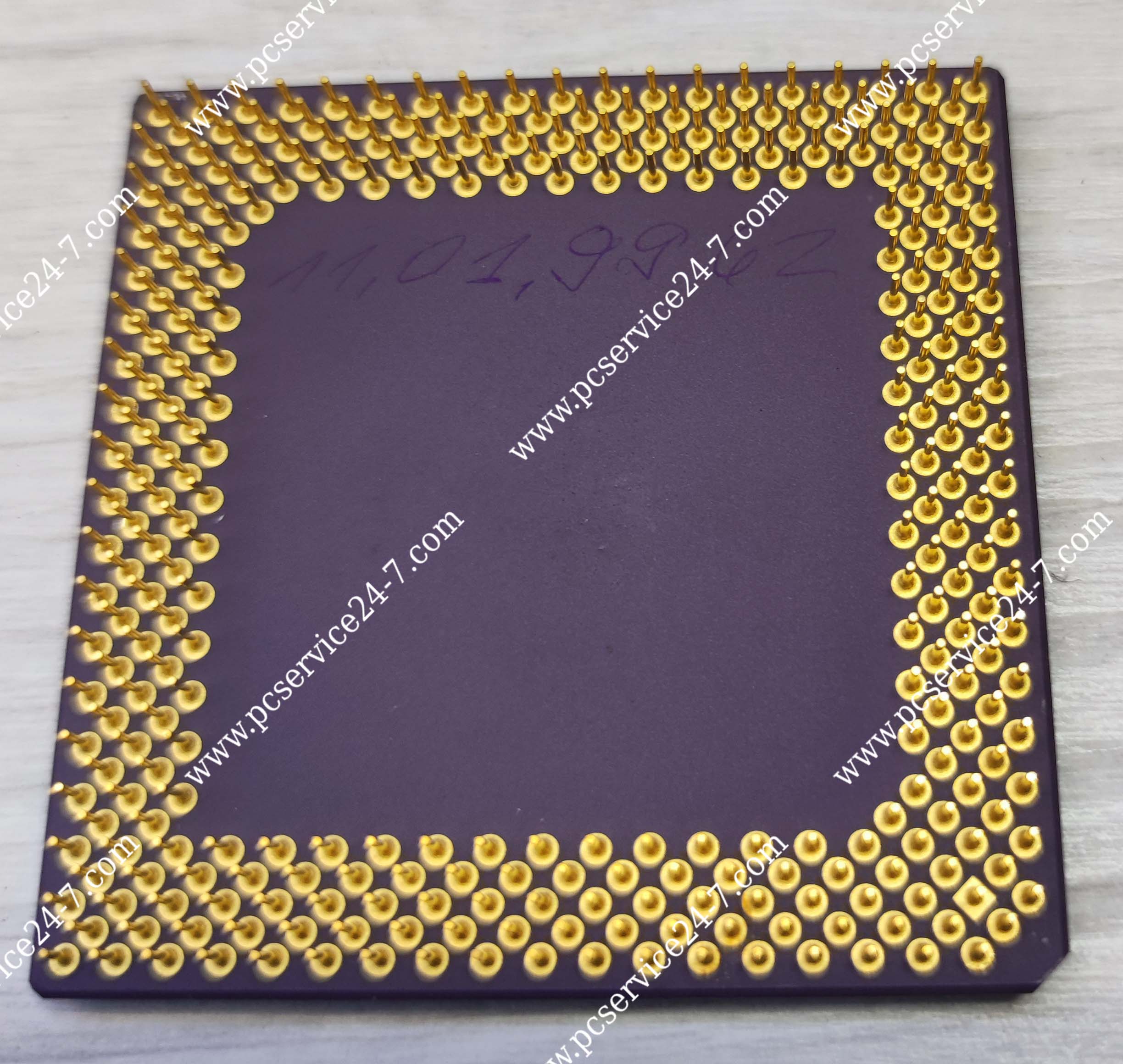
Technically, the “AFR” variant of the 266 MHz model is a classic example of the Super Socket 7 transition. While the Pentium II required a massive, expensive “Slot 1” cartridge, the K6-2 stayed in a familiar ceramic pin-grid array. The 266 MHz model typically ran on a 66 MHz Front Side Bus (FSB) with a 4.0x multiplier. Because it was manufactured on a 0.25-micron process, it managed to stay relatively cool compared to its predecessors, though it still required a sturdy heatsink and fan for stability.
In the evolution of the PC, the K6-2/266 was the “Great Democratizer.” it proved that you didn’t need a high-priced Intel “Slot” system to run Windows 98 or play the latest 3D games. It forced Intel to lower their prices and eventually release the Celeron, forever changing the competitive landscape of the CPU market.
Era Context
-
The “3DNow!” Hype: This was AMD’s answer to Intel’s MMX, but focused on 3D math rather than just 2D video. It gave AMD a temporary lead in “gaming-ready” marketing.
-
Operating System: The perfect match for the original release of Windows 98.
-
Motherboard Legacy: Many users “upgraded” their older 430TX or VP3 chipset boards with this chip, giving a 1995-era computer a second life in 1998.
Component Gallery
Quick Specs
| Bus Speed | 66 MHz |
| L1 Cache | 64 KB (32KB Instruction + 32KB Data) |
| Instruction Set | x86, MMX, 3DNow! |
| Socket | Socket 7 / Super Socket 7 |
| Voltage | 2.2V Core / 3.3V I/O |
| Operating Temp | 60°C (Max Case Temp) |