Deep Research & Description
The K7VT6 is built around the VIA KT600 chipset (paired with the VIA 8237 Southbridge). This was VIA’s final major push to compete with the Nvidia nForce2. While the nForce2 was famous for its dual-channel memory, the KT600 was the “stability king,” offering official support for the 400MHz FSB—the speed required to run the range-topping Athlon XP 3200+.
Technically, this board was a “bridge” to the future. Even though it served a legacy socket, it introduced SATA 1.5 Gb/s and RAID 0, 1 support, allowing users to pair their aging Athlon systems with modern (for the time) high-speed hard drives. It also featured ASRock’s Hybrid Booster, a suite of safe overclocking tools that included “Stepless Control” for CPU frequency and “Boot Failure Guard,” which made it a favorite for budget enthusiasts who wanted to push their chips without the fear of a permanent black screen.
In the evolution of the PC, the K7VT6 represents the transition from the beige-box era to the more colorful “enthusiast” look. With its turquoise-colored PCB and specialized I/O Plus panel (featuring 6 ready-to-use USB 2.0 ports), it offered connectivity that rivaled boards twice its price. It was the motherboard that kept many gamers in the AMD camp just long enough for the Athlon 64 to arrive.
Era Context
-
The “Barton” Sweet Spot: This board was the ideal partner for the Athlon XP 2500+ (Barton). Because of the KT600’s solid FSB control, many users famously “unlocked” the 2500+ to run at 3200+ speeds on this very platform.
-
The VIA vs. Nvidia War: While Nvidia had the performance edge with the nForce2, VIA boards like the K7VT6 were often preferred for their lack of “nForce driver bloat” and their legendary IDE/SATA compatibility.
-
Operating System: The definitive Windows XP platform. Its drivers were so mature that it was one of the most stable ways to experience the SP2 era.
-
The Longevity Legend: Many K7VT6 boards survived well into the late 2000s in industrial and office roles because the VIA chipset ran significantly cooler than its Nvidia counterparts.
Component Gallery
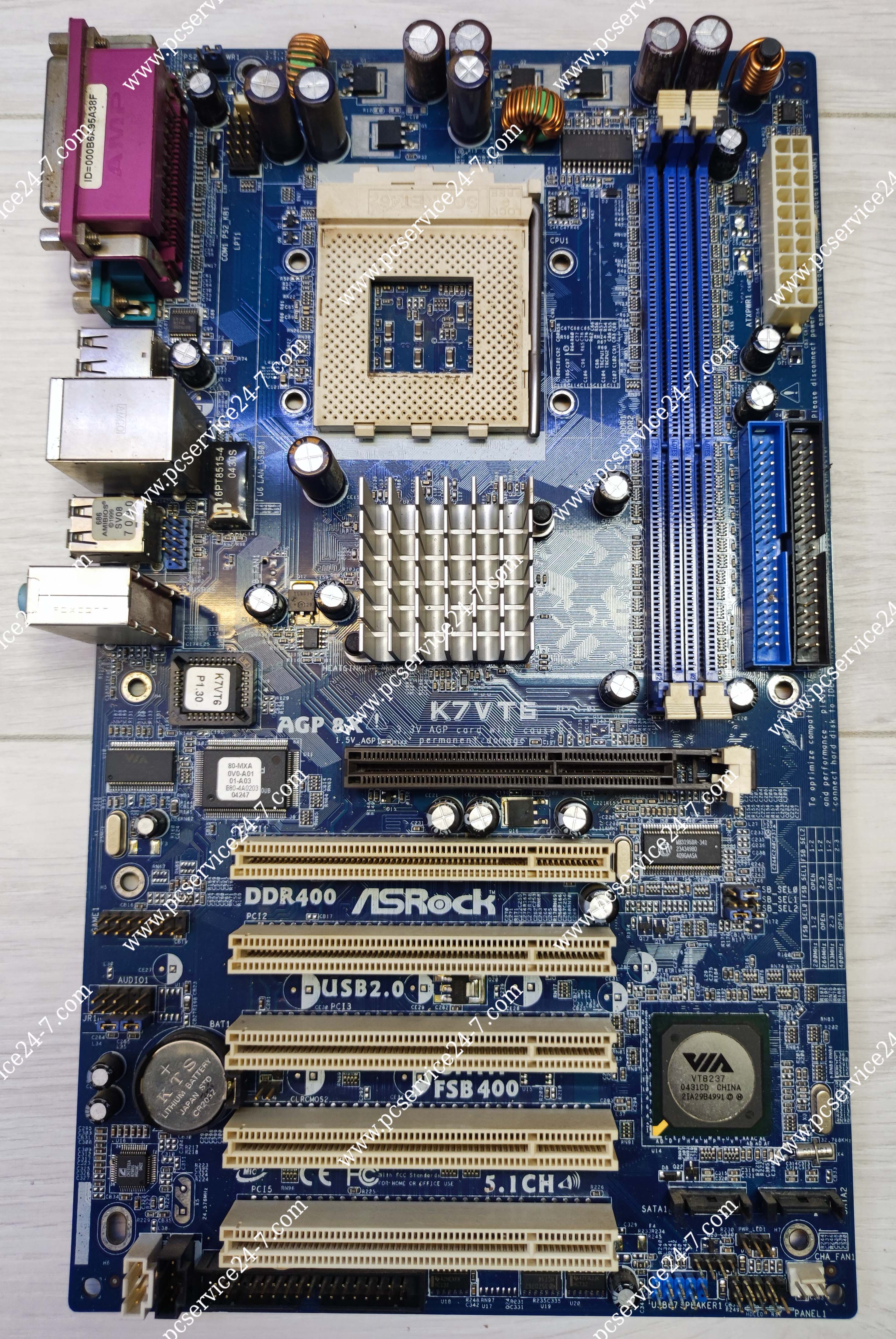
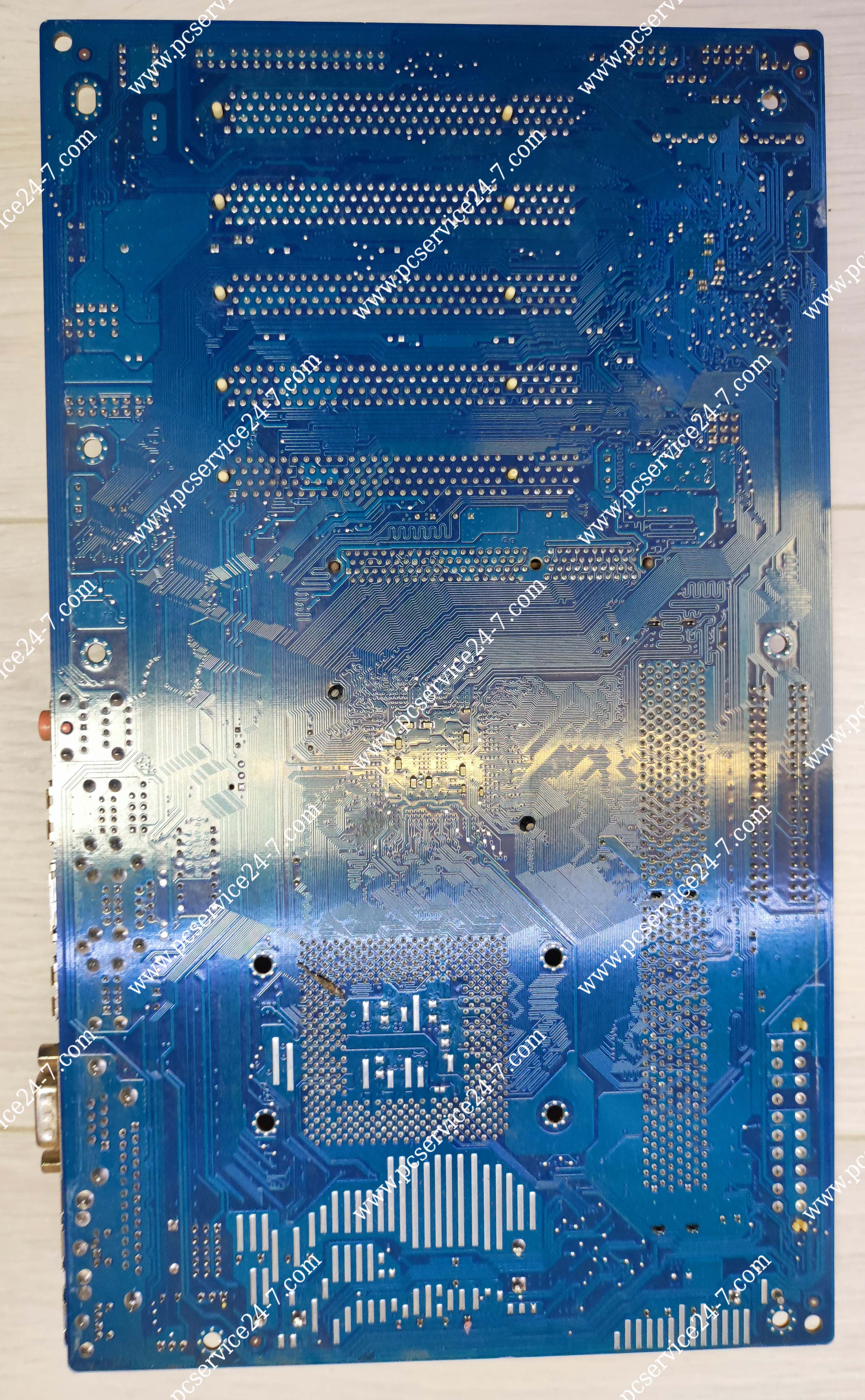
Quick Specs
| Feature | Specification |
| CPU Socket | Socket A (462) |
| Supported CPUs | AMD Athlon XP / Athlon / Duron / Sempron |
| Chipset | VIA KT600 (North) + VIA 8237 (South) |
| FSB | 400 / 333 / 266 / 200 MHz |
| Memory | 2x DDR DIMM Slots (Up to 2GB DDR400) |
| Expansion | 1x AGP 8X/4X, 5x PCI Slots |
| Storage | 2x SATA 1.5 Gb/s, 2x ATA 133/100 (IDE) |
| Audio | 5.1 Channel (CMedia CMI9761) |
| USB | 6x USB 2.0 on Rear I/O |
| Form Factor | ATX (305mm x 178mm) |