Deep Research & Description
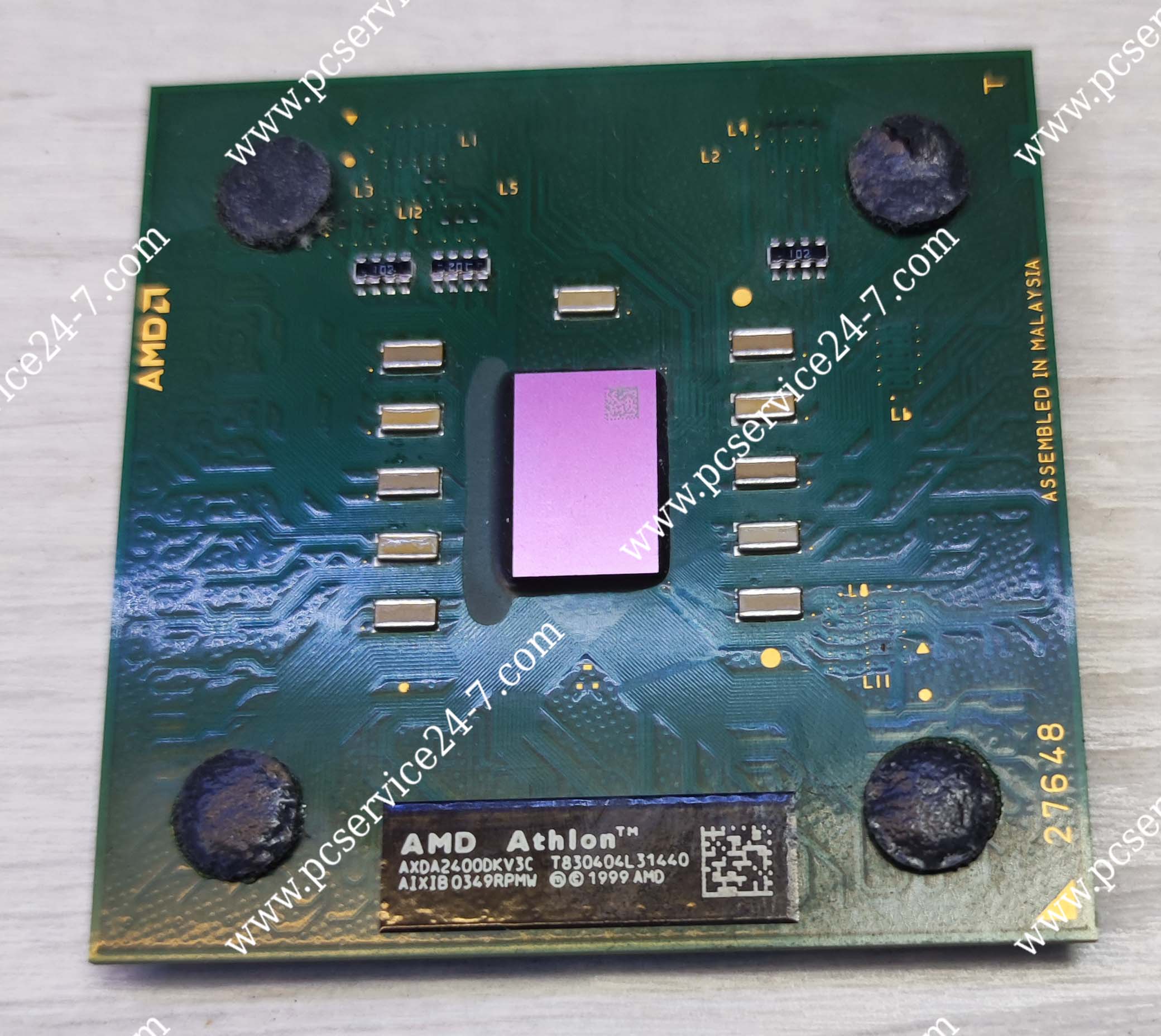
The “AXDA2400DKV3C” is built on the refined Thoroughbred-B (T-Bred B) core, utilizing a 0.13-micron manufacturing process. This specific revision was a massive improvement over the earlier “Palomino” and “Thoroughbred-A” cores, as it added an extra layer of metal in the CPU’s wiring to reduce electrical interference and heat. This made the 2400+ one of the most stable and overclockable chips of its generation.
A key part of this chip’s identity is the QuantiSpeed™ Architecture. While the 2400+ actually runs at a physical clock speed of 2000 MHz (2.0 GHz), AMD marketed it as “2400+” to indicate that it performed as well as, or better than, an Intel Pentium 4 running at 2.4 GHz. This was the era where AMD successfully educated the public that “more MHz does not always mean more speed.”
In the evolution of the PC, the Athlon XP 2400+ was the “sweet spot” for enthusiasts. It ran on the 266 MHz Front Side Bus (FSB), making it compatible with a wide range of Socket A motherboards (KT333 and KT400 chipsets). It provided the horsepower required for the transition to Windows XP and was the go-to choice for gamers playing Battlefield 1942, Grand Theft Auto: Vice City, and the early days of Half-Life 2 development.
Era Context
-
The “T-Bred B” Legend: This core was famous for having an unlocked multiplier on earlier production runs, making it a dream for overclockers who wanted to push the FSB to 333 MHz or higher.
-
Operating System: The definitive Windows XP Professional era processor.
-
Motherboard Pairings: Often found on high-end boards like the ASUS A7V8X or the Abit NF7-S, pushing the limits of the AGP 8X graphics standard.
Component Gallery
Quick Specs
| Feature | Specification |
| Model | Athlon XP 2400+ |
| Part Number | AXDA2400DKV3C |
| Core Codename | Thoroughbred-B (Model 8) |
| Actual Clock | 2000 MHz (2.0 GHz) |
| Bus Speed | 266 MHz (FSB) |
| L2 Cache | 256 KB (Full Speed) |
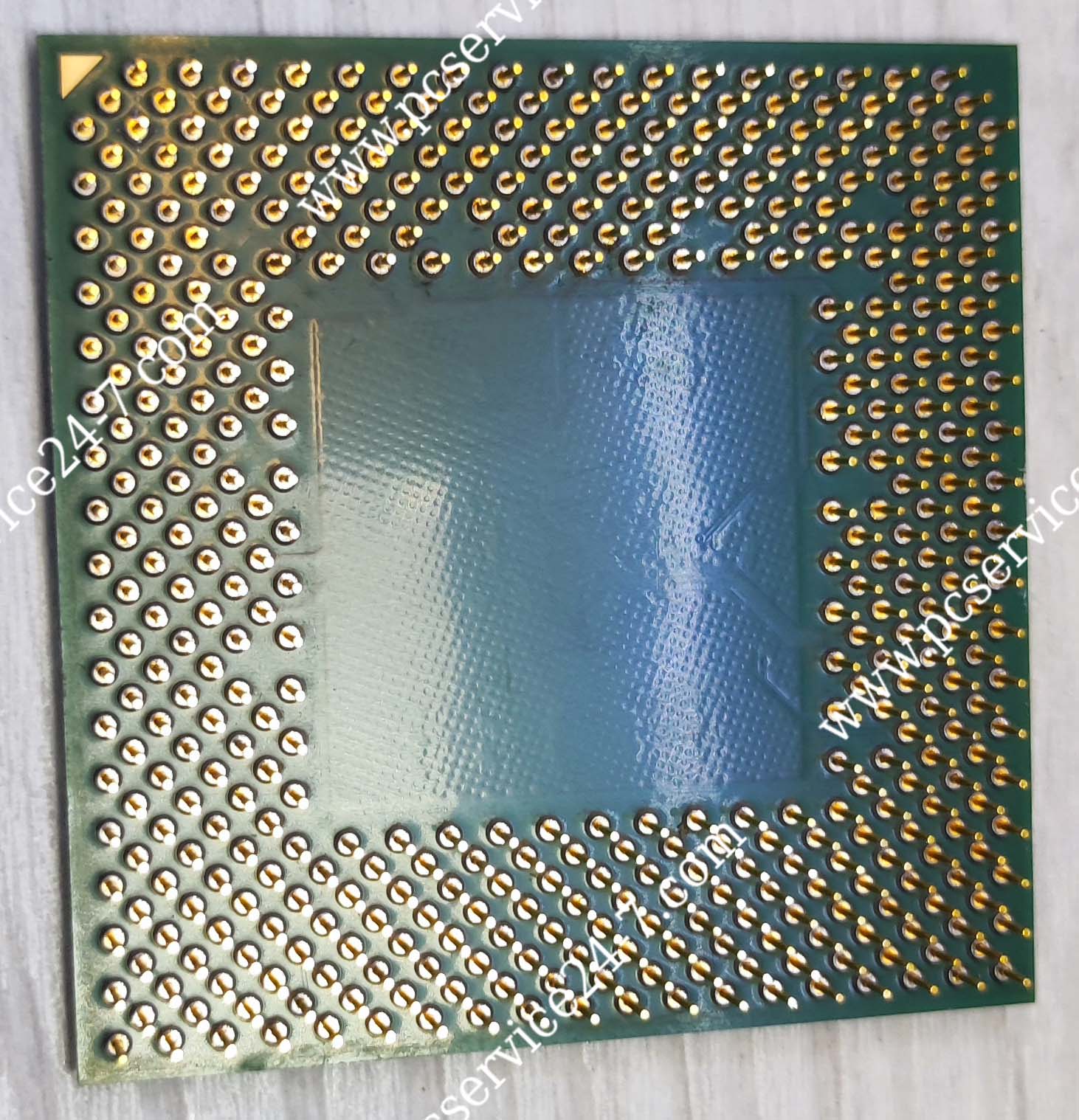
| Socket | Socket A (Socket 462) |
| Voltage | 1.65V (Standard) |
| Max Temp | 85°C |
| Process | 130 nm (0.13 micron) |