Deep Research & Description
Technically, the star of the show is the Intel 82443BX Northbridge. This chip allowed for a 100MHz Front Side Bus (FSB), which was a massive jump over the older 66MHz standards. It also provided the AGP 2X interface, which was essential for feeding data to high-speed cards like your Voodoo Banshee or early TNT2.
The board’s layout is a masterpiece of late-90s ATX design. It features three 168-pin DIMM slots for PC100 SDRAM, giving it a maximum capacity (usually 768MB) that was gargantuan for the time. It also retained the ISA slots (usually two), which made it a favorite for gamers who refused to give up their ISA SoundBlaster AWE32 or high-end internal modems.
The Socket 370 version of the CB61 is highly prized today because it combines the legendary stability of the Intel 440BX chipset with the convenience of a socket. You don’t need a “Slotket” adapter to run the best chips of the era; you can drop them straight in.
However, since this is the B1 revision, there is a crucial technical detail to check: Voltage support. * PPGA Celerons: This board handles the early plastic-packaged Celerons (300MHz to 533MHz) perfectly.
-
FC-PGA Pentium IIIs: If your revision B1 has the updated VRM (Voltage Regulator Module), it can handle the “Coppermine” Pentium IIIs. The BX chipset was originally designed for higher voltages, so the B1 revision was DFI’s way of ensuring the board could safely drop the voltage for these newer, more sensitive chips.
The DFI CB61 (Revision B1) is a classic representation of the “Golden Age” of the PC motherboard. Released in late 1998/early 1999, it is built upon the legendary Intel 440BX chipset. For retro-computing enthusiasts, the “BX” chipset is considered the most stable, compatible, and high-performance platform ever designed for the Slot 1 interface.
Deep Research & Description
The CB61 was manufactured by DFI (Design for Innovation) during an era when they were transitioning from a reliable OEM supplier to a brand beloved by enthusiasts. The Revision B1 is particularly significant because it refined the board’s power delivery system. While the original CB61 was designed for the Pentium II, the B1 revision improved support for the newer Pentium III (Katmai and early Coppermine) processors by adhering more closely to the VRM (Voltage Regulator Module) 8.4 specifications.
Technically, the star of the show is the Intel 82443BX Northbridge. This chip allowed for a 100MHz Front Side Bus (FSB), which was a massive jump over the older 66MHz standards. It also provided the AGP 2X interface, which was essential for feeding data to high-speed cards like your Voodoo Banshee or early TNT2.
The board’s layout is a masterpiece of late-90s ATX design. It features three 168-pin DIMM slots for PC100 SDRAM, giving it a maximum capacity (usually 768MB) that was gargantuan for the time. It also retained the ISA slots (usually two), which made it a favorite for gamers who refused to give up their ISA SoundBlaster AWE32 or high-end internal modems.
Component Gallery
(As you inspect this board, look at the tall, distinctive Slot 1 connector. Use the Lightbox zoom to check the capacitors around the CPU slot—DFI used high-quality components, but 25-year-old electrolyte can be temperamental! Note the Intel 440BX heatsink; it’s usually a simple green or black passive cooler that hides one of the most successful chips in history.)
Quick Specs
| Feature | Specification |
| CPU Socket | Slot 1 (Single) |
| Supported CPUs | Intel Pentium II / Pentium III / Celeron |
| Chipset | Intel 440BX (Seattle) |
| Front Side Bus | 66 / 100 MHz |
| Memory | 3x 168-pin SDRAM DIMMs (PC100) |
| Expansion Slots | 1x AGP 2X, 4x PCI, 2x ISA |
| I/O Controller | Winbond W83977TF |
| Form Factor | ATX (305mm x 190mm) |
| BIOS | Award BIOS |
Era Context
-
The BX Legend: The 440BX chipset was so good that enthusiasts used it for nearly five years, often using “Slotket” adapters to run much newer CPUs on this aging architecture.
-
DFI’s Heritage: Long before the neon-colored “LanParty” boards of the mid-2000s, DFI was making sober, rock-solid boards like the CB61. This board is the “ancestor” of the high-end gaming boards we see today.
-
Operating System: The definitive Windows 98 Second Edition platform. It provides the perfect balance of legacy DOS compatibility (via ISA) and modern 32-bit performance.
-
The “Coppermine” Hurdle: Revision B1 is often sought after because it handles the voltage requirements of the early Pentium III “Coppermine” chips better than the initial launch boards, though it still requires a BIOS update for full support.
This board is the perfect “anchor” for a late-90s high-end build. Pairing this with a Pentium III 500MHz and your Voodoo Banshee would create the ultimate 1999 gaming experience.
Component Gallery
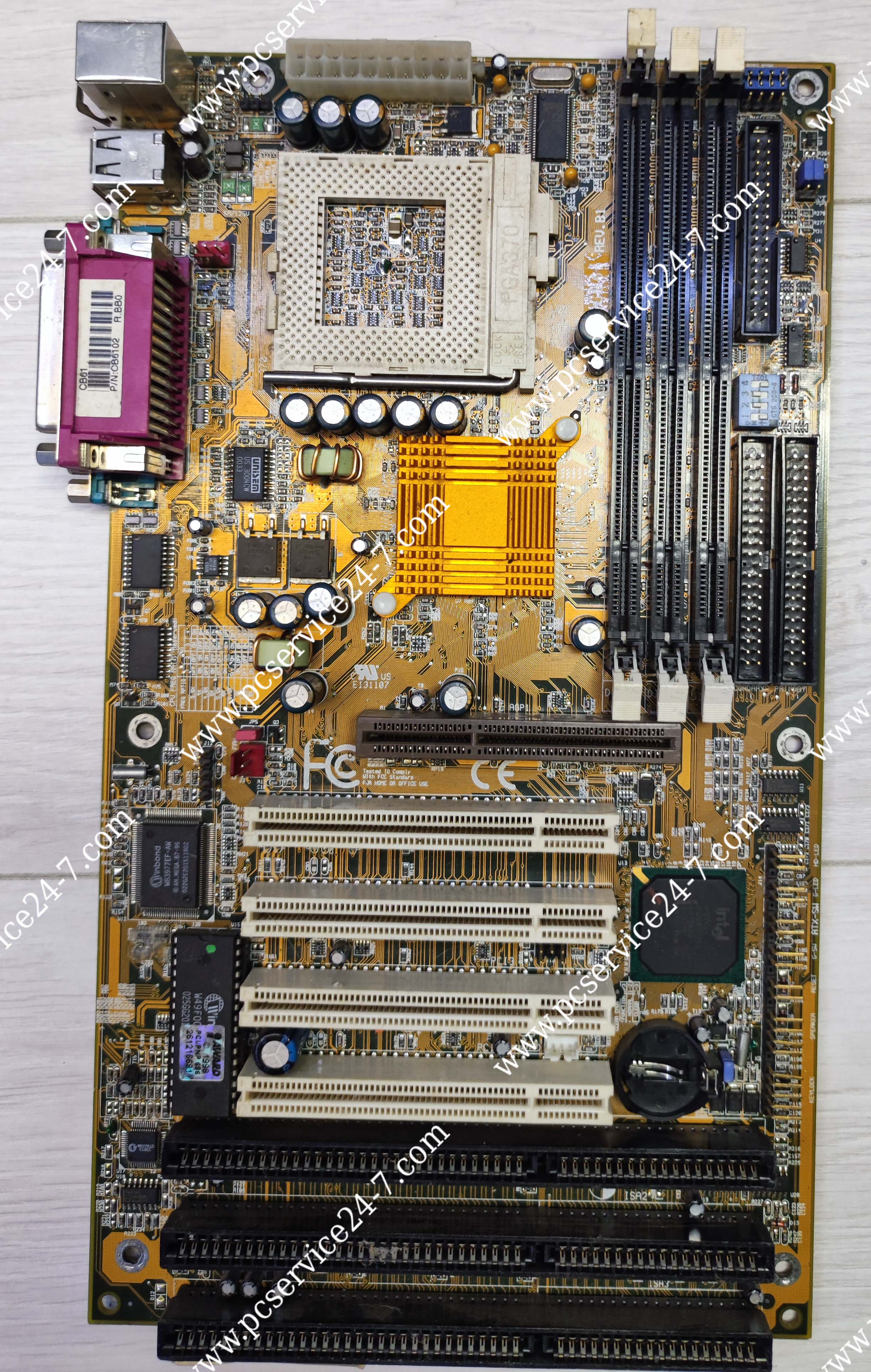
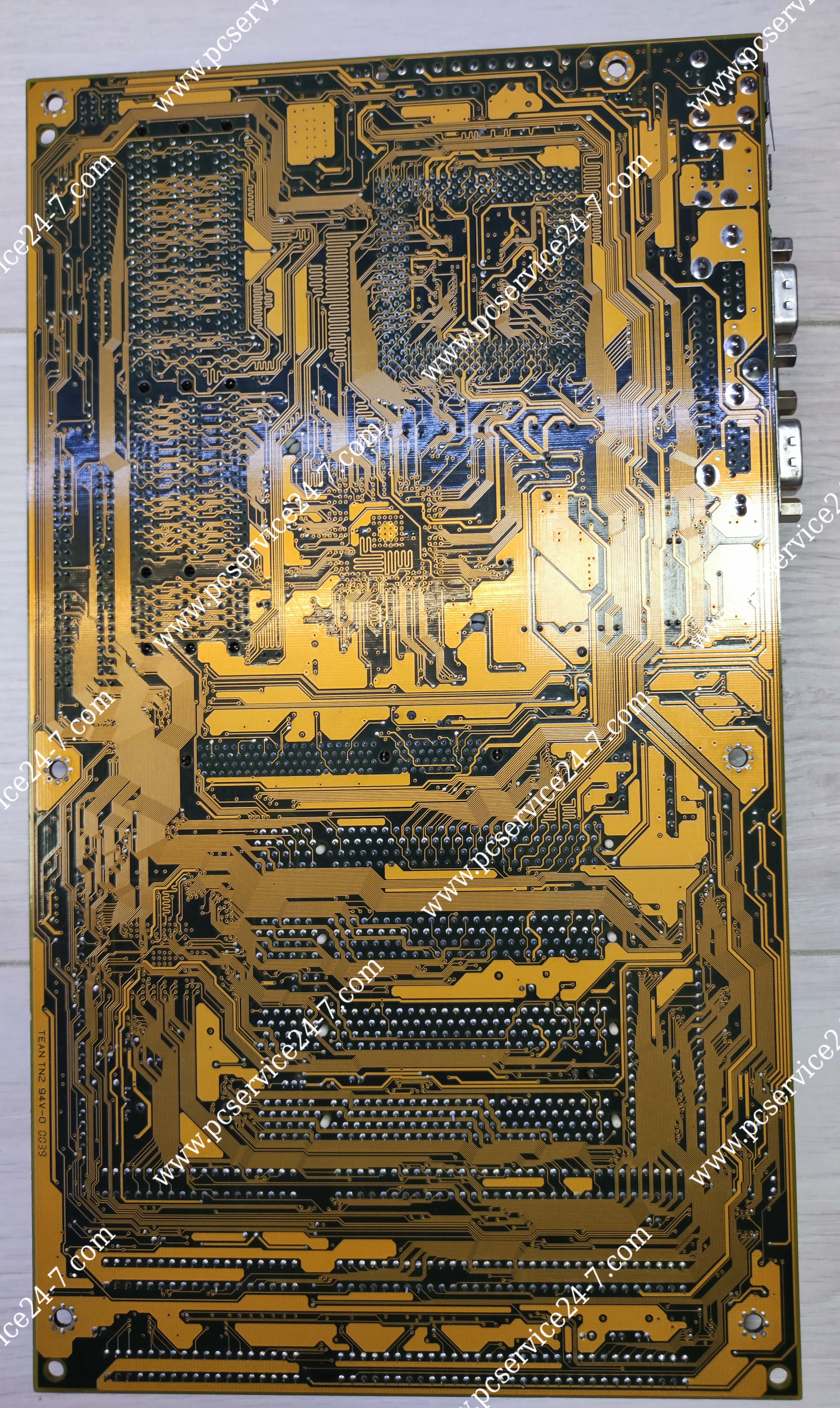

Revised Quick Specs (Socket 370)
| Feature | Specification |
| CPU Socket | PGA 370 (Socket 370) |
| Supported CPUs | Intel Celeron (PPGA) / Pentium III (FC-PGA) |
| Chipset | Intel 440BX (82443BX North / 82371EB South) |
| Front Side Bus | 66 / 100 MHz (Some BIOS allow 112/133 MHz OC) |
| Memory | 3x 168-pin SDRAM DIMMs (Max 768MB PC100/PC133) |
| Expansion Slots | 1x AGP 2X, 4x PCI, 2x ISA |
| Onboard I/O | 2x IDE (UDMA 33), 1x Floppy, 2x Serial, 1x Parallel |
| Form Factor | ATX |