Deep Research & Description
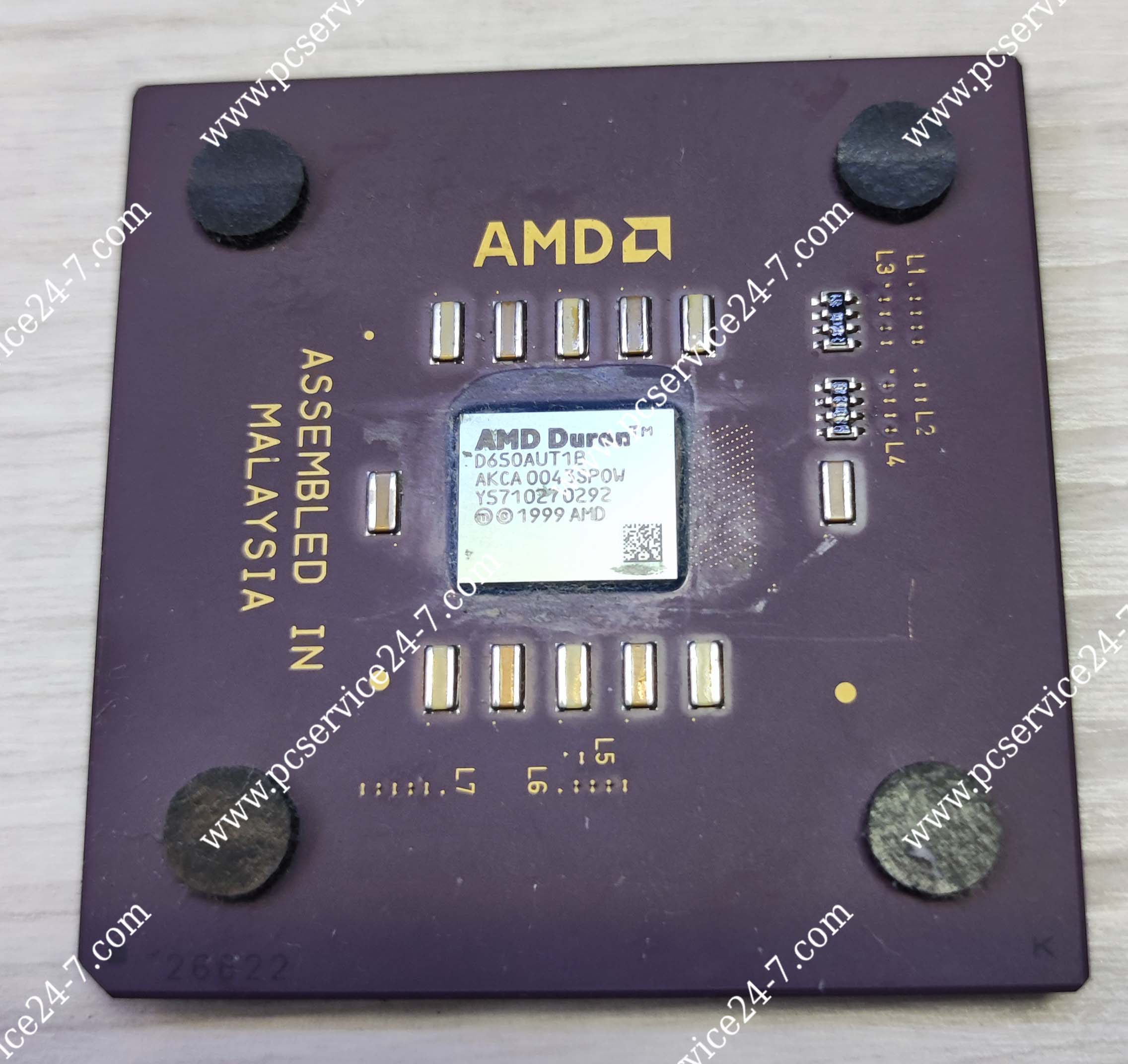
The AMD Duron 650 was far more than just a “stripped-down” processor. While Intel’s Celeron at the time was often crippled by a slow 66 MHz system bus, the Duron 650 inherited the 200 MHz Front Side Bus (EV6) from its bigger brother, the Athlon. This gave it a massive throughput advantage, making “budget” systems feel significantly more responsive and capable than their price suggested.
Architecturally, the “Spitfire” core was a masterpiece of efficiency. It utilized an Exclusive Cache Design. In traditional inclusive designs (like Intel’s), the L2 cache had to store a duplicate of everything in the L1 cache. AMD’s exclusive design meant the 64 KB L2 cache was additional to the massive 128 KB L1 cache, giving the Duron an effective 192 KB of high-speed cache. This made the Duron 650 nearly as fast as the much more expensive Athlon chips in many real-world tasks, a fact that made it a cult favorite among early PC enthusiasts and overclockers.
In the evolution of the PC, the Duron 650 marked the point where “value” computers stopped being slow. It provided the raw power needed for the transition to Windows 2000 and the early multimedia era, handling MP3 encoding and early 3D gaming with ease.
Era Context
-
The Competition: This chip was the “Celeron Killer,” often outperforming Intel’s Celeron 633 and 667 MHz parts in gaming and math-heavy applications.
-
Operating System: Optimized for Windows 98 SE and the newly released Windows Me / 2000.
-
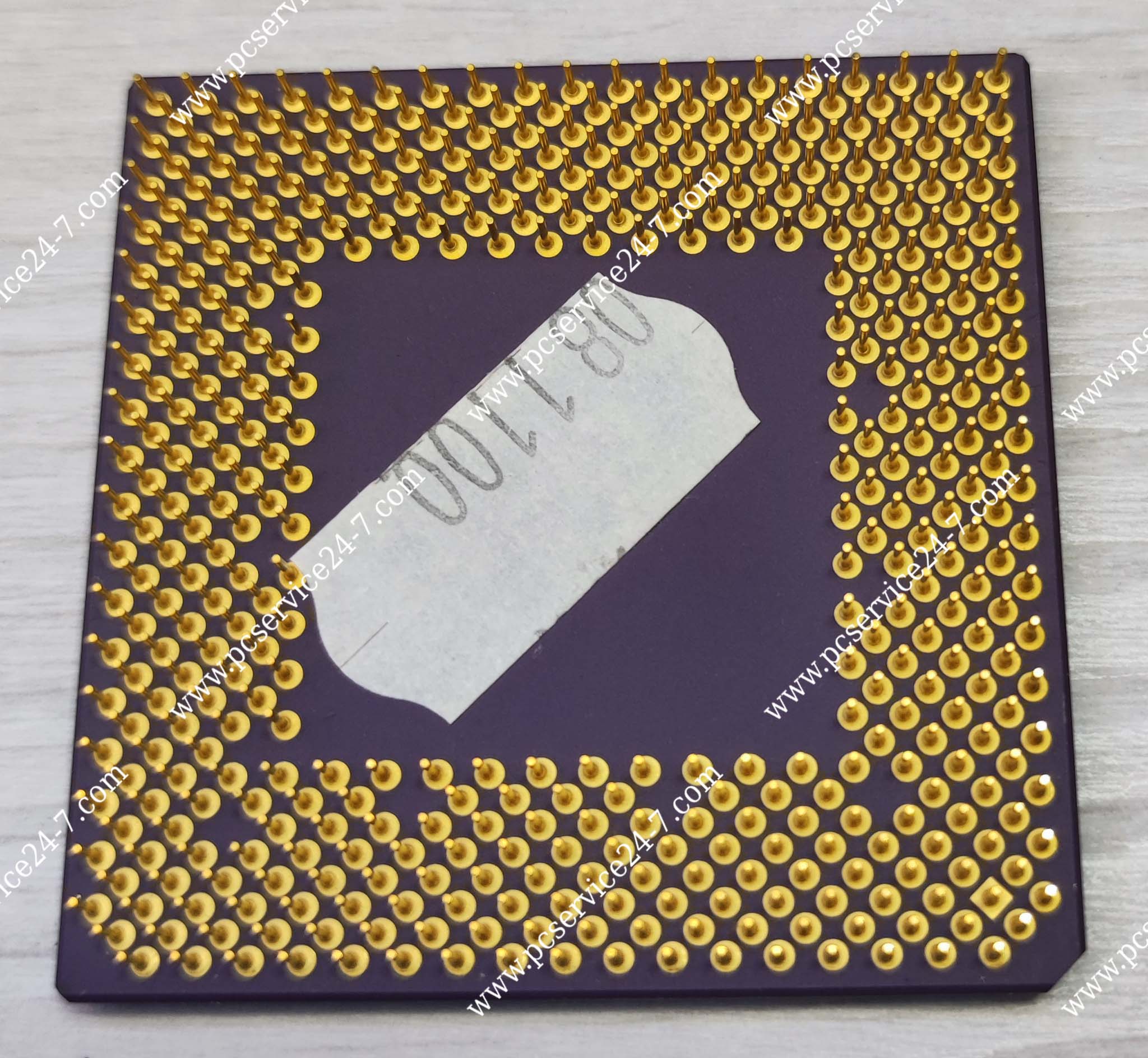
The Socket A Legacy: This processor used the legendary Socket 462, a platform that stayed relevant for over five years, allowing users to eventually upgrade all the way to the Athlon XP 3200+.
Component Gallery
Quick Specs
| Feature | Specification |
| Model | AMD Duron 650 |
| Part Number | D650AUT1B |
| Core Codename | Spitfire (Model 3) |
| Clock Speed | 650 MHz |
| Bus Speed | 200 MHz (DDR) |
| L1 Cache | 128 KB (64+64) |
| L2 Cache | 64 KB (On-Die, Full Speed) |
| Socket | Socket A (Socket 462) |
| Process | 180 nm (0.18 micron) |
| Voltage | 1.6 V |