Deep Research & Description
The Rage 128 Pro (based on the RAGE 5 architecture) took everything the original GL model did and turned it up. The primary innovation was a clock speed boost and the introduction of AGP 4x support, which doubled the bandwidth between the CPU and the graphics card. While the “Pro” didn’t reinvent the wheel, it polished it to a mirror finish, offering significantly better texture management and a more robust rendering engine.
Technically, the “Pro” was a media powerhouse. It introduced improved iDCT (Inverse Discrete Cosine Transform) hardware acceleration for DVD playback. In an era where a 450 MHz CPU could still struggle with high-bitrate video, the Rage 128 Pro could offload the work so effectively that the system barely broke a sweat. It also became a staple for creative professionals thanks to the “All-in-Wonder” variants, which added high-quality TV tuners and video capture capabilities directly onto the card.
In the evolution of the PC, the Rage 128 Pro represents the peak of ATI’s pre-Radeon engineering. It offered a sophisticated balance: it was faster than the Voodoo3 in 32-bit color rendering and more feature-rich than the TNT2 for video production. It was the card that proved ATI could compete not just on price, but on raw technical sophistication and multimedia versatility.
Era Context
-
The “32-Bit” Champion: While 3dfx was famously sticking to 16-bit color for speed, the Rage 128 Pro doubled down on 32-bit quality, making it the preferred choice for early digital photography and high-fidelity 3D rendering.
-
Operating System: The rock-solid choice for Windows 98 Second Edition and early Windows 2000 power users.
-
Gaming Legacy: It was a top-tier contender for Quake III Arena and Soldier of Fortune, particularly when running at higher resolutions where its 128-bit memory bus could really stretch its legs.
-
The Apple Legacy: Just like its predecessor, the “Pro” was a cornerstone of Apple’s lineup, powering the high-end Power Mac G4 “Graphite” models.
Component Gallery
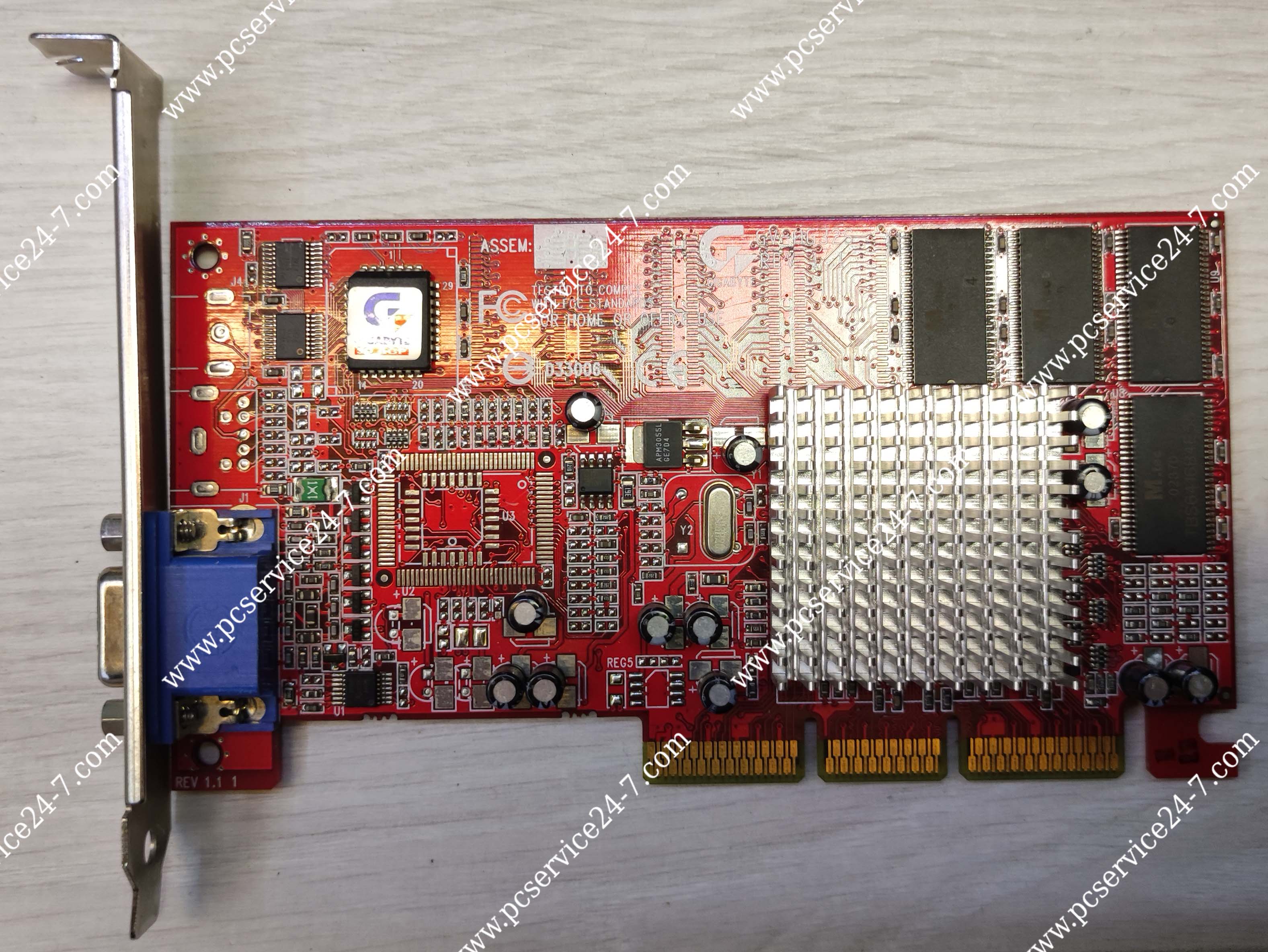
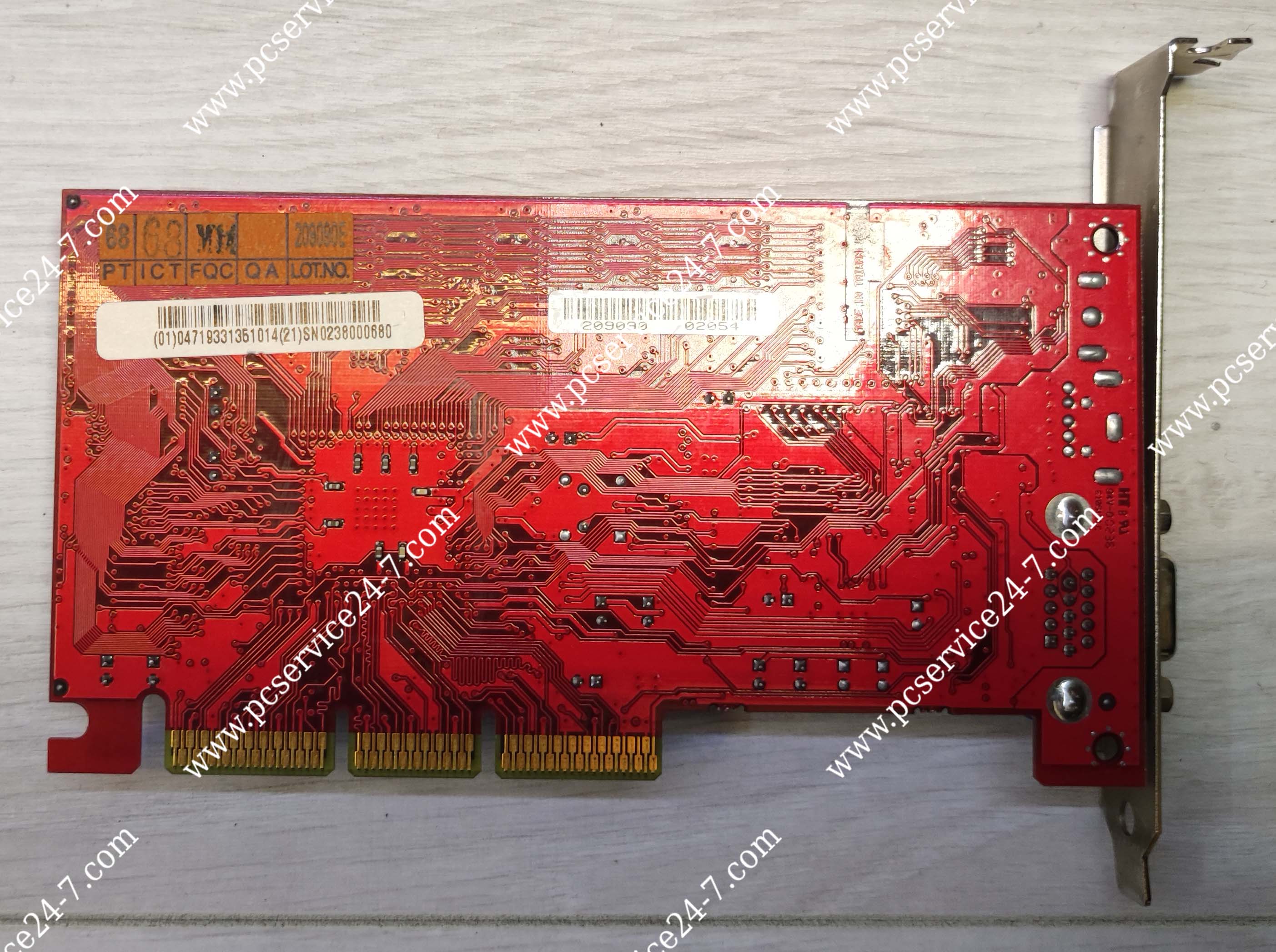
Quick Specs
| Feature | Specification |
| GPU Core | Rage 128 Pro (Rage 5) |
| Interface | AGP 4x / 2x |
| Memory | 16 MB or 32 MB SDRAM |
| Memory Bus | 128-bit |
| Core Clock | 125 MHz |
| Memory Clock | 143 MHz |
| DirectX Support | 6.0 |
| OpenGL Support | 1.2 |
| Process Node | 250 nm |