Deep Research & Description
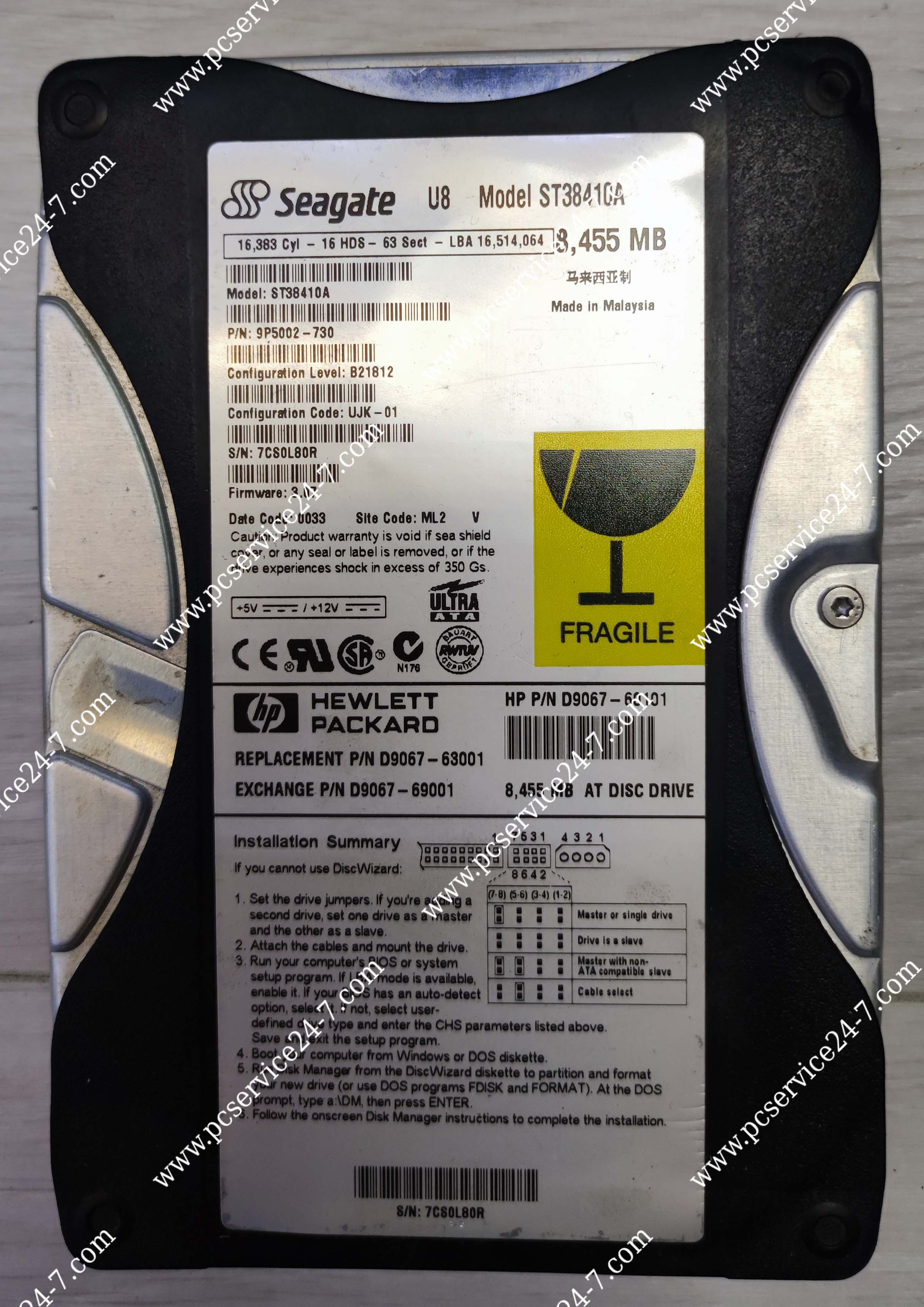
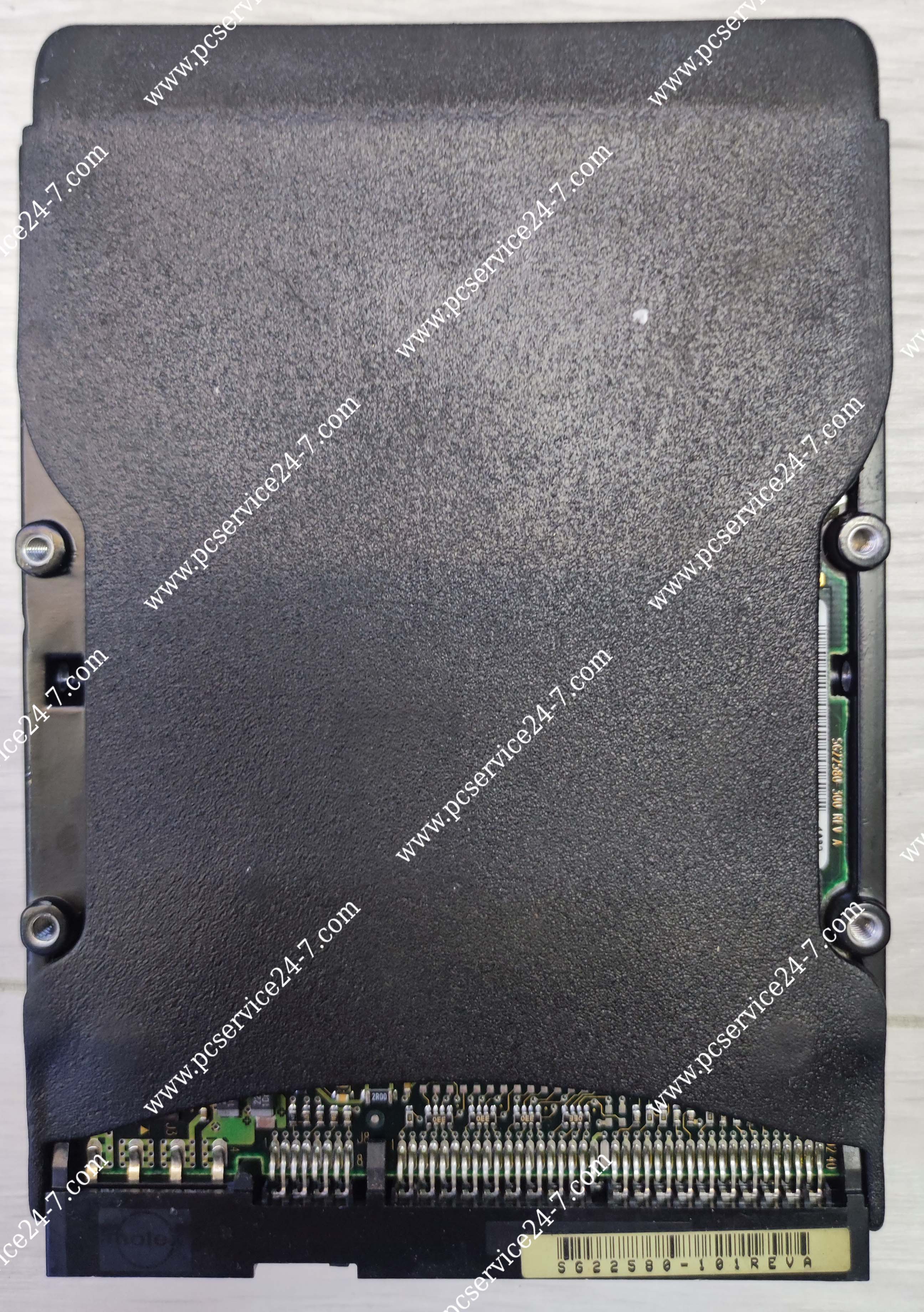
The U8 Series (Model ST38410A) was one of the first drives to fully embrace the SeaShield™ concept. While earlier drives left their fragile green circuit boards exposed to the elements (and static-charged fingers), the U8 came wrapped in a protective black rubberized “jacket.” This wasn’t just about protection; it was about acoustics. Seagate recognized that the high-pitched “idle whine” of hard drives was a major consumer complaint, and the U8’s design focused on dampening that noise to make it suitable for the “living room PC” boom.
Technically, the U8 was a high-performance value drive for its day. It utilized the Ultra ATA/66 interface, which required the then-new 80-conductor IDE cable to reach its full potential. With a 5400 RPM spindle speed and a 512 KB cache, it was significantly snappier than the 4500 RPM drives that had dominated the mid-90s.
Perhaps the most historically significant thing about the 8.42 GB capacity is its relationship with the 8.4 GB BIOS Barrier. For many users with older Pentium or 486 motherboards, this drive was the “final frontier.” Because it sat right on the edge of the older BIOS addressing limits, it often required a “Disk Overlay” like OnTrack or a BIOS update to be fully recognized. It was the drive that finally forced millions of users to upgrade their aging motherboards to support larger partitions.
Era Context
-
The BIOS Barrier: This drive is the “Final Boss” of 1990s motherboard limitations. Many 1995-1997 PCs simply couldn’t see a single byte past 8.4 GB, making this drive a major technical hurdle for upgraders.
-
Operating System: The perfect match for Windows 98 Second Edition. It was just large enough to hold the OS, a full office suite, and several “Full Install” games from the era.
-
The “Rugged” Identity: Seagate marketed the U8 as being able to withstand up to 300 Gs of non-operating shock, making it one of the toughest drives ever produced at that point.
-
The 80-Conductor Move: This drive helped popularize the use of the fine-wire ATA/66 cables, which are a classic visual indicator of a “modern” late-90s system build.
Component Gallery
Quick Specs
| Feature | Specification |
| Model | ST38410A |
| Family | U8 Series |
| Capacity | 8.42 GB |
| Interface | Ultra-ATA/66 (PATA) |
| Spindle Speed | 5400 RPM |
| Cache Buffer | 512 KB |
| Average Seek | 9.0 ms |
| Areal Density | 8.4 GB per Platter |
| Technology | GMR Heads / SeaShield™ |
| Release Year | Late 1999 |