Deep Research & Description
he WD800BB represents the era when Western Digital truly hit their stride in mechanical design. The “BB” suffix was the code every PC builder looked for, signifying a 7200 RPM spindle speed and an Ultra ATA/100 interface. In 2001, jumping from a 5400 RPM drive to the WD800BB felt like upgrading your CPU; Windows XP booted faster, games loaded in half the time, and the “stuttering” associated with virtual memory swapping almost disappeared.
Technically, this drive was built on Western Digital’s high-density platter architecture, usually cramming 40 GB per platter. This meant the 80 GB model was a lean, two-platter design. It featured Data Lifeguard™, a suite of hardware-embedded tools that automatically found, isolated, and repaired problem areas on the drive before they could cause data loss—a feature that earned Western Digital a loyal following for reliability during a time when other brands were struggling with “click of death” failures.
In the evolution of the PC, the WD800BB was the “sweet spot” of the Windows XP era. 80 GB was an enormous amount of space in 2001—enough for a massive library of early 2000s games, a burgeoning MP3 collection, and thousands of digital photos. It was the drive that made the PC feel like a true multimedia hub.
Era Context
-
The “BB” vs “JB” Rivalry: The WD800BB was the standard performance model. Its sibling, the WD800JB (the “Special Edition”), introduced an 8MB cache. This sparked a multi-year debate in computer magazines about whether that extra cache was worth the premium price.
-
Operating System: The definitive boot drive for Windows XP Professional. It was the perfect match for the “Luna” interface and the high-speed multitasking the OS was designed for.
-
The “7200 RPM Whine”: Unlike the silent Samsung or Seagate U-Series drives, the WD800BB had a purposeful, high-pitched mechanical whirr. For many, this was the “sound of speed” in an early 2000s gaming PC.
-
Gaming Legacy: This was the go-to drive for the launch of Battlefield 1942, Doom 3, and Half-Life 2. If you were building a serious gaming PC in 2002, this drive was likely on your list.
Component Gallery
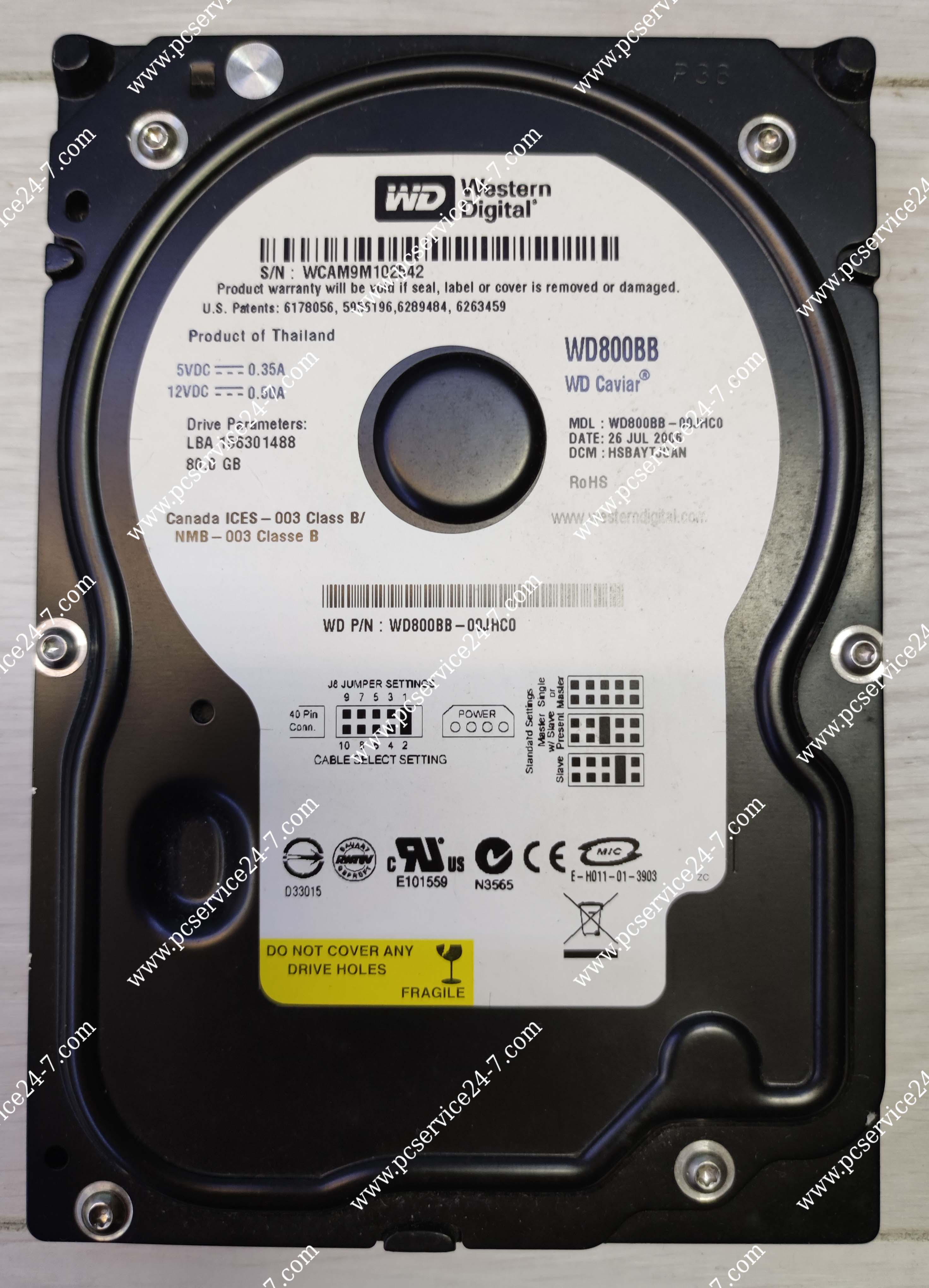
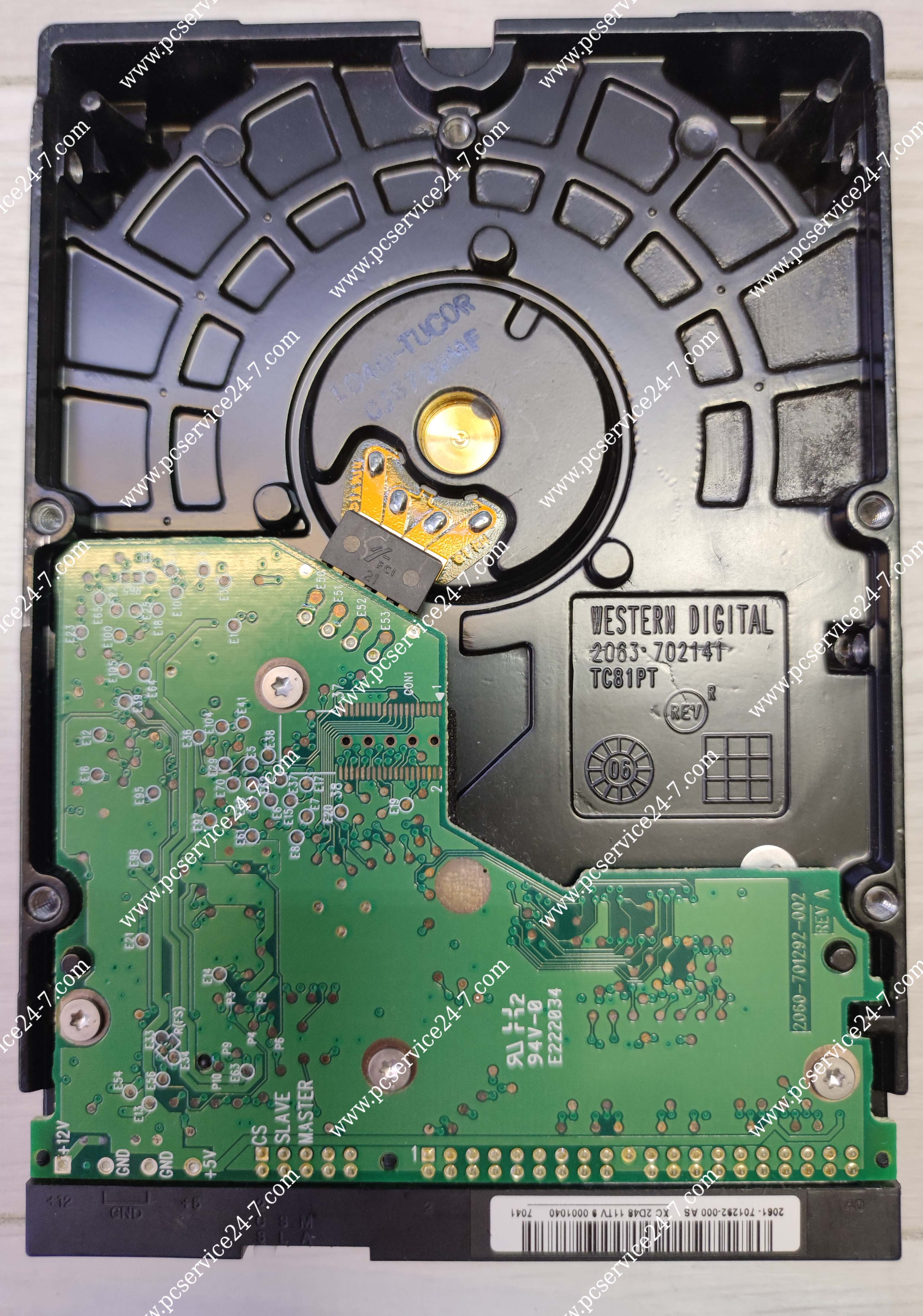
Quick Specs
| Feature | Specification |
| Model | WD800BB |
| Family | Caviar (Enhanced IDE) |
| Capacity | 80 GB |
| Interface | Ultra ATA/100 (PATA) |
| Spindle Speed | 7200 RPM |
| Cache Buffer | 2 MB |
| Average Seek | 8.9 ms |
| Platters / Heads | 2 Platters / 4 Heads |
| Areal Density | 40 GB per Platter |
| Release Year | ~2001 |