Deep Research & Description
The Athlon XP 1800+ represents a massive shift in how the industry viewed speed. This was the chip that popularized the “Performance Rating” (PR) system. While the Athlon XP 1800+ physically ran at a clock speed of 1533 MHz (1.53 GHz), AMD argued that its superior architecture allowed it to perform as well as, or better than, an Intel Pentium 4 running at 1.8 GHz. This was the opening salvo in the “IPC vs. Megahertz” war that would define the next decade of computing.
Technically, the Palomino core introduced several critical upgrades over the older “Thunderbird” Athlons:
-
SSE Support: For the first time, AMD included Intel’s Streaming SIMD Extensions, making this chip significantly faster in modern multimedia, video encoding, and 3D games.
-
Hardware Prefetch: This allowed the CPU to “guess” what data it might need next and pull it into the cache before it was requested, reducing wait times.
-
Thermal Protection: The Palomino was the first AMD chip to include an internal thermal diode. This was a direct response to famous early-2000s videos of Athlon CPUs literally “catching fire” or smoking when a heatsink was removed.
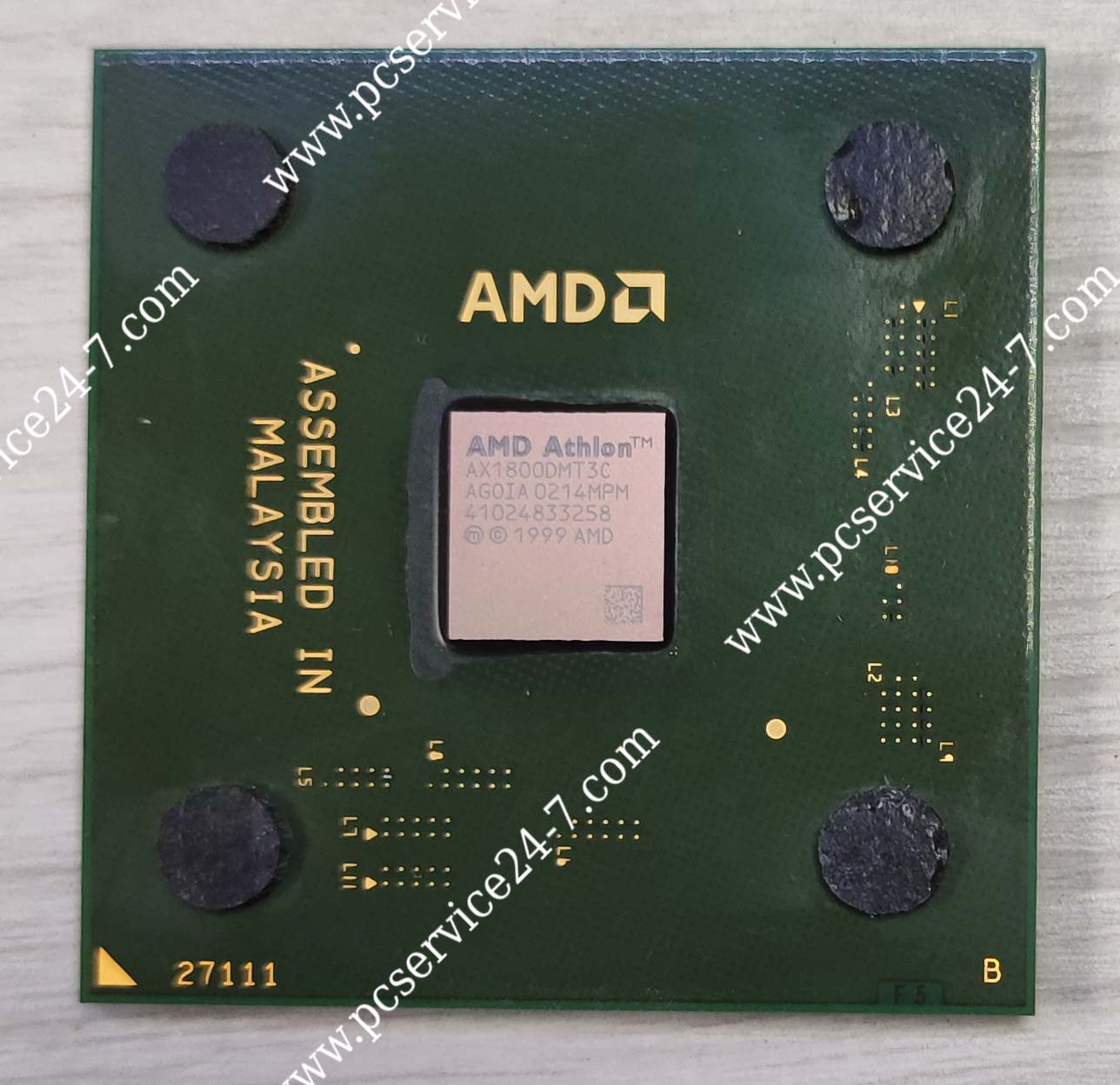
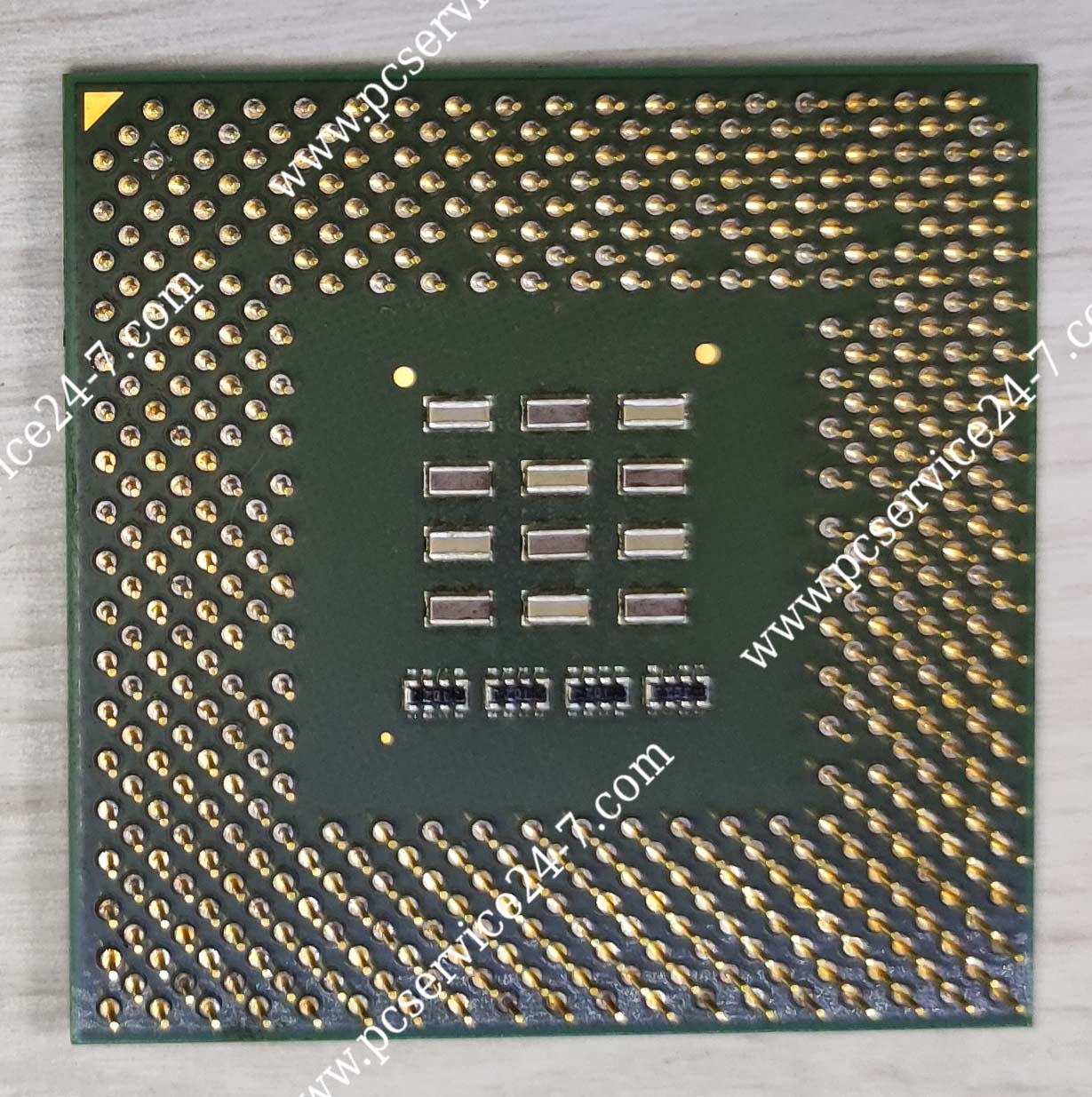
In the evolution of the PC, the 1800+ was the heart of the “Ultimate 2001 Gaming Rig.” It transitioned AMD from the old ceramic packages to the Organic Pin Grid Array (OPGA)—the brown or green “fiberglass” look that became iconic for the Socket A era.
Era Context
-
The “XP” Branding: Though the “XP” officially stood for “Extra Performance,” everyone knew it was designed to be the perfect partner for Windows XP.
-
The Multimedia Leap: With the addition of SSE, this chip was a favorite for early DVD ripping and the rise of the DivX/Xvid era.
-
The Cooling Challenge: Palomino chips were notoriously hot. This was the era where “Cooler Master” and “Thermaltake” became household names as users struggled to keep these 1.75V beasts under 60°C.
Component Gallery
Quick Specs
| Feature | Specification |
| Model | Athlon XP 1800+ |
| Part Number | AX1800DMT3C |
| Core Codename | Palomino (Model 6) |
| Actual Clock | 1533 MHz (1.53 GHz) |
| Bus Speed | 266 MHz (FSB) |
| L2 Cache | 256 KB (On-Die, Full Speed) |
| Socket | Socket A (Socket 462) |
| Voltage | 1.75 V |
| Max Temp | 90°C |
| Process | 180 nm (0.18 micron) |