Deep Research & Description
The Athlon 64 3000+ represented a radical departure from the architecture of the Athlon XP. While Intel was struggling with the high heat and long pipelines of the Pentium 4 “Prescott” cores, AMD introduced the K8 architecture. The 3000+ model, running at a modest 1.8 GHz, proved that efficiency and smart design could easily outperform higher-clocked competitors.
The two “Secret Weapons” of this chip were:
-
AMD64 Technology: It allowed the PC to move beyond the 4GB RAM limit of the 32-bit era. Even though 64-bit software was rare at the time, this chip made the hardware “future-proof” for the arrival of Windows XP x64 and eventually Windows Vista.
-
Integrated Memory Controller (IMC): For the first time in a mainstream CPU, the memory controller was moved from the motherboard’s Northbridge directly into the CPU die. This drastically reduced memory latency, making the Athlon 64 the undisputed king of 3D Gaming and low-latency tasks.
In the evolution of the PC, the Athlon 64 3000+ (especially on the Socket 939 platform) was the heart of the ultimate gaming rig. It provided the raw power needed for the “Big Three” games of 2004: Doom 3, Half-Life 2, and Far Cry. With a TDP of only 67W, it ran significantly cooler and quieter than the Pentium 4, leading to the popularization of AMD’s Cool’n’Quiet power-saving technology.
Era Context
-
The Architecture Shift: This was the end of the “Front Side Bus” (FSB) era for AMD, replaced by the high-speed HyperTransport link.
-
The GPU Transition: Systems built with this CPU saw the final days of AGP 8X and the birth of PCI Express (PCIe).
-
Legacy: The Athlon 64 3000+ is remembered as the chip that forced Intel to abandon its NetBurst architecture and go back to the drawing board to create the Core 2 Duo.
Component Gallery
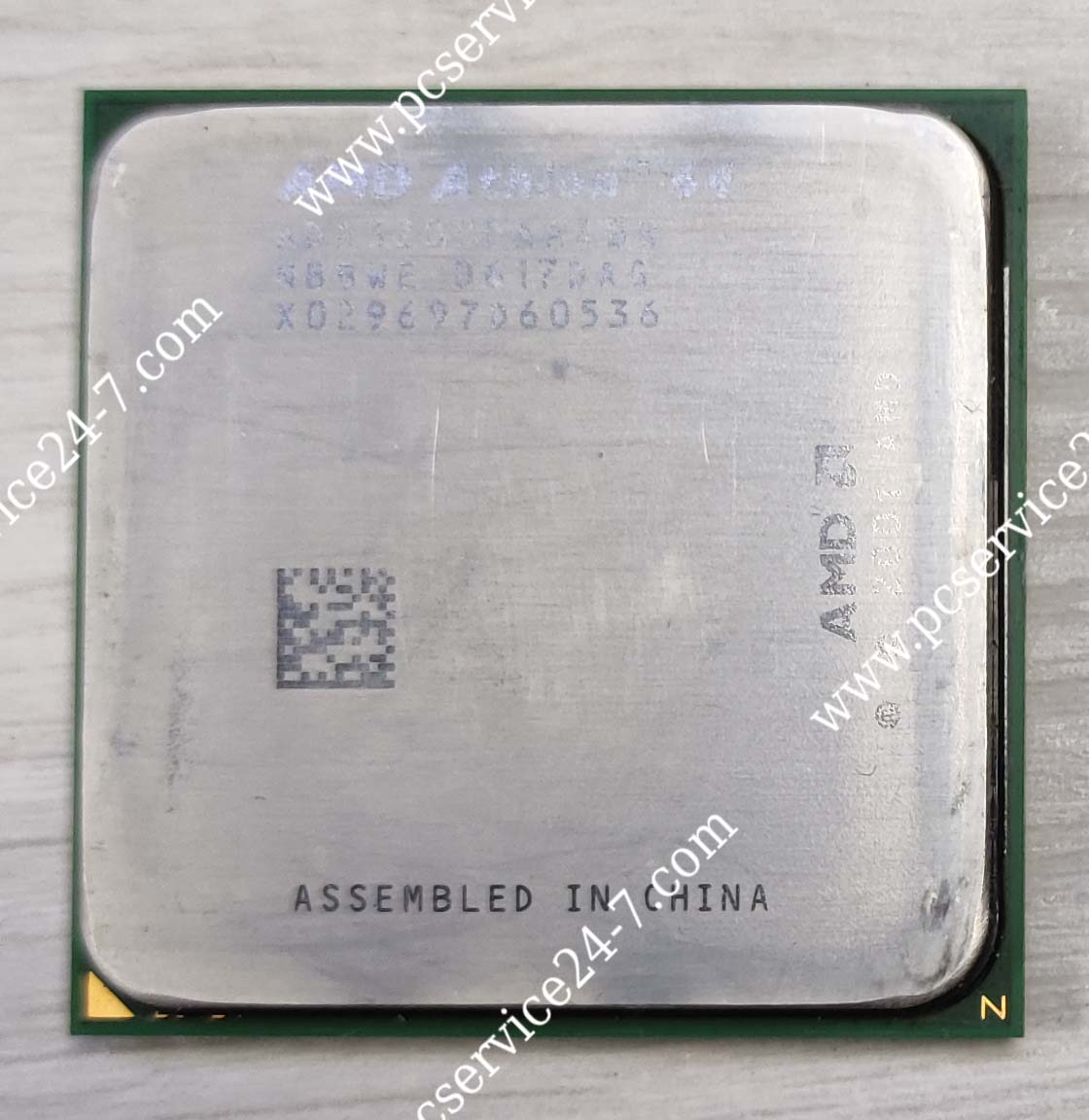
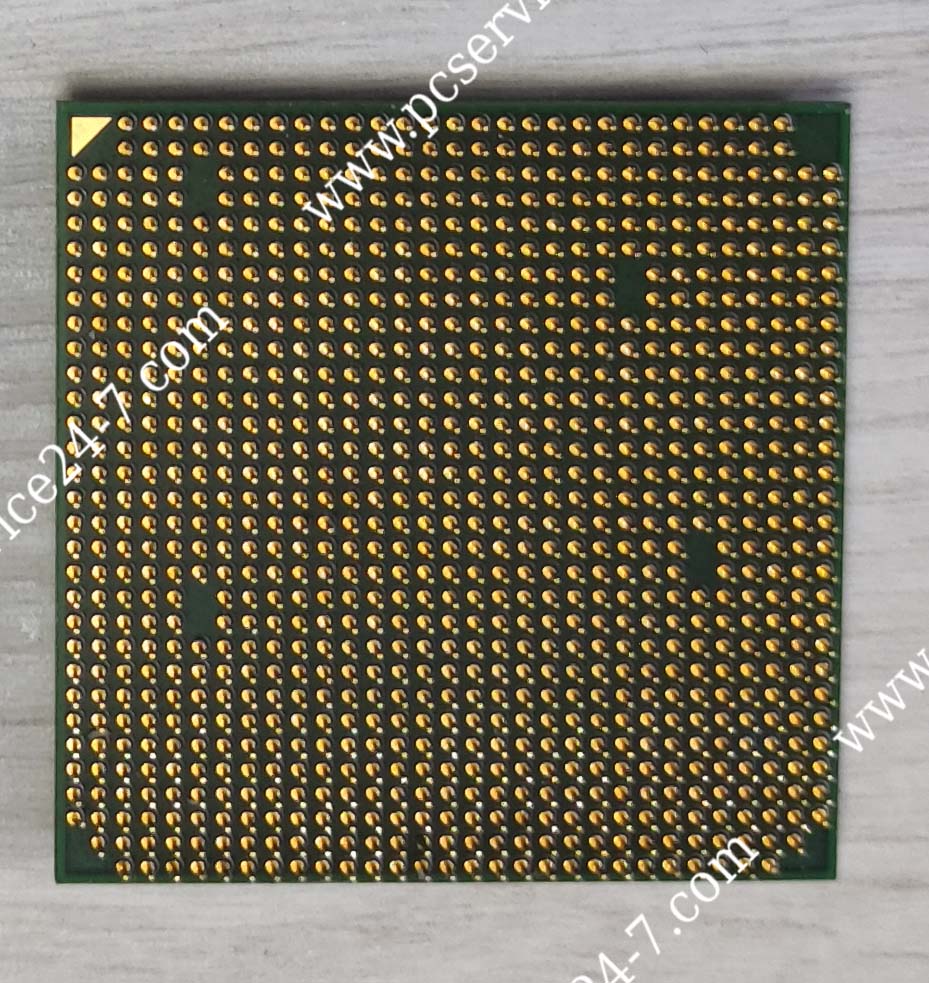
Quick Specs
| Feature | Specification |
| Model | Athlon 64 3000+ |
| Core Codename | Venice / Winchester (90nm) |
| Actual Clock | 1800 MHz (1.8 GHz) |
| L2 Cache | 512 KB |
| Bus Speed | 1000 MHz (HyperTransport) |
| Socket | Socket 939 (usually) |
| TDP (Power) | 67 W |
| Process | 90 nm |
| Instruction Sets | x86-64, SSE3 (Venice), NX Bit |