Deep Research & Description
The Celeron D 320 was built on the 90nm Prescott architecture. While the “Prescott” name is often associated with high heat and power consumption in the Pentium 4 line, it brought much-needed improvements to the Celeron family. The most vital upgrade was the doubling of the L2 Cache from a meager 128 KB to 256 KB, along with a bump in the Front Side Bus (FSB) from 400 MHz to 533 MHz. These changes finally gave the Celeron the “breathing room” it needed to handle more modern, branch-heavy applications.
Technically, the 320 runs at 2.4 GHz. It introduced the SSE3 instruction set to the budget tier, which helped significantly with video encoding and 3D rendering tasks that were becoming popular at the time. However, because it was based on the Prescott core, it inherited a longer 31-stage pipeline. This meant that clock-for-clock, it was sometimes slower than the older Northwood chips in simple tasks, but it could reach much higher raw frequencies to compensate.
In the evolution of the PC, the Celeron D 320 was the engine of the “Affordable XP” era. It was found in millions of budget-friendly Dell Dimension and HP Pavilion systems. It provided a stable, entry-level gateway into the world of Windows XP Service Pack 2, though it was notorious for requiring a heavy-duty heatsink to keep the “hot-headed” Prescott core from thermal throttling.
Era Context
-
The “D” Designation: Contrary to popular belief, the “D” didn’t stand for Dual-Core (as these were single-core chips); it was simply a branding distinction to signify the 533 MHz FSB and larger cache.
-
The Competition: This was Intel’s direct answer to the AMD Sempron 2400+. It was a fierce battle for the $70–$90 price bracket.
-
Operating System: The staple of Windows XP Home Edition systems, often paired with 256MB or 512MB of DDR-333/400 memory.
Component Gallery
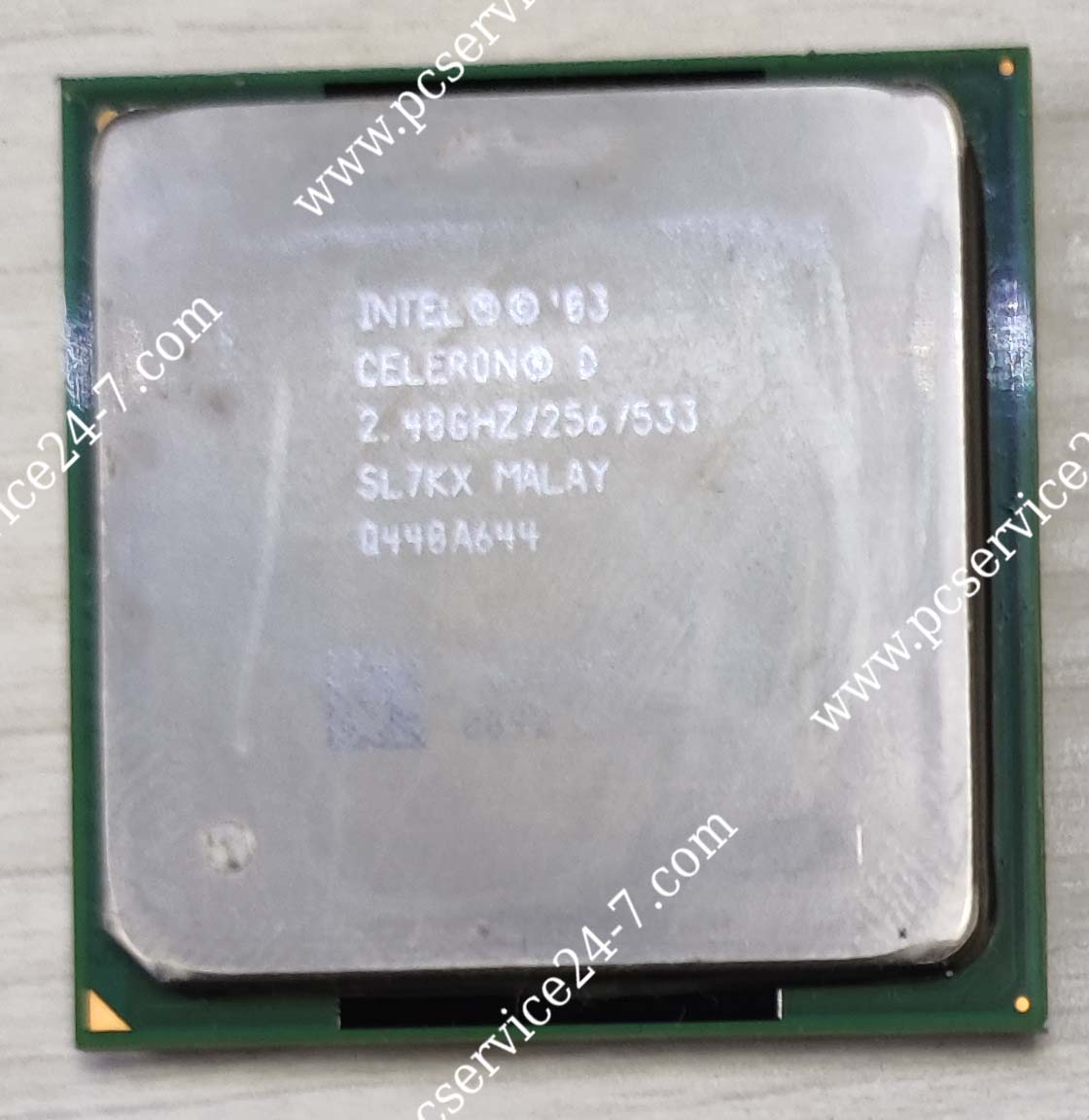
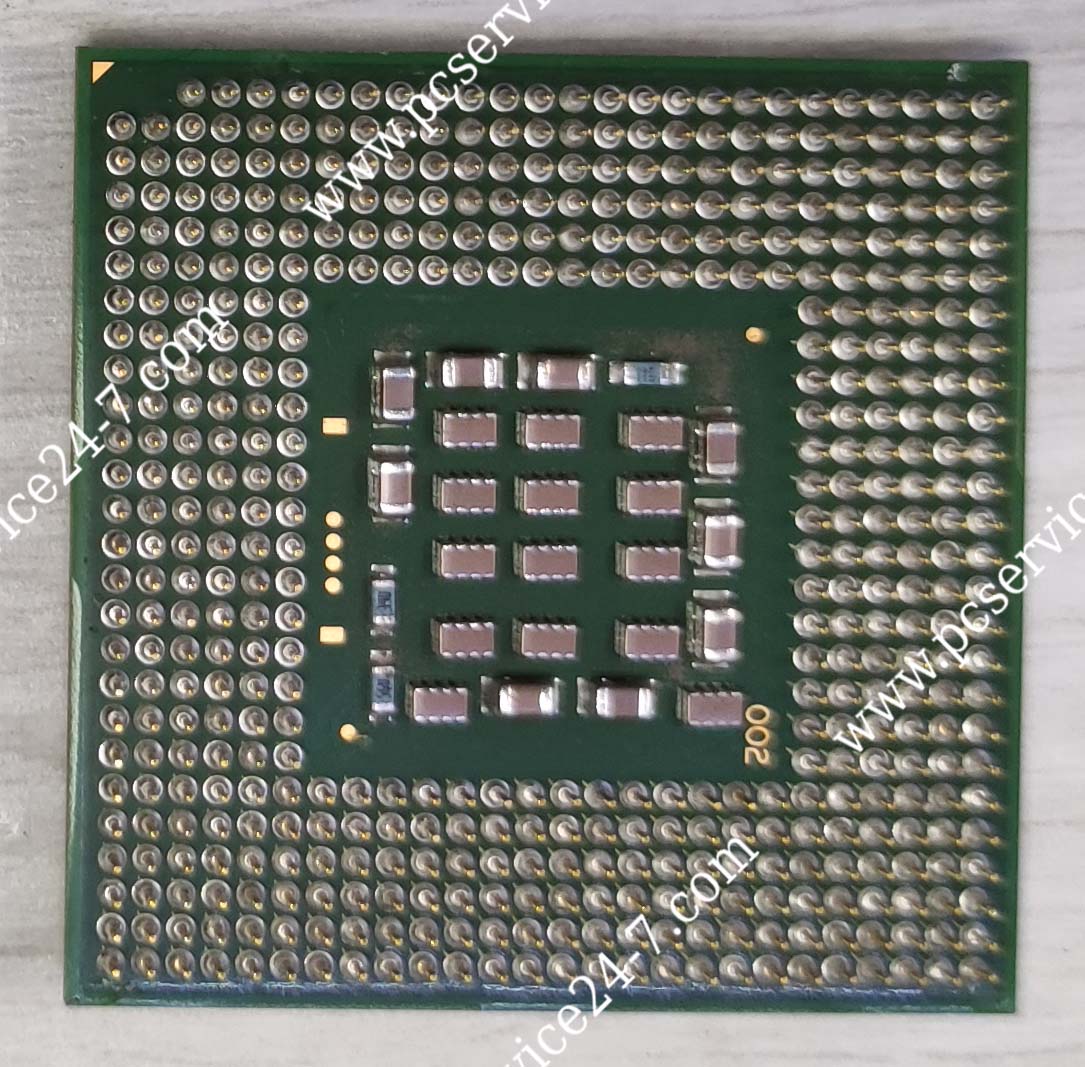
Quick Specs
| Feature | Specification |
| Model | Celeron D 320 |
| Part Number | RK80546RE056256 |
| Core Codename | Prescott-256 |
| Clock Speed | 2.4 GHz |
| Bus Speed | 533 MHz (FSB) |
| L2 Cache | 256 KB (On-Die, Full Speed) |
| Socket | Socket 478 |
| Manufacturing Process | 90 nm |
| TDP (Power) | 73 Watts |
| Instruction Sets | x86, MMX, SSE, SSE2, SSE3 |