Deep Research & Description
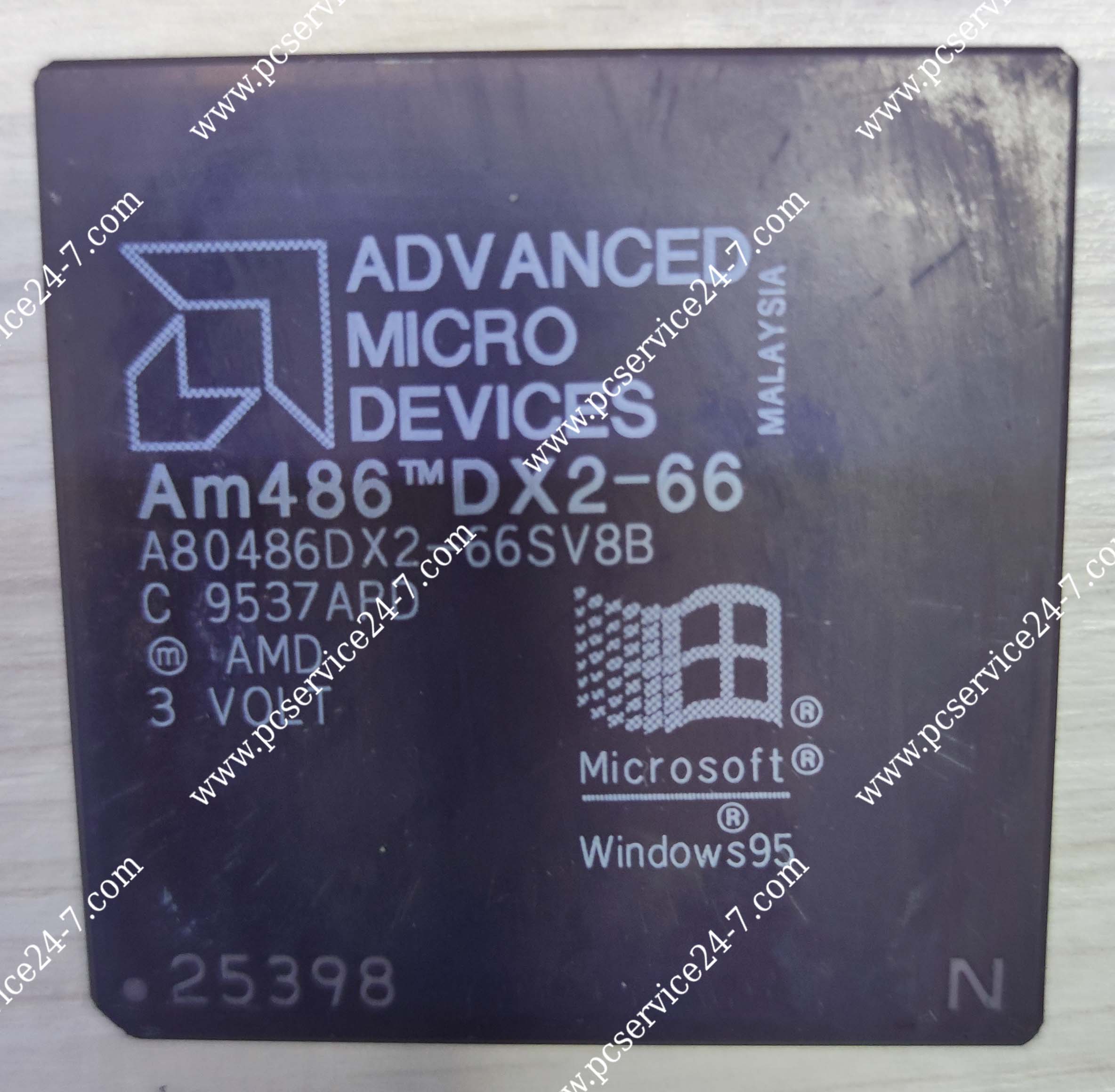
The Intel i486 DX2-66 (A80486DX2-66) is arguably one of the most iconic processors in the history of personal computing. It represents the “Golden Age” of the 486 era, serving as the bridge between early technical computing and the explosion of multimedia and gaming in the early-to-mid 1990s.
The “A80486DX2-66” was the definitive “performance king” for the average user between 1992 and 1994. Its primary innovation was Clock Doubling technology. Prior to this, CPUs ran at the same speed as the motherboard’s system bus. The DX2-66 changed the game by running its internal logic at 66 MHz while communicating with the motherboard at 33 MHz. This allowed for a massive leap in processing power without requiring expensive, high-speed motherboard redesigns.
In the evolution of the PC, this chip marked the transition from text-heavy DOS environments to the resource-heavy graphical user interface of Windows 3.1. It was the first processor that could truly “tame” the early 3D gaming revolution, providing the raw power necessary to run legendary titles like DOOM and Microsoft Flight Simulator 5.0 at smooth frame rates.
Because it included an integrated Floating Point Unit (FPU), it was also a workhorse for early CAD software and complex spreadsheets, effectively ending the era where users had to buy a separate “math co-processor” chip.
Era Context
-
Operating System: Windows 3.11 / MS-DOS 6.22
-
Storage Era: 200MB – 500MB Hard Drives
-
Graphics: VESA Local Bus (VLB) or early PCI cards
-
Legacy: This chip was so successful that it remained in active use in office environments well into the Pentium era, often regarded as the most “reliable” upgrade of its decade.
Component Gallery
Quick Specs
| Feature | Specification |
| Model | i486 DX2-66 |
| Part Number | A80486DX2-66 |
| Internal Clock | 66 MHz |
| Bus Speed | 33 MHz |
| L1 Cache | 8 KB (Unified) |
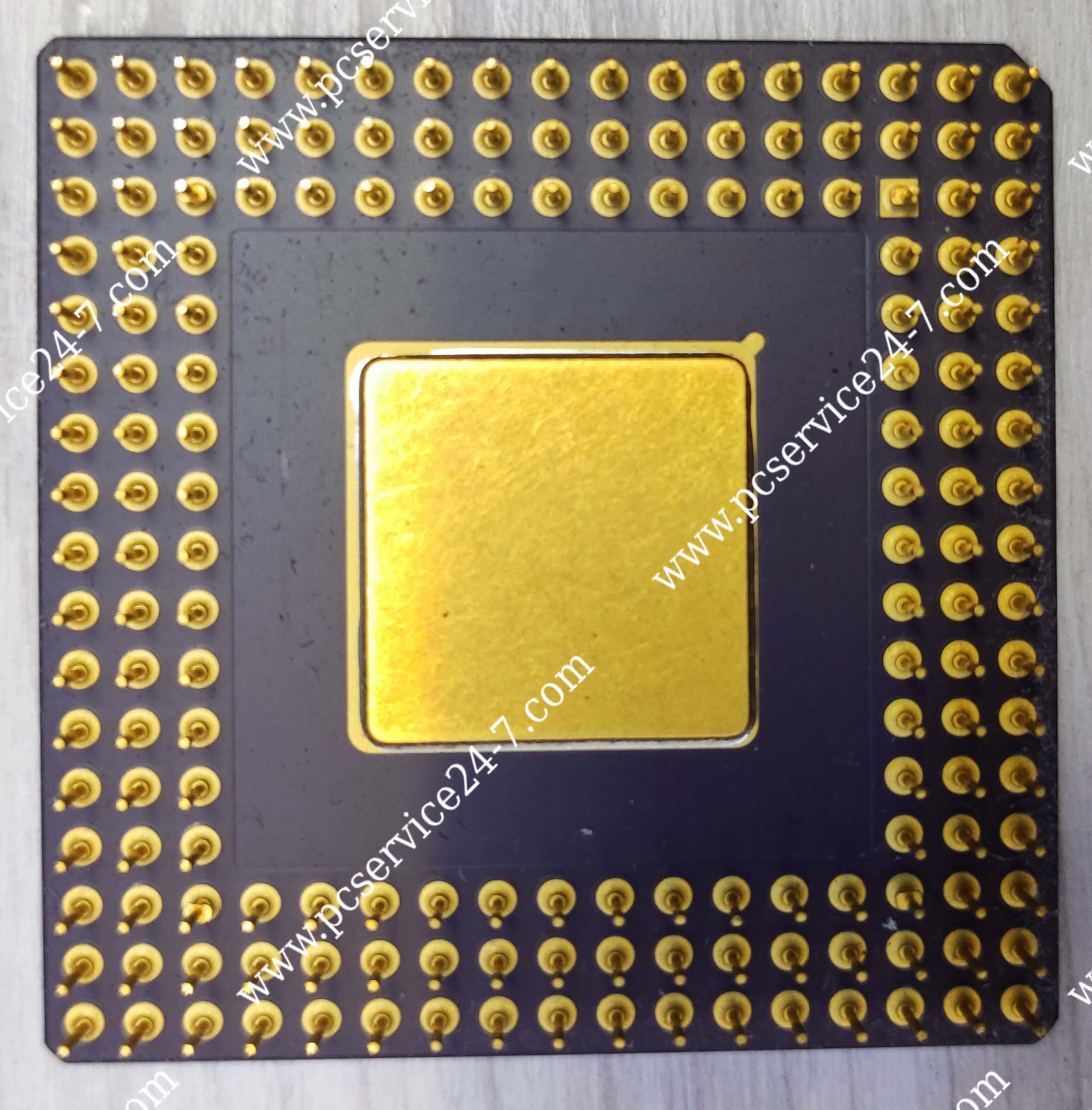
| Socket | Socket 1, 2, or 3 |
| Voltage | 5V (Standard) |
| Transistors | 1.2 Million |