Deep Research & Description
The Athlon 64 X2 5000+ based on the Brisbane core represents a major architectural refinement. By shrinking the manufacturing process from 90nm to 65nm, AMD was able to push the clock speed to 2.6 GHz while keeping the TDP at a manageable 65 Watts. This made it an “Energy Efficient” powerhouse, ideal for users who wanted a snappy Windows Vista experience without the heat and noise associated with Intel’s older Pentium D or the higher-end Athlon “Windsor” parts.
A fascinating technical “quirk” of the Brisbane 5000+ is its Memory Divider. Because the integrated memory controller in the K8 architecture derived the RAM speed directly from the CPU clock using a whole-number divider, the 2.6 GHz clock (2600 MHz) resulted in an unusual situation for DDR2-800 users. To stay within spec, the system used a divider of 7 ($2600 / 7 = 371 \text{ MHz}$), meaning your “800 MHz” RAM actually ran at 742 MHz. While this was a slight performance hit on paper, the low latency of the on-die controller more than made up for it in real-world tasks.
In the evolution of the PC, the X2 5000+ was a warrior of the mid-to-late 2000s. It was the heart of many “Home Theater PCs” (HTPCs) and mid-range gaming rigs. It provided enough threaded horsepower to handle the legendary 2007 Gaming Revolution, running titles like BioShock, The Orange Box, and even the original Crysis (when paired with a strong GPU like the GeForce 8800 GT).
Era Context
-
The Process War: This was AMD’s first major 65nm desktop part, aimed at countering the massive success of the Intel Core 2 Duo E6400 and E6600.
-
Operating System: The “Best of Both Worlds” chip—it provided a perfect, stable experience for Windows XP SP3 but had the 64-bit dual-core muscle to handle Windows Vista‘s Aero interface.
-
Overclocking: The Brisbane core was famous for being “cool and quiet,” often allowing enthusiasts to push it toward 3.0 GHz with basic air cooling.
Component Gallery
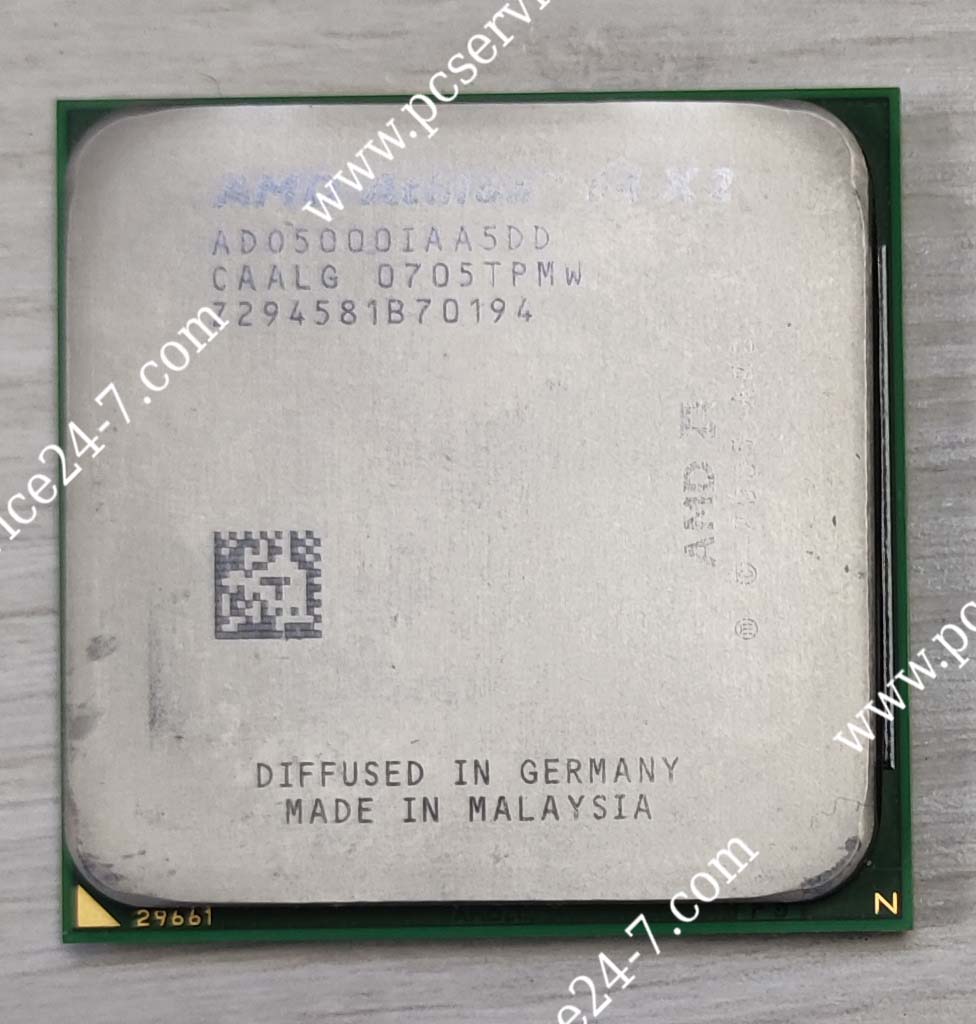
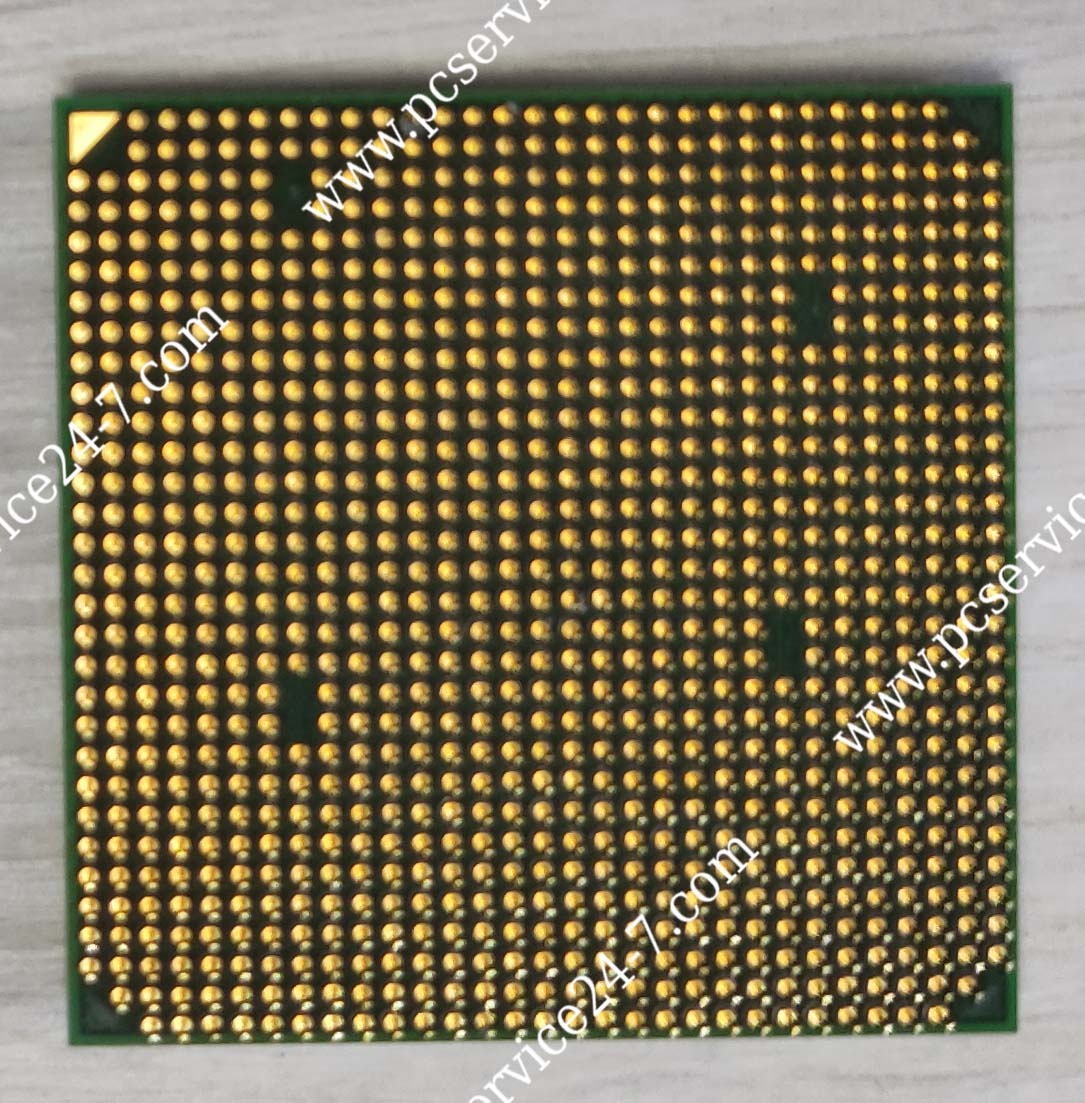
Quick Specs
| Feature | Specification |
| Model | Athlon 64 X2 5000+ |
| Core Codename | Brisbane (Model 10b) |
| Clock Speed | 2600 MHz (2.6 GHz) |
| Cores | 2 (Dual-Core) |
| L2 Cache | 1 MB (2 x 512 KB) |
| Socket | Socket AM2 |
| TDP (Power) | 65 Watts |
| Process | 65 nm |
| Multiplier | 13x |
| Voltage | 1.30V – 1.35V |