Deep Research & Description
The Athlon XP 1900+ is built on the Palomino core, which was AMD’s first major architectural refresh of the original Athlon “Thunderbird” design. At its physical core, this chip runs at 1600 MHz (1.6 GHz), but thanks to its efficient 9-stage pipeline, it could process more instructions per clock (IPC) than the much higher-clocked Pentium 4 of the same era.
This chip was a favorite among hardware reviewers in 2001 because it highlighted the absurdity of the “Megahertz Myth.” At 1.6 GHz, the 1900+ frequently outperformed Intel’s 1.9 GHz and even some 2.0 GHz parts in office productivity and 3D gaming. It was the era where “real-world performance” became a marketing slogan, and the 1900+ was the evidence AMD used to prove their point.
Like other Palomino chips, the 1900+ featured the SSE (Streaming SIMD Extensions) instruction set, which allowed it to keep pace with modern software optimized for Intel’s architecture. However, being a 0.18-micron chip running at 1.75V, it was a “hot” processor. It pushed the limits of air-cooling technology at the time, often requiring massive copper-base heatsinks and high-RPM fans that earned the nickname “Delta Screamer” due to their loud noise.
Era Context
-
The “Sweet Spot”: In early 2002, the 1900+ was considered the “high-end” sweet spot before the much more expensive 2100+ arrived.
-
Operating System: This was the definitive Windows XP Home/Pro era. It was one of the first chips to fully take advantage of the OS’s improved memory management and stability.
-
The Motherboard War: This chip saw the rise of the VIA KT266A and Nvidia nForce chipsets, which brought high-speed DDR memory to the masses, finally killing off the older, slower SDRAM.
Component Gallery
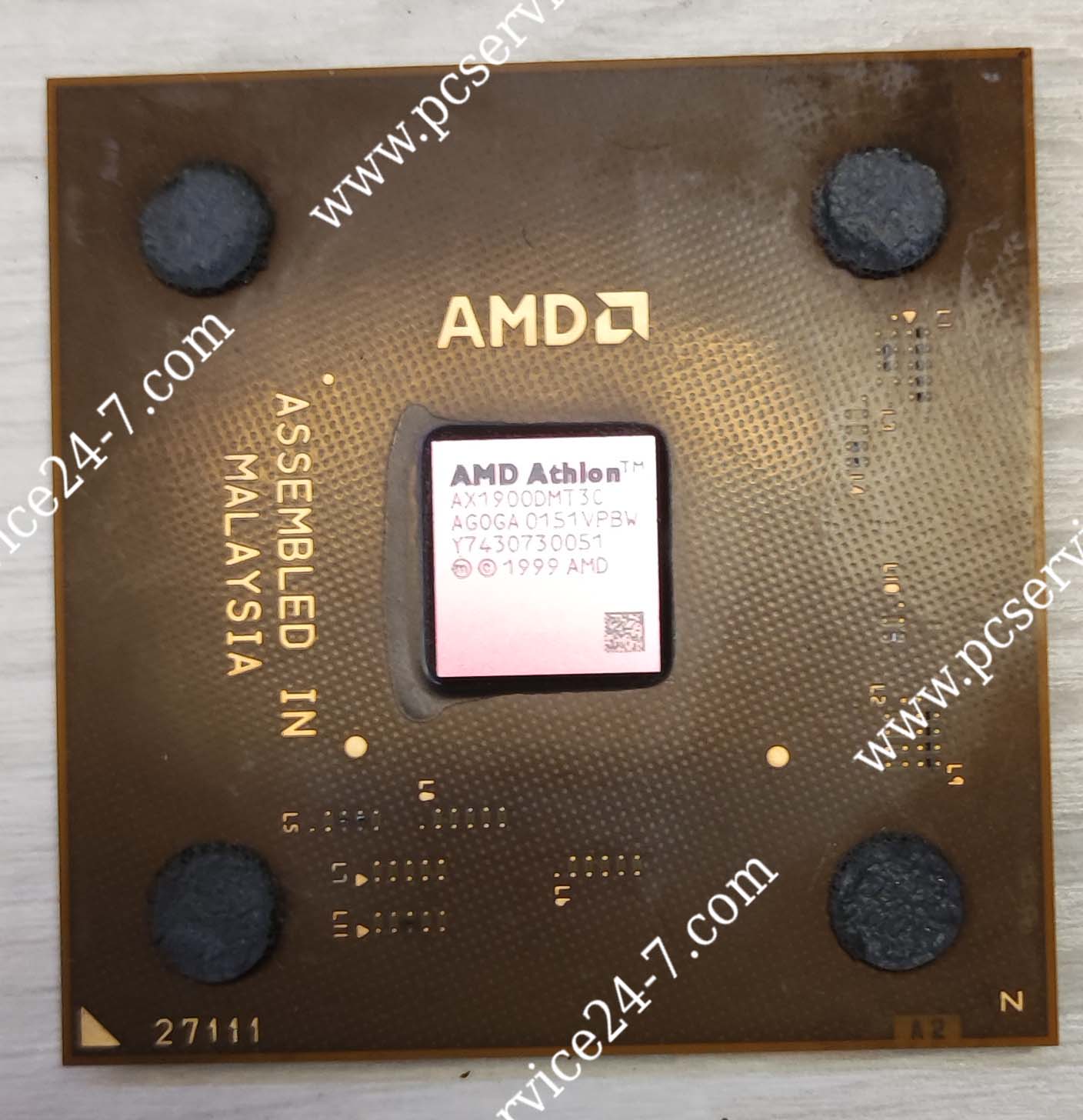
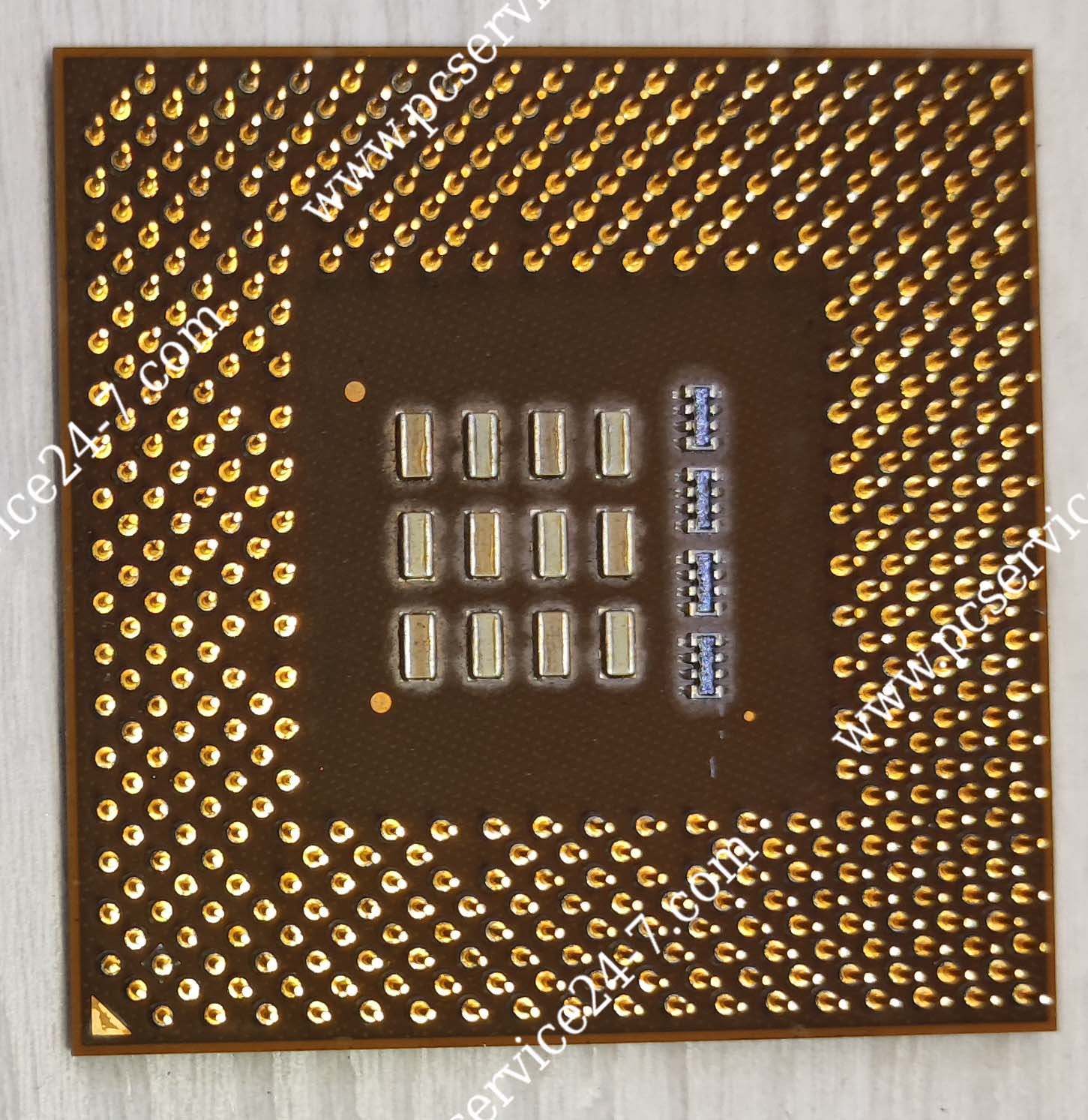
Quick Specs
| Feature | Specification |
| Model | Athlon XP 1900+ |
| Part Number | AX1900DMT3C |
| Core Codename | Palomino (Model 6) |
| Actual Clock | 1600 MHz (1.6 GHz) |
| Bus Speed | 266 MHz (FSB) |
| L2 Cache | 256 KB (On-Die, Full Speed) |
| Socket | Socket A (Socket 462) |
| Voltage | 1.75 V |
| Max Temp | 90°C |
| Process | 180 nm |