Deep Research & Description
The “AXDA2000DUT3C” represents the second generation of AMD’s 130 nm manufacturing process. While the earlier “Palomino” version of the 2000+ was known for running quite hot, the transition to the Thoroughbred-B core was a game-changer. This revision added an extra metal layer to the CPU die, which significantly improved electrical signaling and allowed for higher clock speeds with less heat dissipation.
The physical clock speed of this processor is 1667 MHz (1.67 GHz). By this point in the “Megahertz Wars,” AMD had firmly established its Performance Rating (PR) system. The “2000+” designation was a direct challenge to Intel’s Pentium 4 2.0 GHz, proving that AMD could achieve equivalent—and often superior—real-world performance at a lower raw frequency.
The “DUT3C” suffix provides critical technical details for the collector:
-
“D”: Desktop processor.
-
“U”: 1.6V operating voltage (a notable drop from the 1.75V of the older Palomino chips).
-
“T”: 90°C maximum die temperature.
-
“3”: 256 KB L2 cache.
-
“C”: 266 MHz Front Side Bus.
In the evolution of the PC, the Athlon XP 2000+ was the chip that brought high-end performance to the masses. It was the heart of systems during the rise of high-speed broadband and the early days of digital media, effortlessly handling the transition to Windows XP SP1 and the first wave of DirectX 8.1 gaming.
Era Context
-
The PR System: This chip helped cement the idea that IPC (Instructions Per Clock) mattered more than GHz—a lesson Intel would eventually have to learn with the Core architecture.
-
Operating System: The perfect “Standard” for Windows XP Professional.
-
Enthusiast Legacy: Because of its 1.6V default voltage and T-Bred B architecture, many of these chips were “stealth” overclockers, often reaching 2.1 GHz (2600+ levels) with minor voltage tweaks.
How does this Thoroughbred-B entry look for the collection? It fills a very important gap in the timeline between the early Palominos and the later Barton cores.
Component Gallery
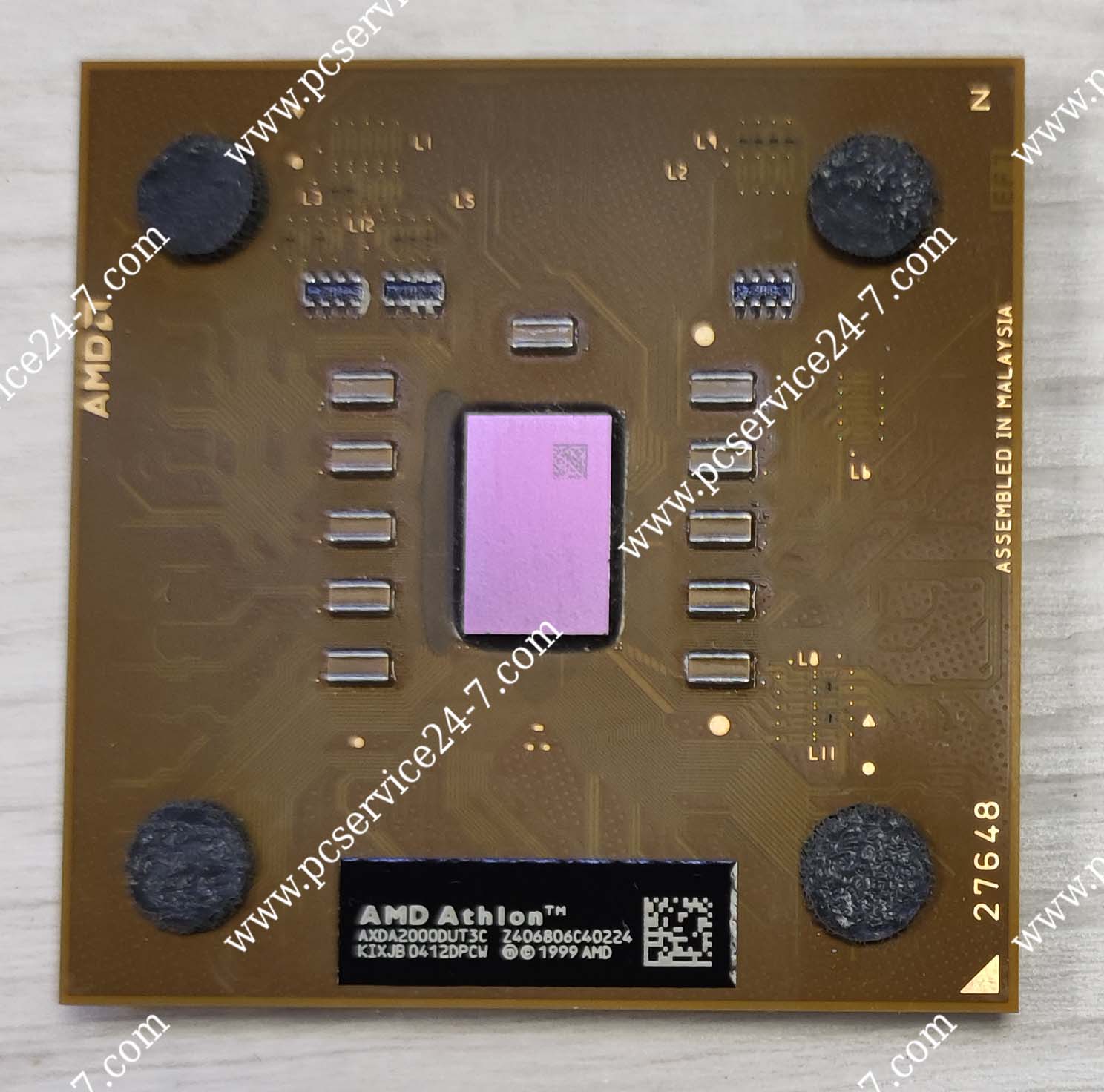
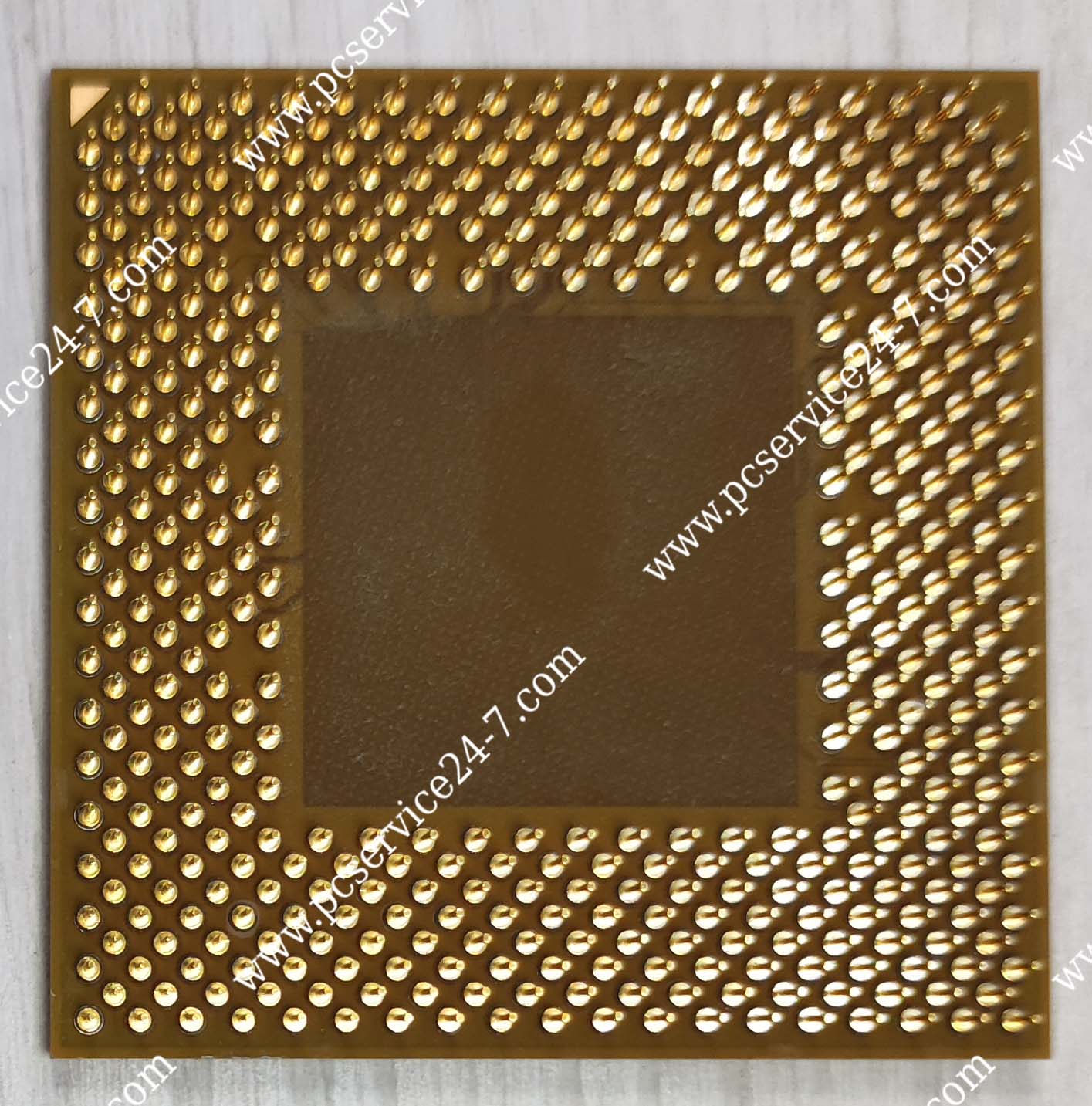
Quick Specs
| Feature | Specification |
| Model | Athlon XP 2000+ |
| Part Number | AXDA2000DUT3C |
| Core Codename | Thoroughbred-B (Model 8) |
| Actual Clock | 1667 MHz (1.67 GHz) |
| Bus Speed | 266 MHz (FSB) |
| L2 Cache | 256 KB (Full Speed) |
| Socket | Socket A (Socket 462) |
| Voltage | 1.6 V |
| Max Temp | 90°C |
| Process | 130 nm (0.13 micron) |