Deep Research & Description
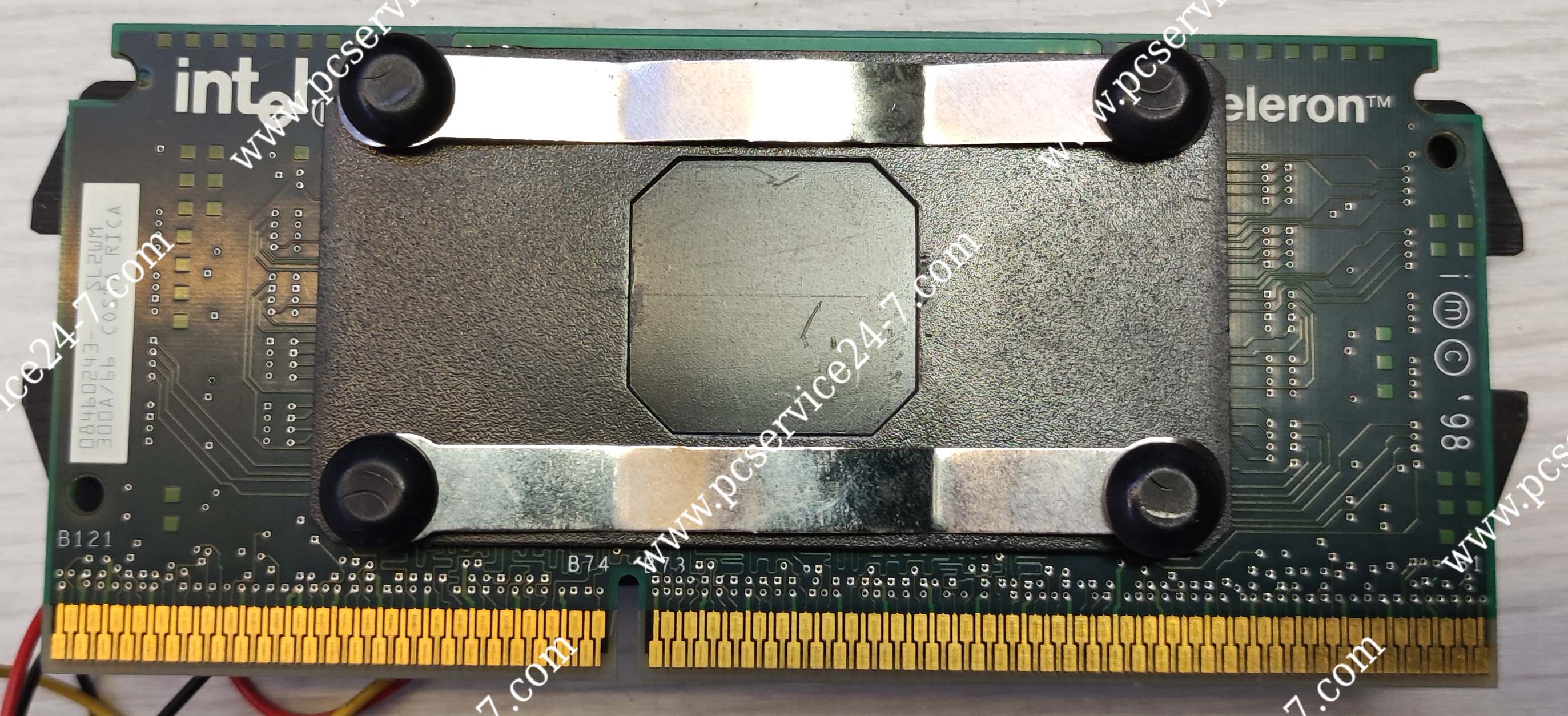
The Celeron 300A represents a massive technological pivot for Intel. Its predecessor, the original Celeron 300 (Covington core), lacked any L2 cache, resulting in abysmal performance that made it the laughingstock of the tech world. Intel’s fix was the Mendocino core. They integrated 128 KB of L2 cache directly onto the CPU die, running at the full processor speed.
While 128 KB sounded small compared to the Pentium II’s 512 KB, the Pentium II’s cache ran at only half the CPU speed. Because the Celeron 300A’s cache ran at full speed, it frequently outperformed much more expensive Pentium II processors in office tasks and gaming.
However, its place in PC evolution is defined by the “450 MHz Miracle.” The 300A was designed to run at a 66 MHz bus speed ($66 \times 4.5 = 300$). But because it was so well-engineered, almost every 300A could be “forced” to run on a 100 MHz bus ($100 \times 4.5 = 450 \text{ MHz}$) with a simple motherboard setting. This provided a 50% performance increase for free, giving budget users the power of a high-end workstation. It was the chip that proved “Value” didn’t have to mean “Slow.”
Era Context
-
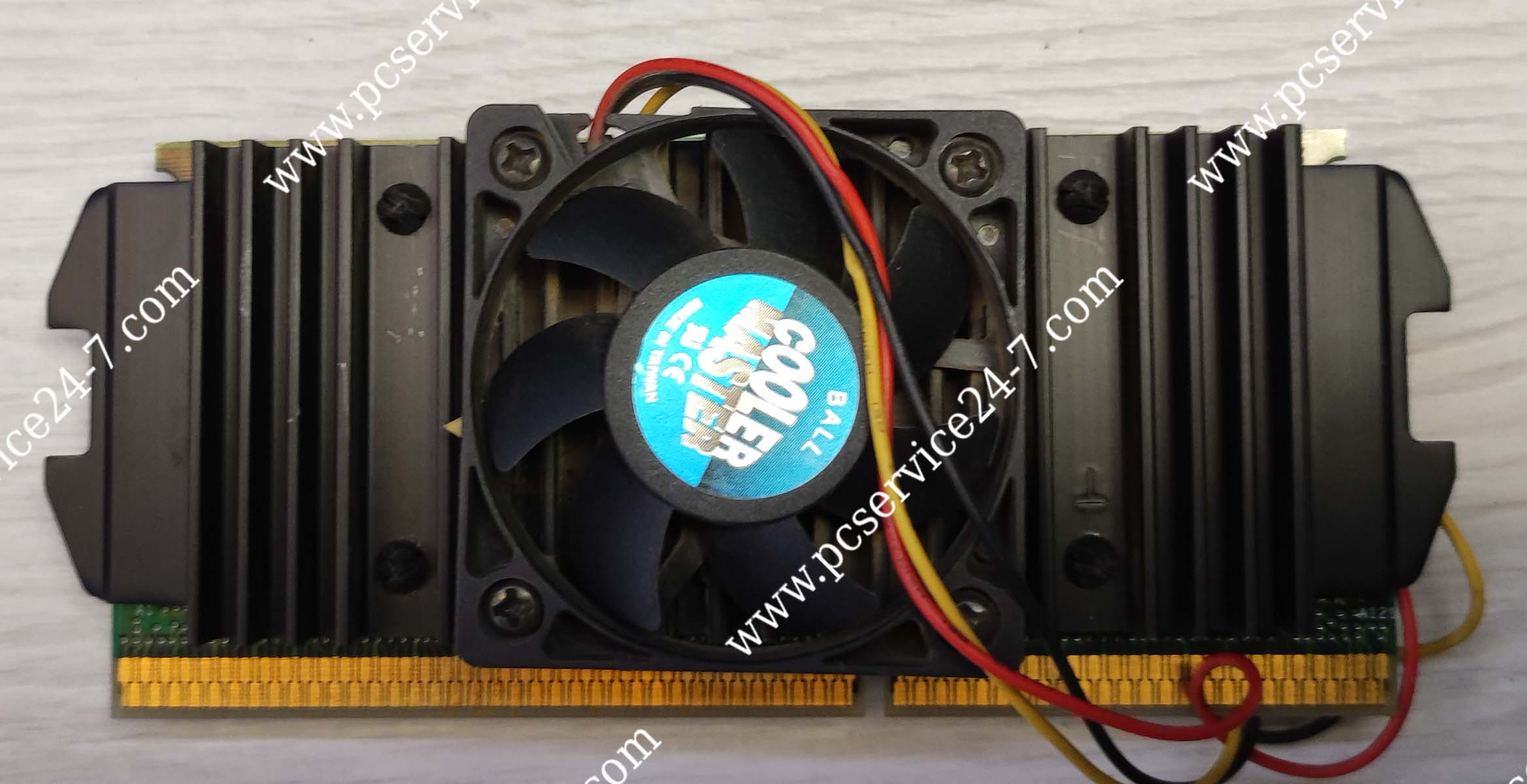
The “Slot” Revolution: This was the era of the SEPP (Single Edge Processor Package), where CPUs looked like large cartridges rather than flat chips.
-
Operating System: The definitive Windows 98 era processor. It made high-speed web browsing and early MP3 playback effortless.
-
Gaming Legacy: When paired with a 3dfx Voodoo2, the Celeron 300A (at 450 MHz) was the “ultimate” setup for playing Half-Life, Quake II, and StarCraft.
-
The “A” Suffix: The “A” was added to the box simply to distinguish it from the older, cacheless 300 MHz model.
Component Gallery
Quick Specs
| Feature | Specification |
| Model | Celeron 300A |
| Core Codename | Mendocino |
| Actual Clock | 300 MHz (Often OC’d to 450 MHz) |
| Bus Speed | 66 MHz (FSB) |
| L2 Cache | 128 KB (Integrated, Full Speed) |
| Socket | Slot 1 (SEPP) |
| Manufacturing Process | 250 nm (0.25 micron) |
| Transistors | 19 Million |
| Voltage | 2.0 V |