Deep Research & Description
The Celeron 433 is a “Mendocino” core refined to its practical limit. While its predecessor, the 300A, became a legend for its overclocking headroom, the 433 was designed to provide raw, out-of-the-box speed for users who didn’t want to tinker with bus speeds. It utilized the PPGA (Plastic Pin Grid Array) packaging for Socket 370, which was significantly cheaper for manufacturers to produce than the Slot 1 SEPP cartridges.
Technically, the 433 MHz clock speed was achieved with a $6.5 \times$ multiplier on a 66 MHz Front Side Bus. Because it retained the full-speed, on-die 128 KB L2 cache, it was incredibly snappy in a Windows environment. However, this high multiplier was its “Achilles’ heel” for enthusiasts; while a 300A could easily jump to a 100 MHz bus ($450 \text{ MHz}$), forcing a Celeron 433 to a 100 MHz bus would require it to hit 650 MHz—a feat almost impossible on 250nm silicon with standard air cooling.
In the evolution of the PC, the Celeron 433 was the “Everyman’s CPU.” It powered the second wave of affordable home PCs that flooded the market during the lead-up to the Y2K scare. It was the processor that made Windows 98 Second Edition feel truly modern, handling the rise of early web browsers (Internet Explorer 5.0) and the transition from 2D desktop work to 3D multimedia with ease.
Era Context
-
The Socket 370 Debut: This was the era where “Slocket” adapters became popular—allowing users to put these newer Socket 370 chips into their older Slot 1 motherboards.
-
Operating System: The staple of Windows 98 SE and early Windows 2000 Professional workstations.
-
Gaming Legacy: A solid performer for the Half-Life and Quake III Arena era, though it was starting to be overshadowed by the first-generation Pentium III “Katmai” chips.
-
Evolutionary Win: It proved that the “Mendocino” architecture was so good that even at higher clock speeds with a slower bus, it could still hold its own against the budget market.
Component Gallery
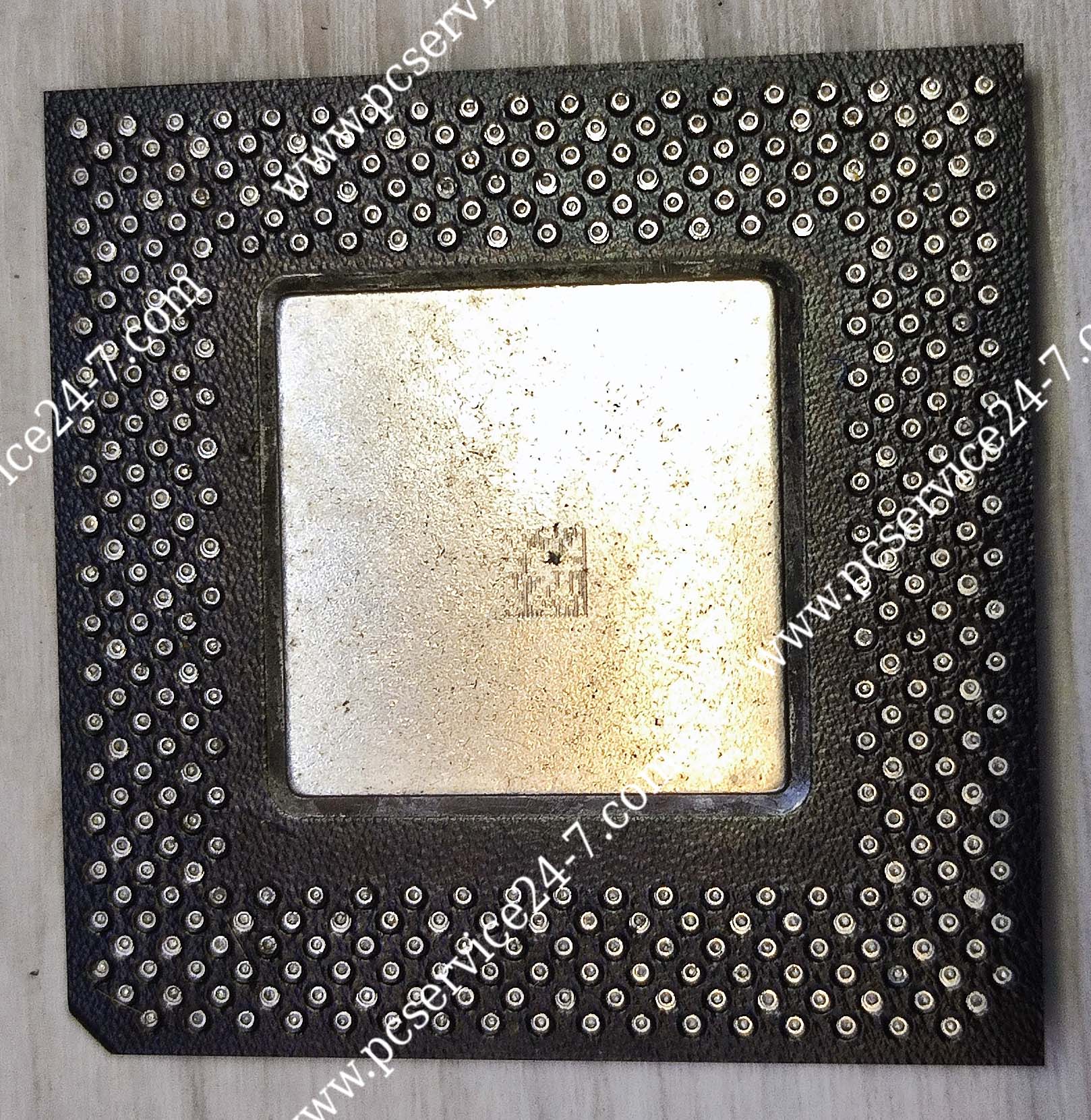
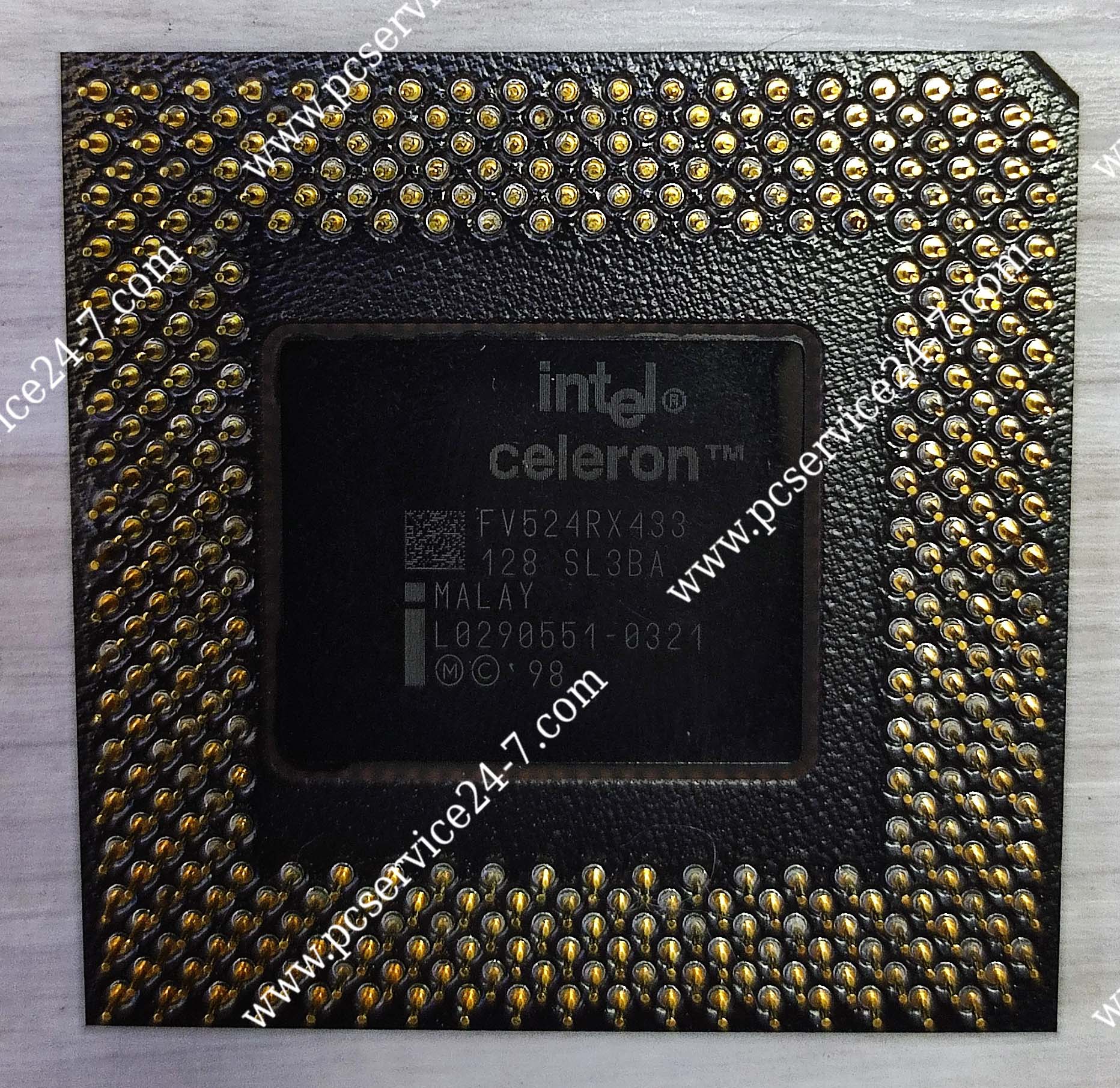
Quick Specs
| Feature | Specification |
| Model | Celeron 433 |
| Part Number | BP80524P433128 |
| Core Codename | Mendocino |
| Actual Clock | 433 MHz |
| Bus Speed | 66 MHz (FSB) |
| L2 Cache | 128 KB (On-die, Full Speed) |
| Socket | Socket 370 (PPGA) |
| Process | $0.25 \mu \text{m}$ (250 nm) |
| Voltage | 2.0 V |
| Transistors | 19 Million |