Deep Research & Description
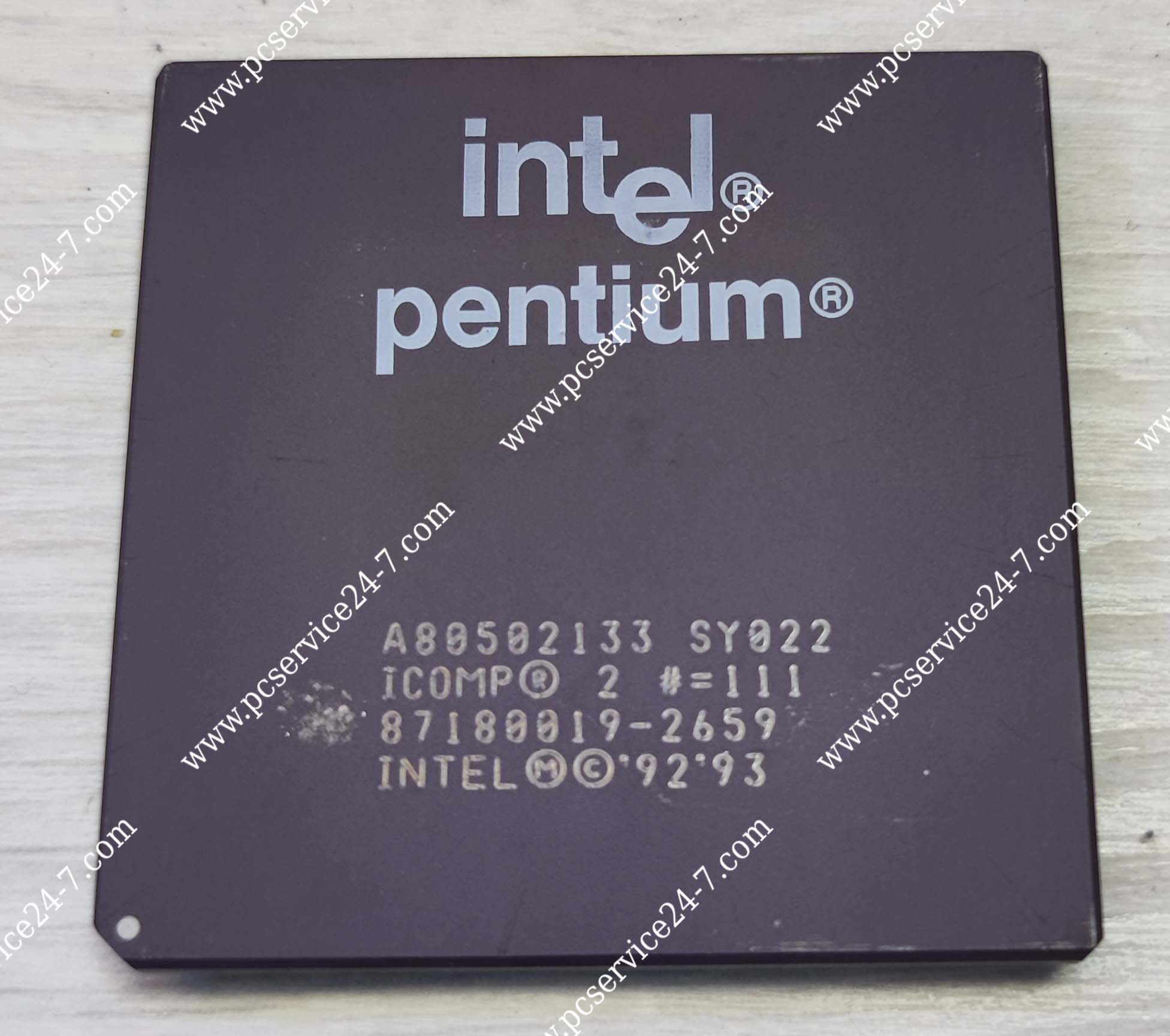
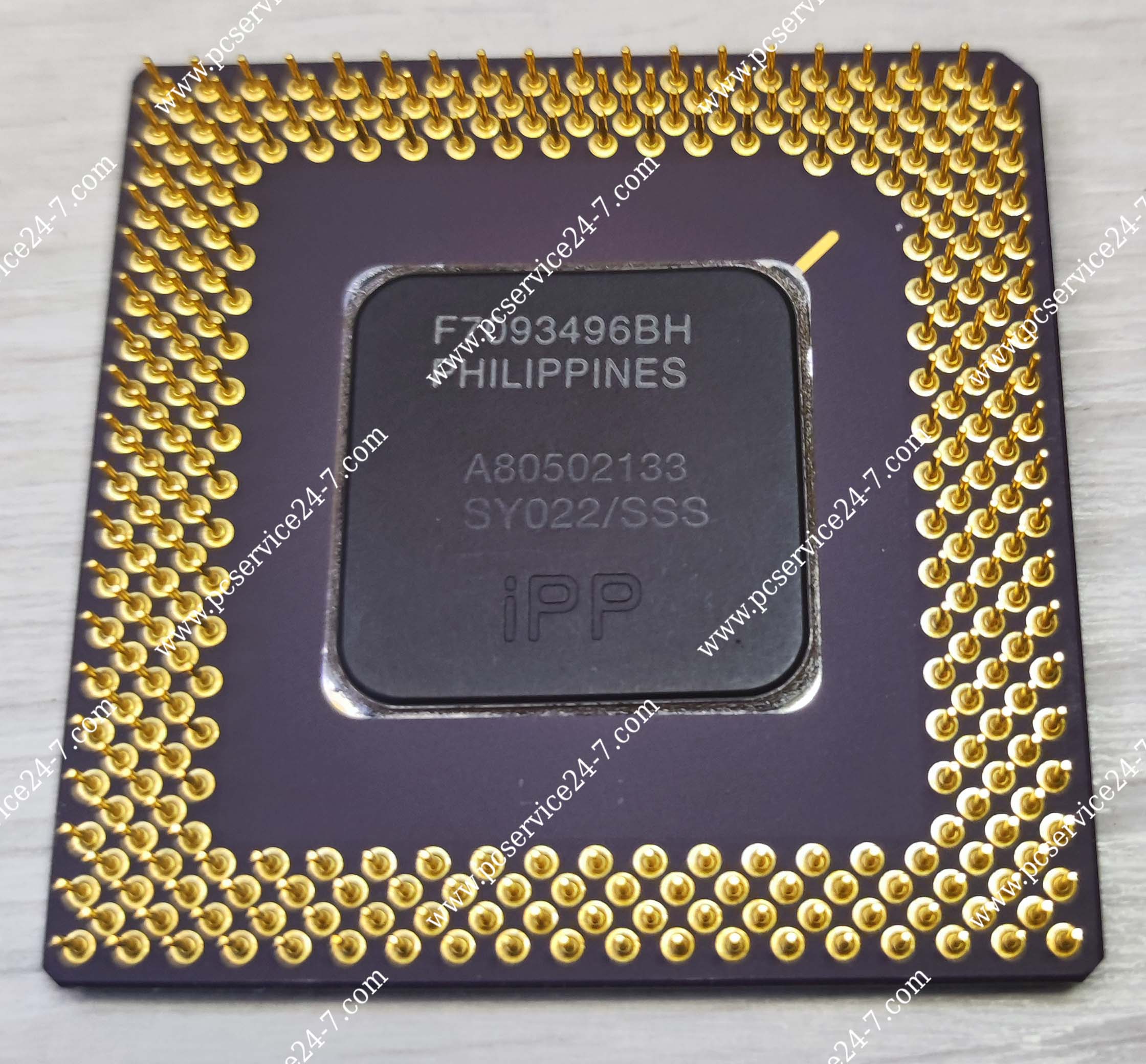
The Pentium 133 represents the pinnacle of the P54CS architecture. While earlier Pentiums (75, 90, and 120 MHz) often ran on 50 or 60 MHz system buses, the 133 was designed to run on a 66 MHz Front Side Bus (FSB). This was a critical evolutionary step; because the entire system (RAM and PCI bus) moved faster, the 133 MHz model felt significantly more responsive than its predecessors, far beyond what the raw megahertz jump would suggest.
Technically, this chip was manufactured on a 0.35-micron process, which allowed it to run at a relatively cool 3.3 volts. This efficiency made it the “gold standard” for early high-end laptops and reliable office workstations. Unlike the later MMX models, the “Classic” 133 relied purely on its raw architectural strength and integrated Floating Point Unit (FPU) to handle the 3D revolution.
In the evolution of the PC, the Pentium 133 was the “Multimedia King.” It was the processor that made Windows 95 truly shine, turning the dream of full-motion video (MPEG-1) and high-fidelity digital audio into a reality for home users. It was the heart of the machines that first explored the World Wide Web via Netscape Navigator and the chip that gamers used to experience the true transition from 2D sprites to the fully 3D worlds of Quake and Duke Nukem 3D.
Era Context
-
The 66 MHz Milestone: By standardizing the 66 MHz bus, the Pentium 133 paved the way for the 166 and 200 MHz models that would follow, making motherboard design much simpler for manufacturers.
-
Operating System: The definitive Windows 95 processor. It was also the minimum “comfortable” CPU for early versions of Windows NT 4.0.
-
Memory Era: This chip lived through the transition from standard FPM RAM to the much faster EDO (Extended Data Out) RAM, which further boosted its performance.
-
Legacy: The Pentium 133 is often cited by retro-builders as the most stable and compatible chip for a “Time Capsule” mid-90s PC, capable of running almost any DOS game perfectly without the “speed bugs” found in faster Pentium II/III systems.
Component Gallery
Quick Specs
| Feature | Specification |
| Model | Pentium 133 |
| Part Number | A80502133 (SY022) |
| Core Codename | P54CS |
| Clock Speed | 133 MHz |
| Bus Speed | 66 MHz (FSB) |
| L1 Cache | 16 KB (8KB Instruction + 8KB Data) |
| Socket | Socket 5 / Socket 7 |
| Manufacturing Process | 0.35 micron |
| Voltage | 3.3 V |
| Transistors | 3.3 Million |