Deep Research & Description
The Radeon HD 3650 was the “sensible choice” for the mid-range market during the Windows Vista era. While enthusiasts were chasing the expensive HD 3870, the HD 3650 brought the Unified Shader Architecture to the masses. Its most significant technological contribution was DirectX 10.1 and Shader Model 4.1 support—features that actually put ATI technically ahead of Nvidia’s 8-series and 9-series cards at the time.
A key highlight of this specific Asus model was the focus on the Unified Video Decoder (UVD). This was the era of the “Blu-ray vs. HD-DVD” war, and the HD 3650 included dedicated hardware to decode H.264 and VC-1 video. This offloaded the heavy lifting from the CPU, making it possible for even a modest budget PC to play 1080p high-definition video smoothly—a task that would have previously caused a 100% CPU spike and stuttering.
Asus famously customized this card with their own cooling solutions. Whether your version has the large, silent passive heatsink or the “Glaciator” fan, Asus aimed for better thermals than the reference ATI design. In the evolution of the PC, the HD 3650 was the bridge that helped transition users from the older DirectX 9 era into the modern, shader-heavy worlds of Windows 7 and the early days of high-definition streaming.
Era Context
-
The 55nm Shift: This was one of the first chips to benefit from the 55nm process, allowing for higher clock speeds with lower power consumption compared to the older 80nm HD 2600 series.
-
Operating System: Built for the “Aero” glass effects of Windows Vista, but it truly found its stride with the launch of Windows 7.
-
Gaming Legacy: It was the “sweet spot” card for games like Team Fortress 2, Portal, and Call of Duty 4: Modern Warfare. While it struggled with Crysis at high settings, it could handle almost any mid-2000s title at 720p resolutions.
-
Multimedia Hero: Because it featured an integrated audio controller, this was one of the first cards that could send both video and 5.1 digital audio over a DVI-to-HDMI adapter, making it a favorite for early Home Theater PCs (HTPCs).
Component Gallery
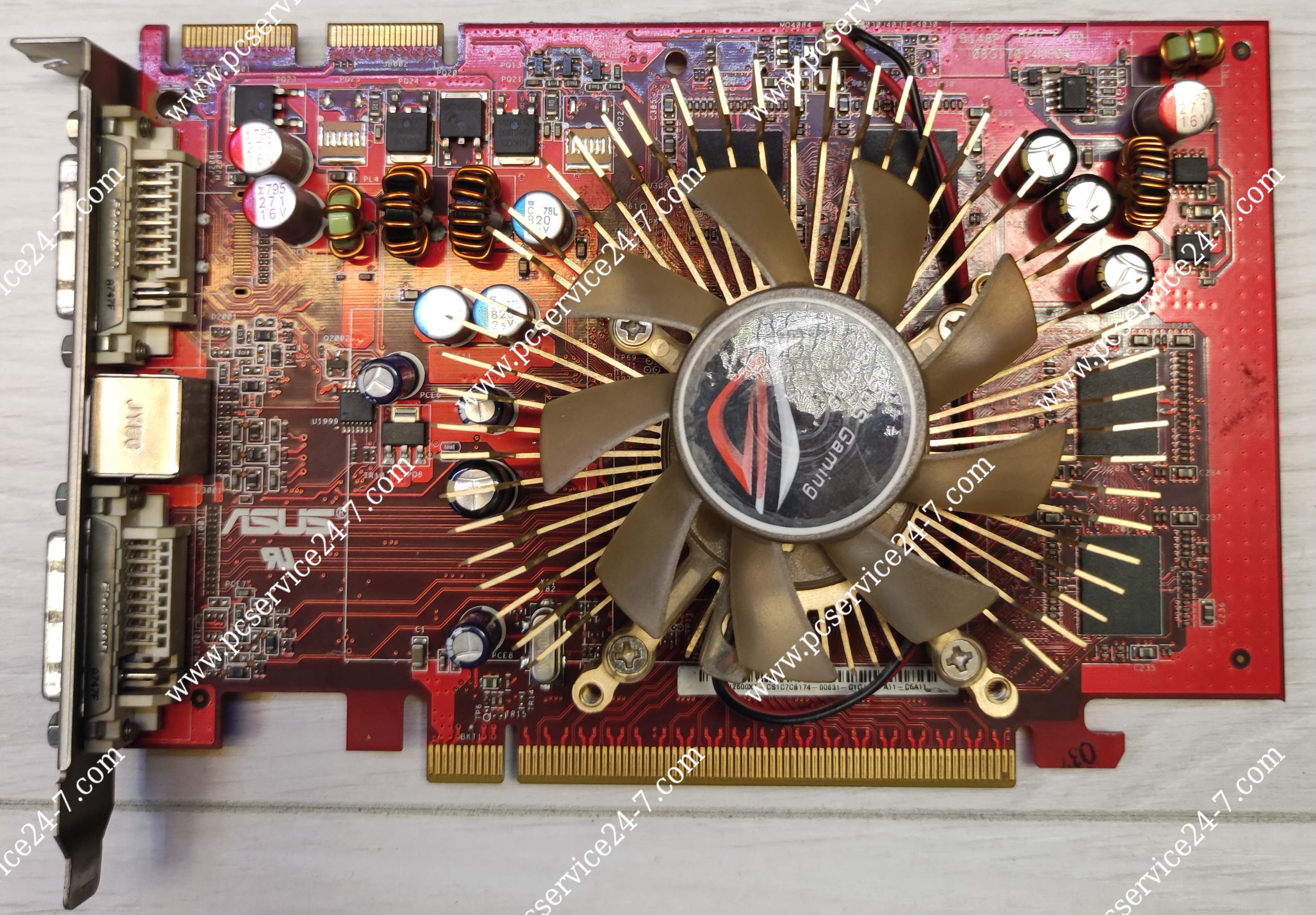
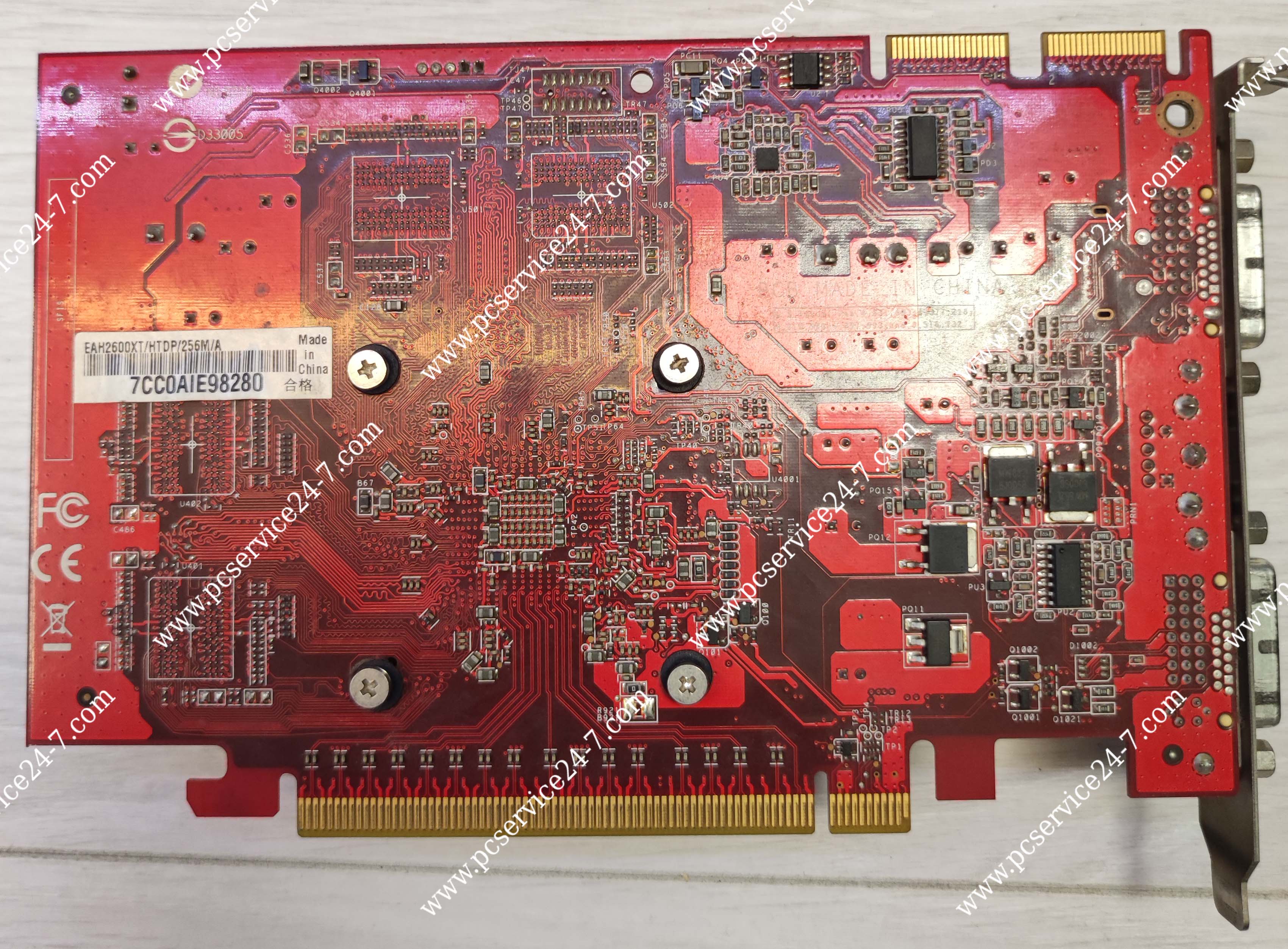
Quick Specs
| Feature | Specification |
| GPU Core | RV635 (55nm) |
| Interface | PCI Express 2.0 (or rare AGP variant) |
| Memory | 256MB / 512MB DDR2 or GDDR3 |
| Memory Bus | 128-bit |
| Core Clock | 725 MHz |
| Memory Clock | 800 MHz – 1000 MHz (Effective) |
| DirectX Support | 10.1 |
| Stream Processors | 120 |
| Outputs | Dual DVI, TV-Out (often HDMI via adapter) |