Deep Research & Description
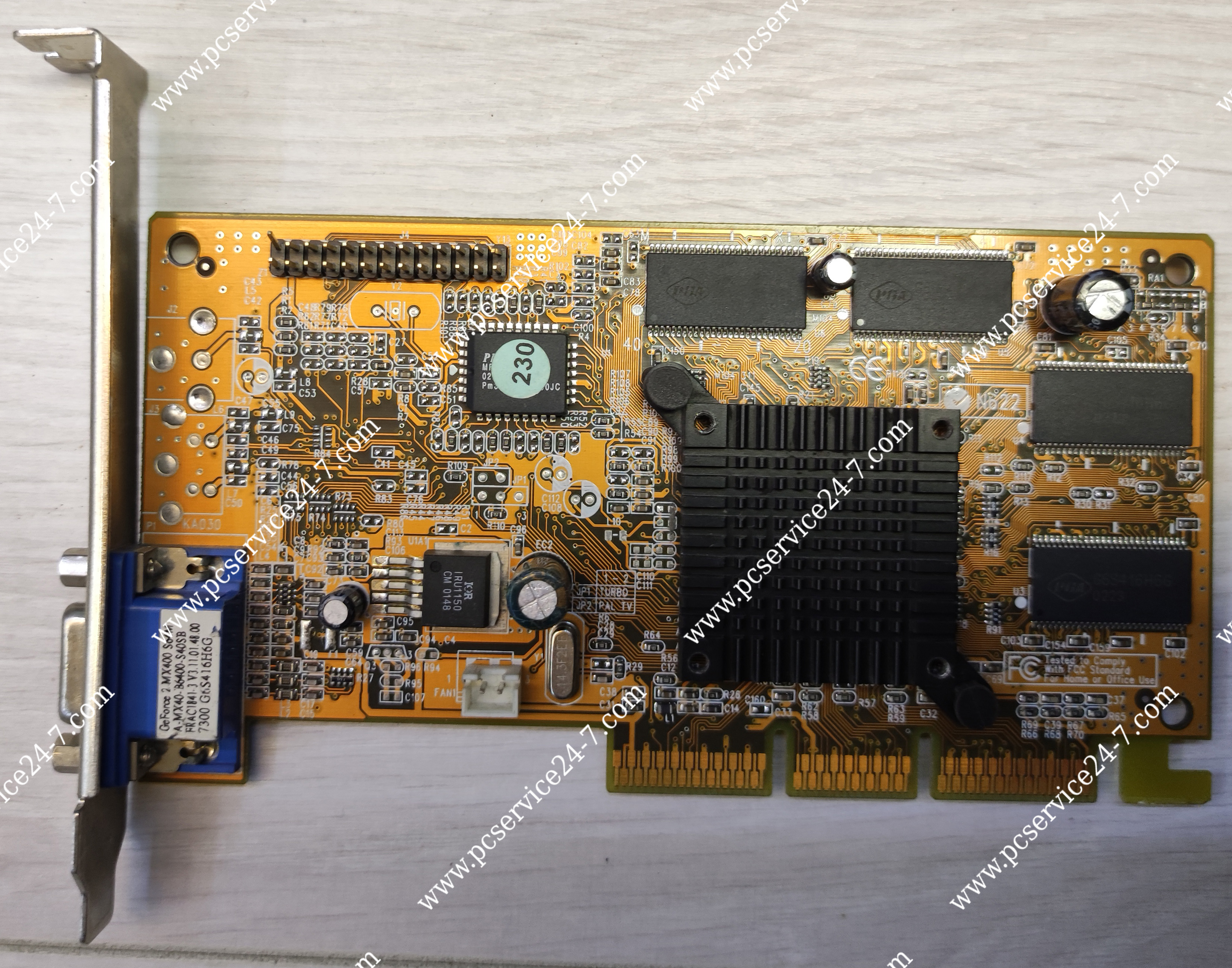
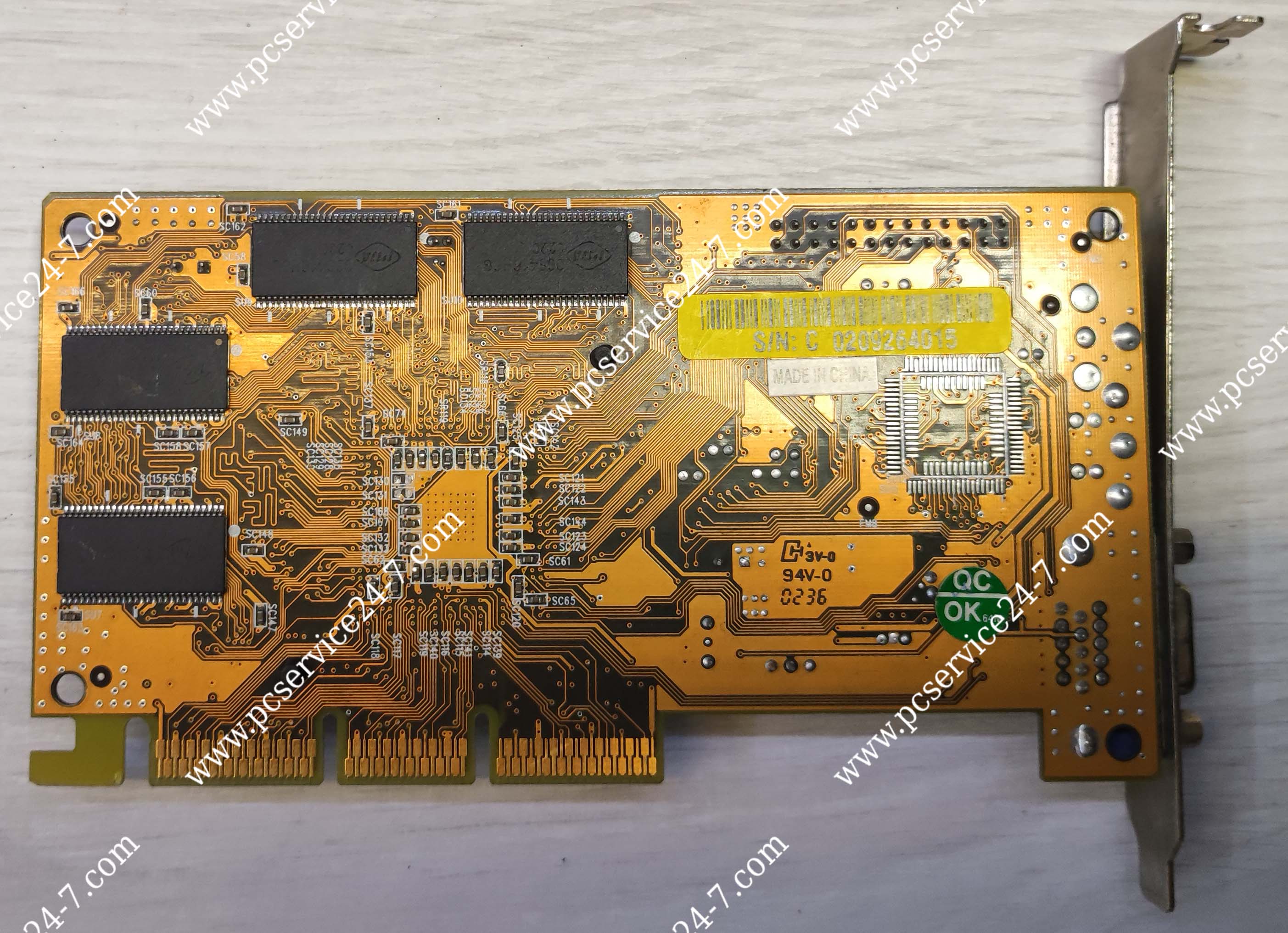
The GeForce 2 MX400 is based on the NV11B architecture, which is essentially a “half-cut” version of the high-end GeForce 2 GTS. While the GTS was a powerhouse that most users couldn’t afford, the MX400 offered about 80% of the features at a fraction of the cost. The most significant achievement of the MX400 was its ability to democratize 3D gaming. Before this era, budget cards were often “crippled” (like the TNT2 M64), but the MX400 was fast enough to run the heavy hitters of the time, such as Quake III Arena and Unreal Tournament, at very playable frame rates.
Technically, the MX400 was a “factory overclocked” version of the original MX. Its core clock was bumped from 175 MHz to 200 MHz. However, its performance was heavily dictated by the memory configuration. Manufacturers often paired it with either 128-bit SDR or 64-bit DDR memory. Interestingly, the 64-bit DDR versions were often slightly slower due to higher latency and restricted bandwidth, making the 128-bit SDR models the “hidden gems” of the lineup.
In the evolution of the PC, the MX400 introduced TwinView (dual monitor support) and Digital Vibrancy Control to the mass market. It was the card that allowed home users to have a dual-screen setup for the first time without spending thousands on professional workstation hardware. Its low power consumption and heat output were so efficient that many OEM versions were shipped with no heatsink at all, or just a small passive piece of aluminum, making it a favorite for silent office builds and early home theater PCs.
Era Context
-
The “Budget King” Title: The MX400 was so successful that it remained the “standard” budget recommendation until the arrival of the GeForce 4 MX 440 a year later.
-
Operating System: The rock-solid choice for Windows 98 SE and the early launch of Windows XP. Its drivers (the “Detonator” series) were legendary for their stability.
-
Gaming Legacy: It was the perfect match for the Pentium III and Athlon XP eras, handling the transition from software-rendered games to the hardware-accelerated world of the early 2000s.
-
OEM Dominance: If you bought a pre-built PC from Dell, HP, or Gateway in 2001, there was a very high chance this card was the “3D heart” of that machine.
Component Gallery
Quick Specs
| Feature | Specification |
| GPU Core | NV11B (Celsius Architecture) |
| Interface | AGP 4x / 2x (some PCI versions exist) |
| Core Clock | 200 MHz |
| Memory | 32 MB or 64 MB (SDR or DDR) |
| Memory Bus | 128-bit (SDR) / 64-bit (DDR) |
| Transistors | 20 Million |
| Process Node | 180 nm |
| DirectX Support | 7.0 (Hardware T&L) |
| Pixel Pipelines | 2 (with 2 Texture Units each) |