Deep Research & Description
The “MX 440-8x” was NVIDIA’s answer to the evolving AGP standard. While the original MX 440 (NV17) was an AGP 4x part, the 8x version utilized the NV18 silicon to double the theoretical bandwidth to the motherboard. In reality, the 8x interface offered little performance gain for a budget card, but it was a crucial marketing checkbox for the “DirectX 9 ready” motherboards appearing in 2003.
The specific version you have—64MB with a 128-bit memory bus—is the “unrestricted” variant of this card. Many later MX 440-8x cards were “SE” models or budget-cuts that used a 64-bit memory bus, which crippled performance. With the full 128-bit bus, this card had enough bandwidth to reliably outpace the older GeForce2 Ti and its primary rival, the ATI Radeon 7500.
Technically, the MX 440-8x is a DirectX 7.0 powerhouse. It lacked the programmable Vertex and Pixel Shaders of the GeForce3 or GeForce4 Ti, which meant it couldn’t run the complex water or lighting effects in games like The Elder Scrolls III: Morrowind. However, because its fixed-function pipeline was so fast, it became the “benchmark standard” for the Counter-Strike 1.6 and Quake III era. It was so ubiquitous that id Software famously ensured Doom 3 would still run on this card, despite its lack of modern shaders.
Era Context
-
The “Great Name Confusion”: This card was the center of a massive controversy where “average” consumers bought a “GeForce4” MX thinking it had the same features as a “GeForce4” Ti, only to find it couldn’t run the latest shader-based games.
-
The OEM Giant: This was the default 3D upgrade for almost every Pentium 4 or Athlon XP system sold in 2002 and 2003. If you had a Dell Dimension or HP Pavilion “Gaming” PC back then, this was likely the heart of it.
-
Operating System: The definitive Windows XP card. Its “Detonator” drivers were so mature by the time the 8x version launched that it was arguably the most stable graphics experience on the market.
-
Gaming Legacy: It was the king of the “Net Cafe” era. It could play Warcraft III, Diablo II, and Medal of Honor: Allied Assault at high frame rates, making it the hero of a million LAN parties.
Component Gallery
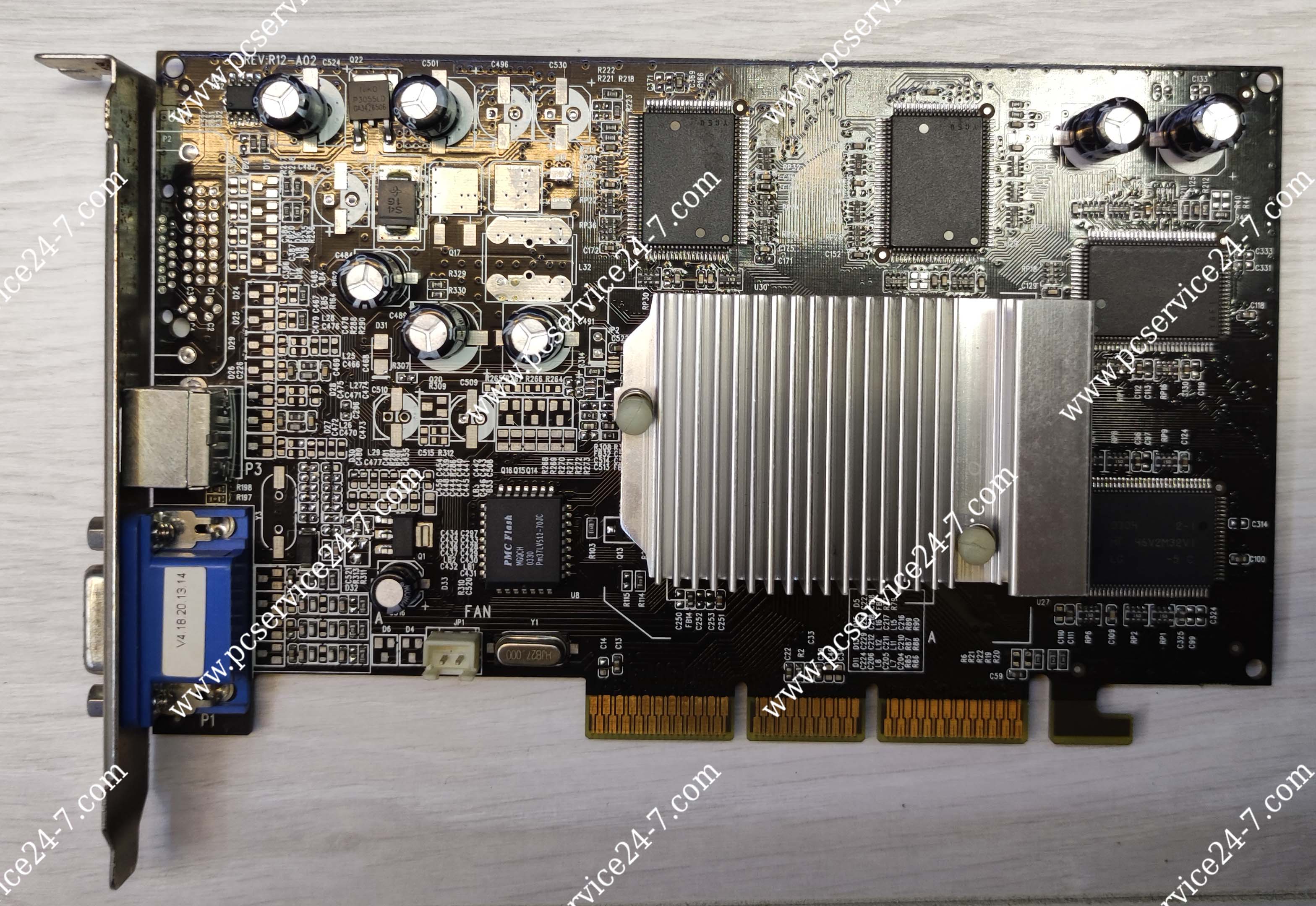
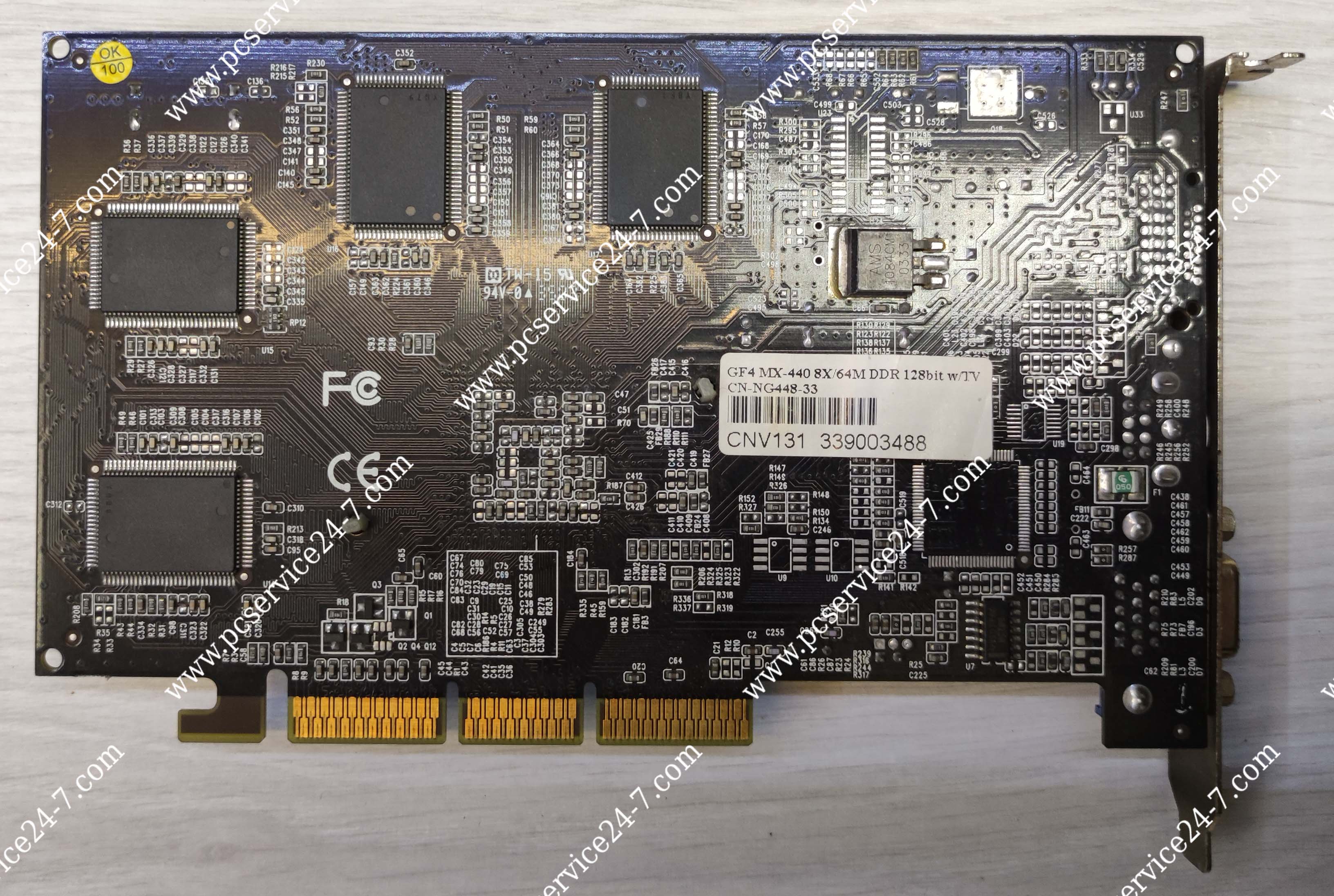
Quick Specs
| Feature | Specification |
| GPU Core | NV18 (Kelvin Architecture) |
| Interface | AGP 8x / 4x |
| Core Clock | 275 MHz |
| Memory | 64 MB DDR |
| Memory Bus | 128-bit (Full Bandwidth) |
| Memory Clock | 250 MHz (500 MHz Effective) |
| DirectX Support | 7.0 (Hardware T&L) |
| Pixel Pipelines | 2 (with 2 texture units each) |
| Manufacturing Process | 150 nm |