Deep Research & Description
The Savage 4 (Model 8a22) is a masterpiece of efficiency and high-fidelity features. While its rivals at Nvidia (TNT2) and 3dfx (Voodoo3) were fighting over raw frame rates, S3 focused on texture detail. The Savage 4’s crowning achievement was S3TC (S3 Texture Compression). This technology allowed the card to compress textures by a ratio of 6:1 with almost no loss in quality. It was so effective that Microsoft licensed it as DXTC for DirectX 6.0, making it the industry standard that is still used in modern GPUs today.
Technically, the Savage 4 was a pioneer in other ways:
-
AGP 4x Pioneer: It was the first mainstream card to support the AGP 4x standard, though its 64-bit memory bus often acted as a bottleneck that prevented it from fully utilizing that bandwidth.
-
The “Metal” API: S3 developed its own low-level API called Metal. If you played Unreal or Unreal Tournament in 1999, the Metal renderer allowed the Savage 4 to display incredibly detailed “S3TC” textures that made the Voodoo3 and TNT2 look blurry by comparison.
-
32-Bit Color: Unlike 3dfx, which famously stuck to 16-bit color for speed, the Savage 4 pushed for “True Color” rendering, ensuring that gradients and skies remained smooth and banding-free.
However, the card’s legacy is complicated by its drivers. S3’s software was notoriously buggy, often causing “z-fighting” (flickering textures) and crashes in early OpenGL titles. Despite these hurdles, the Diamond Stealth III S540 (the most popular version of this chip) became a budget legend for those who wanted high-end visual features at an entry-level price.
Era Context
-
The “Unreal” Legend: This card was the only way to see the “High Res” texture packs included on the Unreal Tournament second disc. At the time, it was a visual revelation.
-
The Bandwidth Wall: While the core was brilliant, the 64-bit memory bus was its “Achilles’ heel.” It couldn’t keep up with the 128-bit TNT2 in raw performance at high resolutions.
-
Operating System: The staple of Windows 98 Second Edition.
-
The Transition: This was the final major success for S3 before the company was eventually split up and the graphics division was sold to VIA.
Component Gallery
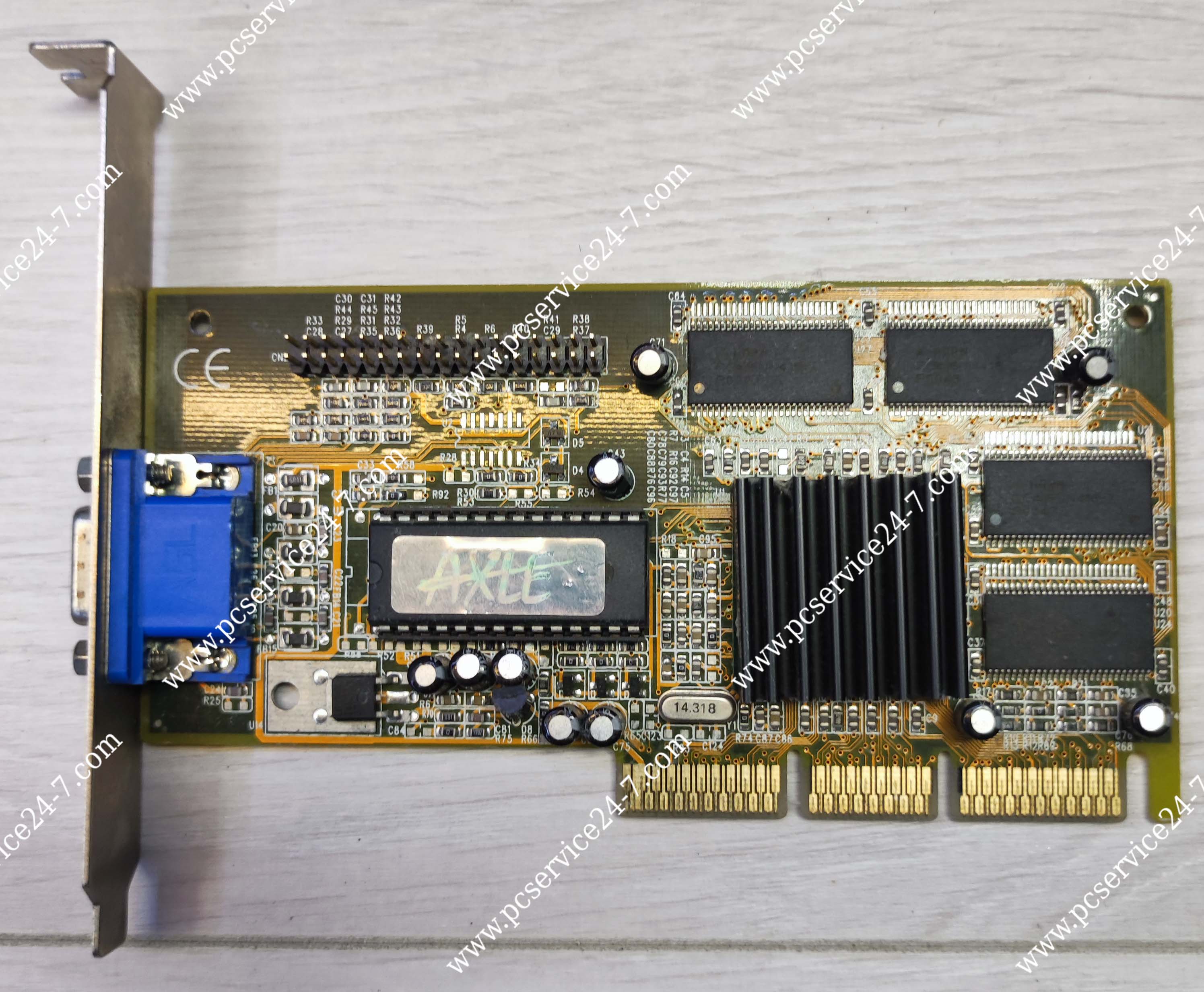
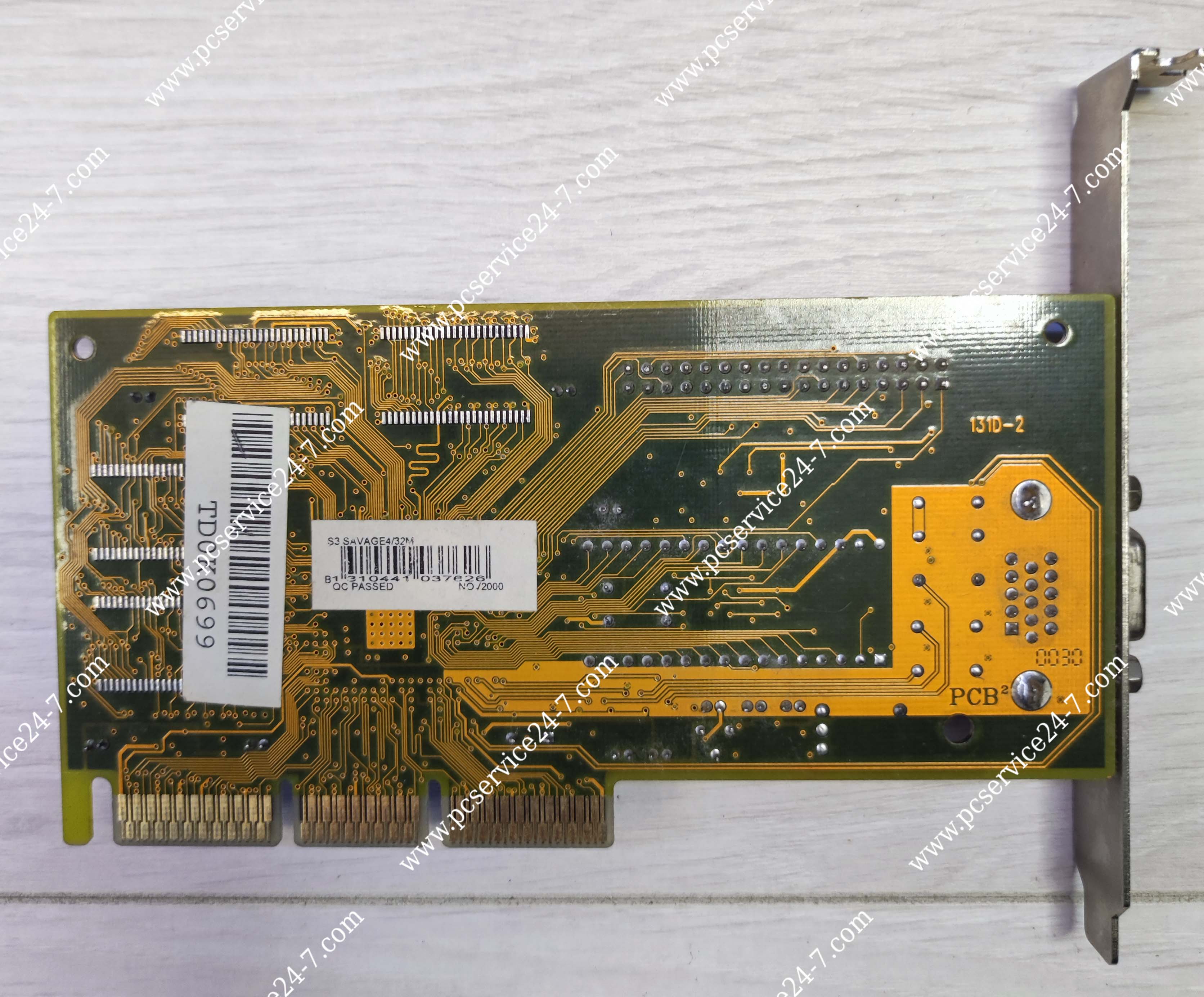
Quick Specs
| Feature | Specification |
| GPU Core | Savage4 PRO (Model 8a22) |
| Interface | AGP 4x / 2x |
| Core Clock | 125 MHz |
| Memory | 32 MB SDRAM |
| Memory Bus | 64-bit |
| Memory Clock | 143 MHz |
| Pipeline | 128-bit internal / 1 Pixel Pipe |
| DirectX Support | 6.0 (S3TC / DXTC) |
| Proprietary API | S3 Metal |
| Manufacturing | 250 nm (0.25 micron) |