Deep Research & Description
The MPE3136AH was a pioneer in the transition to the Ultra ATA/66 (UDMA 4) interface. While your previous Quantum Fireball was limited to 33 MB/s, this Fujitsu drive doubled the theoretical burst rate to $66 \text{ MB/s}$. To achieve this without data corruption, this drive was one of the first to require the famous 80-conductor IDE cable (the one with the blue connector and extra-fine wires), which added ground lines between every signal wire to reduce interference.
Technically, this drive utilized GMR (Giant Magnetoresistive) heads, a Nobel-prize-winning technology that allowed for much higher data density. At 13.6 GB, this drive was spacious enough to hold early digital video files and massive game installs like Baldur’s Gate II (which famously took up over 2GB for a full install).
Fujitsu marketed the MPE series with a heavy focus on Silent Drive Technology. They used a sophisticated internal damping system and specialized spindle motor controllers to reduce the “seek chatter” that was common in the earlier 90s. While it still has that nostalgic mechanical “whirr,” it was considered a very polite and quiet drive for a high-performance 1999 workstation.
Era Context
-
The 13GB Milestone: In late 1999, a 13.6 GB drive was the “sweet spot” for a high-end Pentium III or Athlon system. It was the point where users stopped worrying about deleting files every time they wanted to install a new game.
-
Operating System: The perfect companion for Windows 98 Second Edition or the launch of Windows 2000 Pro.
-
The Reliability Reputation: Fujitsu drives of this era were known for being incredibly robust. Unlike the “MPG” series that followed a few years later (which suffered from the infamous “Cirrus Logic chip failure”), the MPE series is widely considered one of the most reliable hard drive families Fujitsu ever produced.
-
The Cable Evolution: This drive is a great teaching tool for your museum to show the difference between a standard 40-pin IDE cable and the “high-speed” 80-conductor cable required for ATA/66.
Component Gallery
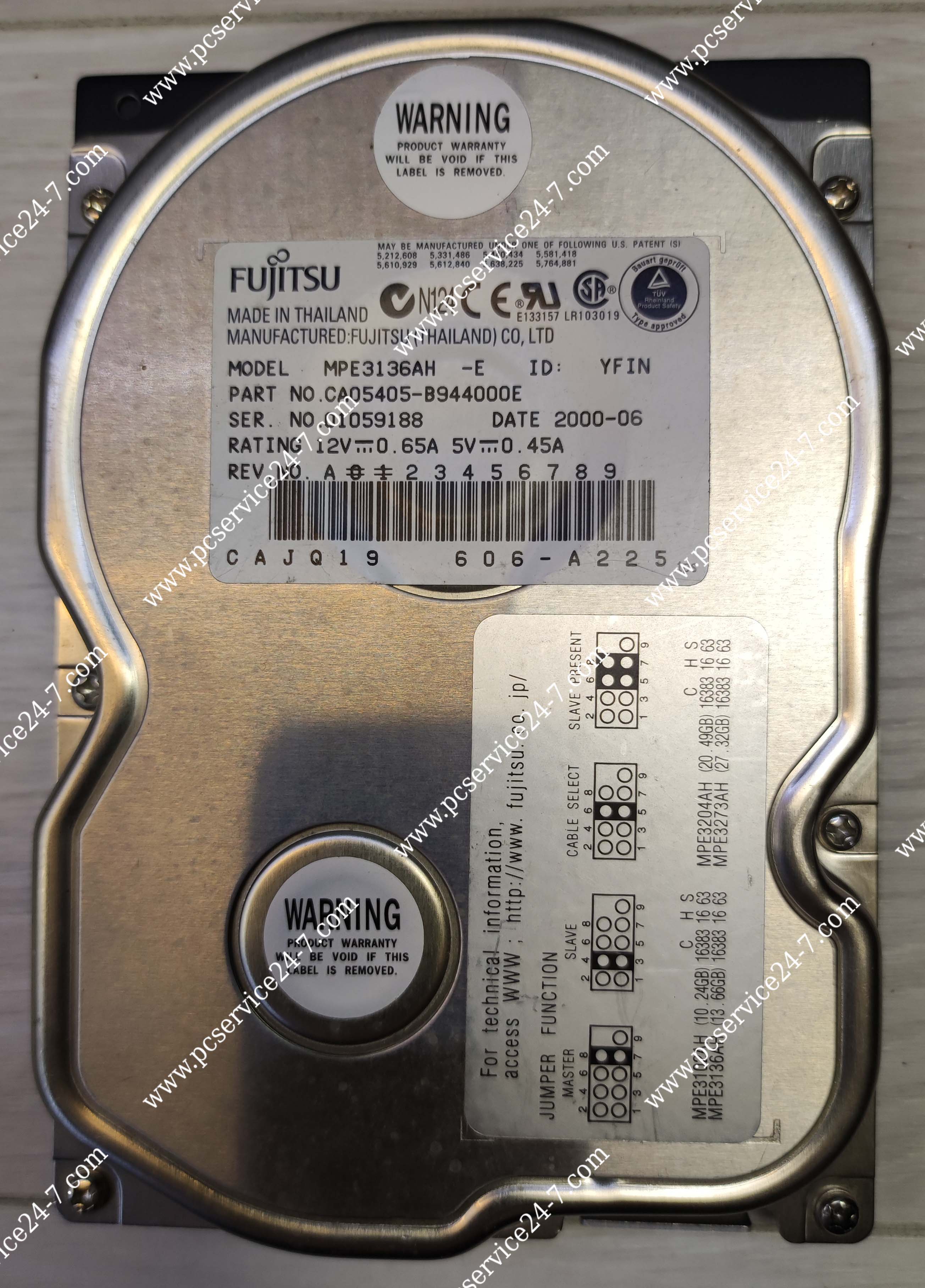
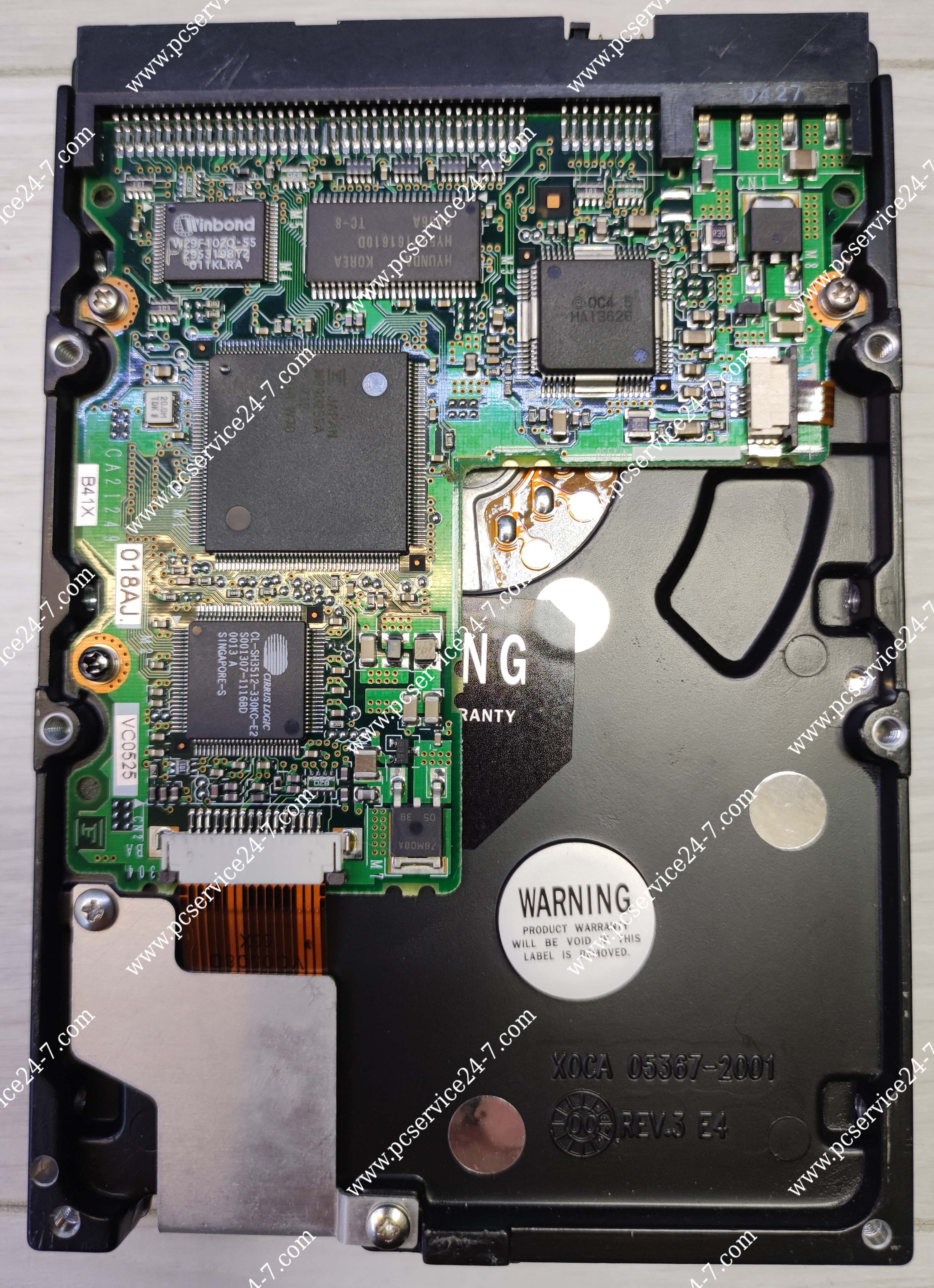
Quick Specs
| Feature | Specification |
| Model | MPE3136AH |
| Capacity | 13.6 GB |
| Interface | Ultra ATA/66 (UDMA 4) |
| Spindle Speed | 5400 RPM |
| Cache Buffer | 512 KB |
| Average Seek | 9.5 ms |
| Platters / Heads | 3 Platters / 6 Heads |
| Internal Transfer | ~272 Mbits/s |
| Release Year | Late 1999 |