Deep Research & Description
The 90432D3 belongs to a generation where Maxtor shifted its engineering focus toward Areal Density. By managing to fit approximately 2.1 GB of data per platter, Maxtor could produce a 4.3 GB drive using only two platters and three heads. This reduction in moving parts not only made the drive more reliable but also reduced the heat and noise that plagued older, multi-platter designs.
Technically, this drive was a staple for the Pentium II and early Pentium III era. It utilized the Ultra ATA/33 (UDMA Mode 2) interface, which allowed for a burst data transfer rate of 33.3 MB/s. While this seems modest today, in 1998 it was the “speed limit” for most motherboards. This drive was also one of the first to implement improved S.M.A.R.T. (Self-Monitoring, Analysis, and Reporting Technology) features, giving users an early warning before a mechanical failure—a lifesaver for the emerging “power user” market.
In the evolution of the PC, the DiamondMax 4320 series was known for its “no-nonsense” design. It didn’t have the high-pitched whine of the Quantums or the heavy chatter of the Western Digitals. It was a silent, steady performer that found its way into millions of OEM systems from companies like Dell and Gateway, proving that 5400 RPM was the perfect “sweet spot” for home computing.
Era Context
-
The 4.3 GB Benchmark: In 1998, 4.3 GB was the “Goldilocks” capacity—not so small that you ran out of space immediately, but not so large that it triggered the 8.4 GB BIOS barriers found in older 486 or early Pentium motherboards.
-
Operating System: The definitive drive for Windows 98. It had enough room for the OS, a full suite of office tools, and a healthy collection of games like StarCraft or Half-Life.
-
The “Maxtor Reliability”: This series helped Maxtor shed its earlier “entry-level” reputation. The 4320 family was built like a tank; many of these drives are still used today in industrial machines because of their incredible longevity.
-
The Jumper Block: Like the others in your collection, this drive features the classic 10-pin jumper block. Setting it to “Master” or “Slave” was a rite of passage for every 90s PC builder.
Component Gallery
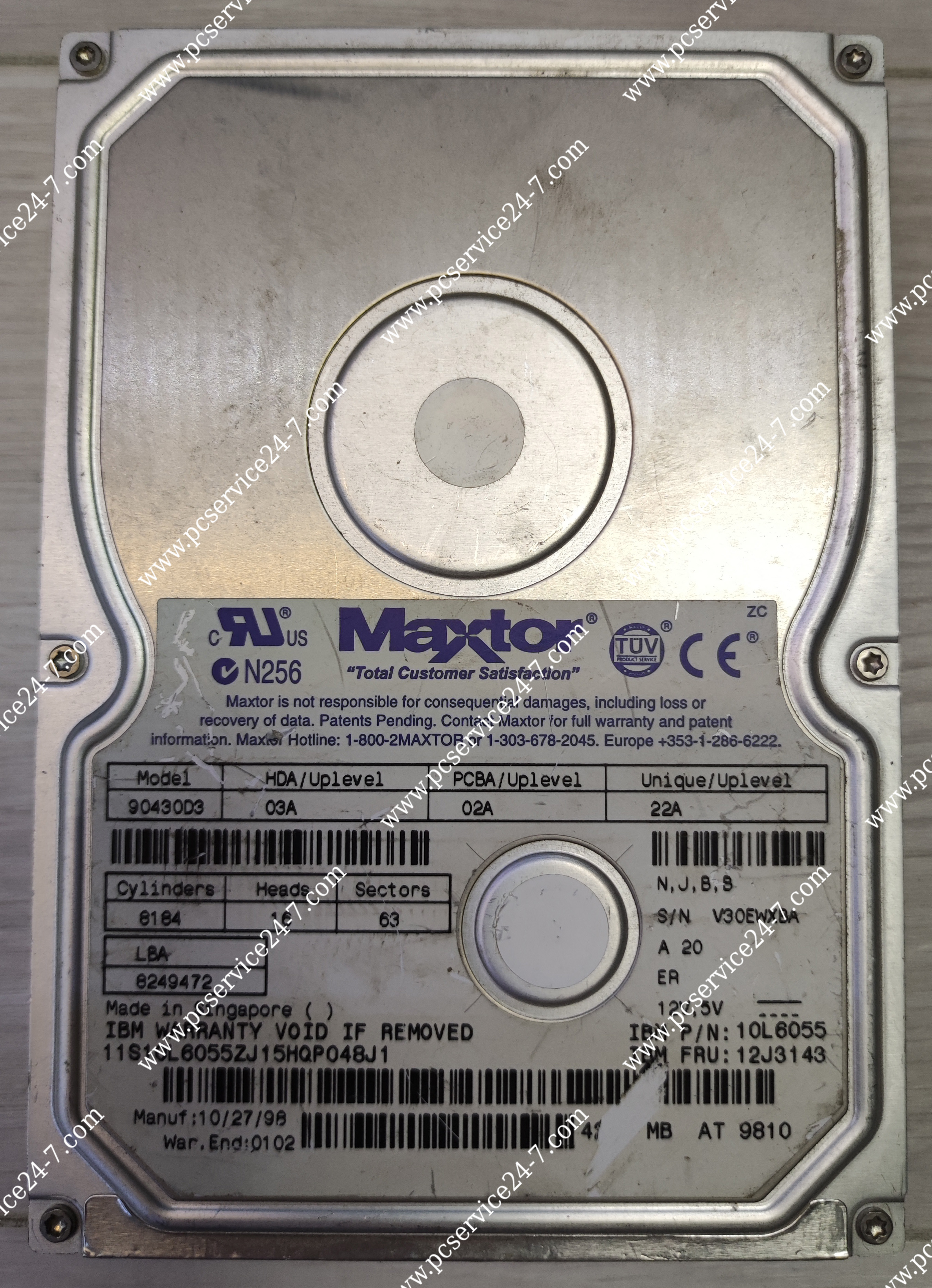
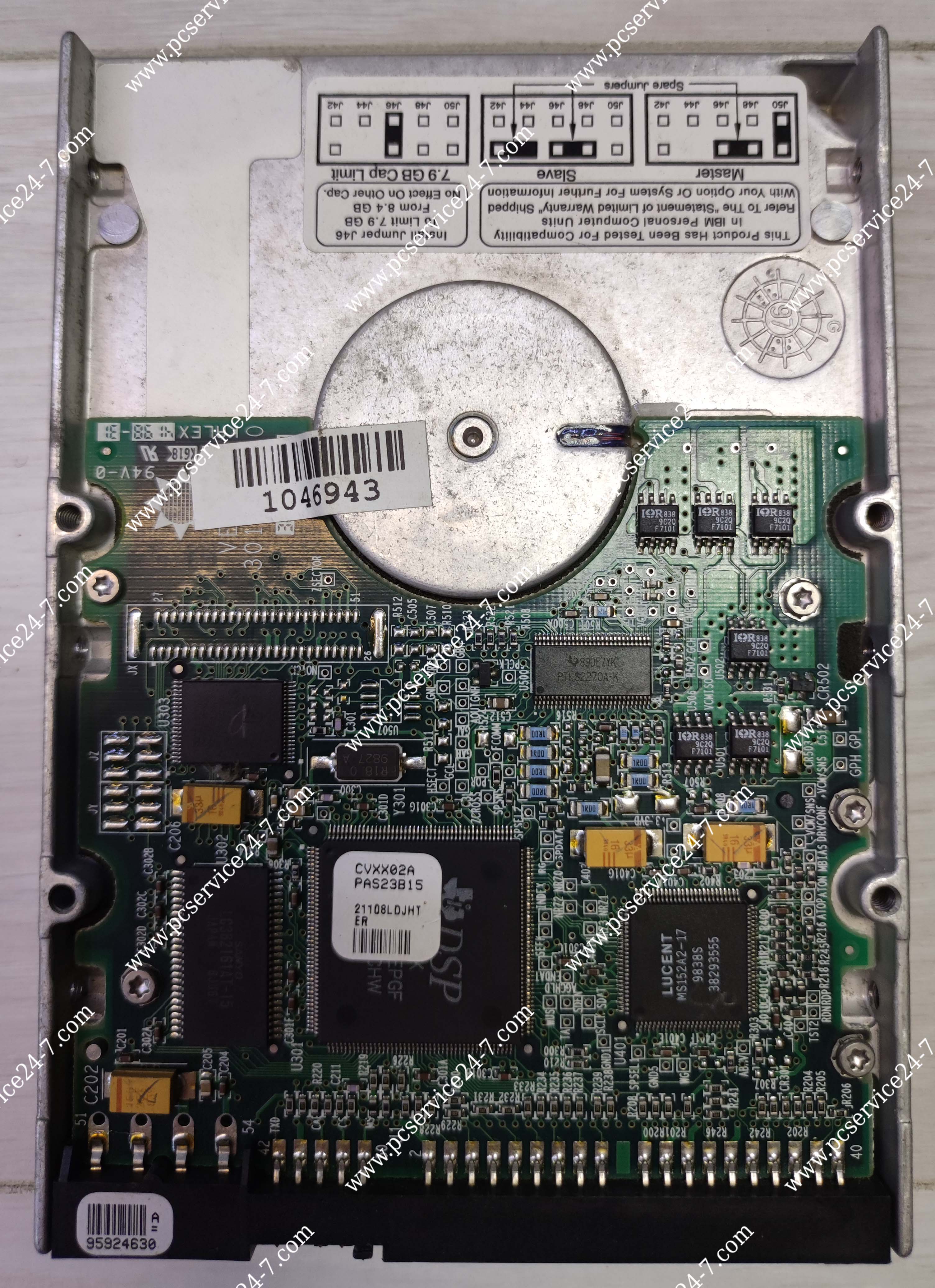
Quick Specs
| Feature | Specification |
| Model | 90432D3 |
| Family | DiamondMax 4320 |
| Capacity | 4.32 GB |
| Interface | Ultra ATA/33 (ATA-4) |
| Spindle Speed | 5400 RPM |
| Cache Buffer | 256 KB |
| Average Seek | 9.0 ms |
| Platters / Heads | 2 Platters / 3 Heads |
| Release Year | ~1998 |