Deep Research & Description
The U Series 5 was designed with a specific philosophy: durability and silence over raw, screaming performance. While the Barracuda line was for enthusiasts, the U Series was the heart of the “Family PC.” The most striking feature is the SeaShield, a black rubber-like silicon wrap that covered the bottom PCB and the sides of the drive. This served two purposes: it protected the delicate electronic components from static shock during installation and acted as a massive sound-dampening muffler for the spindle motor.
Technically, the drive was a pioneer of Seagate’s 3D Defense System. This wasn’t just marketing fluff; it integrated G-Force Protection (to handle the rough treatment often found in OEM shipping) and SeaShell packaging. With a 5400 RPM spindle speed and ATA/100 interface support, it offered a perfectly balanced performance profile for the launch of Windows XP. Because it utilized high-density 20 GB platters, the 20 GB model was often a single-platter design, making it incredibly thin, light, and cool-running.
In the evolution of the PC, the U Series 5 was the quintessential “OEM Drive.” If you opened up a Dell Dimension or an HP Pavilion between 2001 and 2002, this was the drive you were most likely to find. It represented the moment hard drives became a “commodity” part—reliable, silent, and tough enough to survive in almost any environment.
Era Context
-
The “Indestructible” Reputation: The SeaShield made these drives feel premium and “safe” to handle, a major psychological win for first-time PC builders who were terrified of touching the green circuit boards of other drives.
-
Operating System: The definitive drive for the Windows XP Home Edition era. It offered enough space for the OS and a growing library of digital photos and Napster downloads.
-
Sound Barrier Technology: Seagate marketed these as being “virtually silent,” and for the time, they were. The combination of 5400 RPM and the rubber shield eliminated the high-pitched whine that defined 90s computing.
-
Transition: This drive marked the end of the “Small Drive” era; by the time the U Series 6 arrived, capacities were jumping toward 40GB and 80GB as standard.
Component Gallery
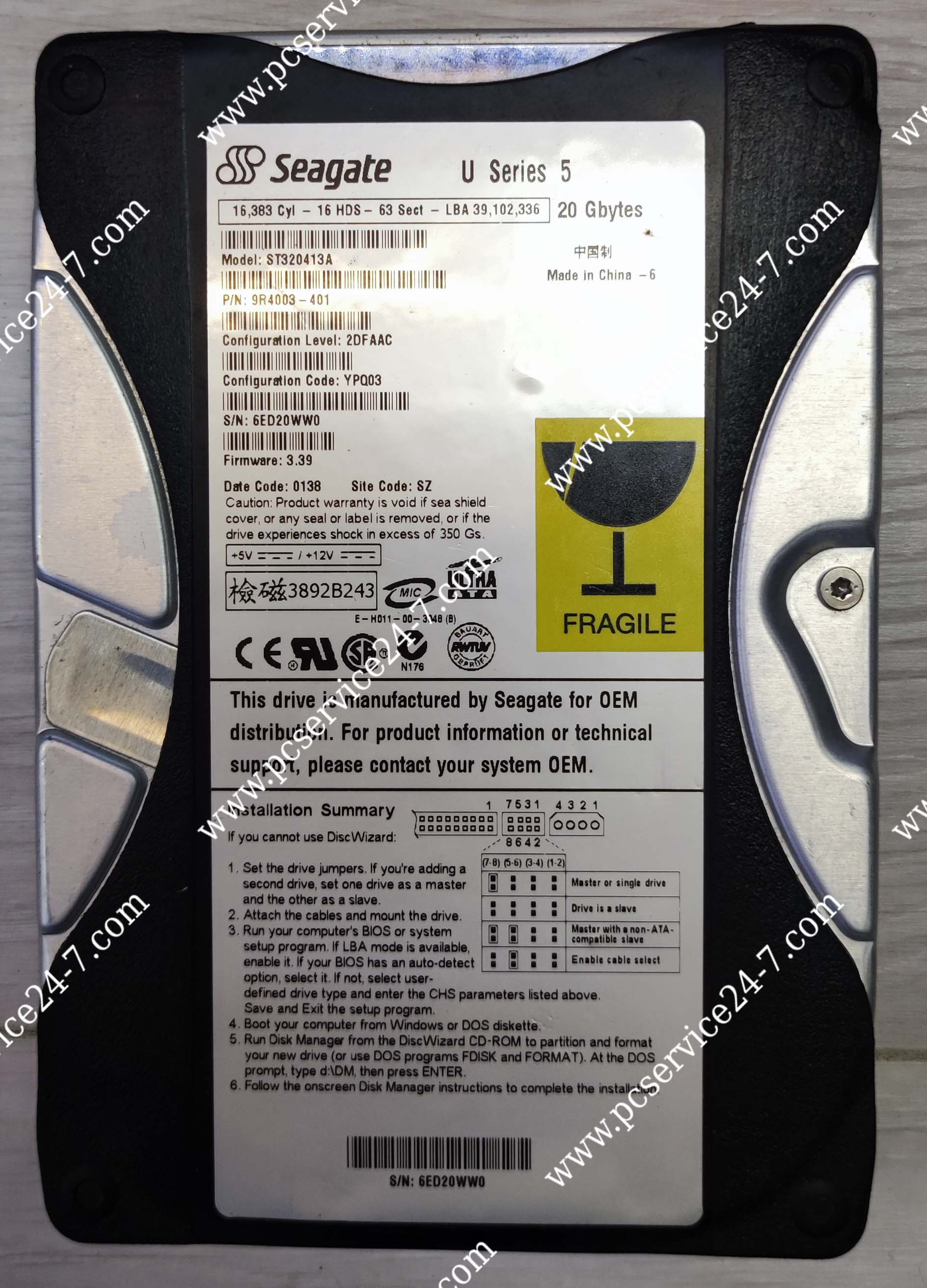
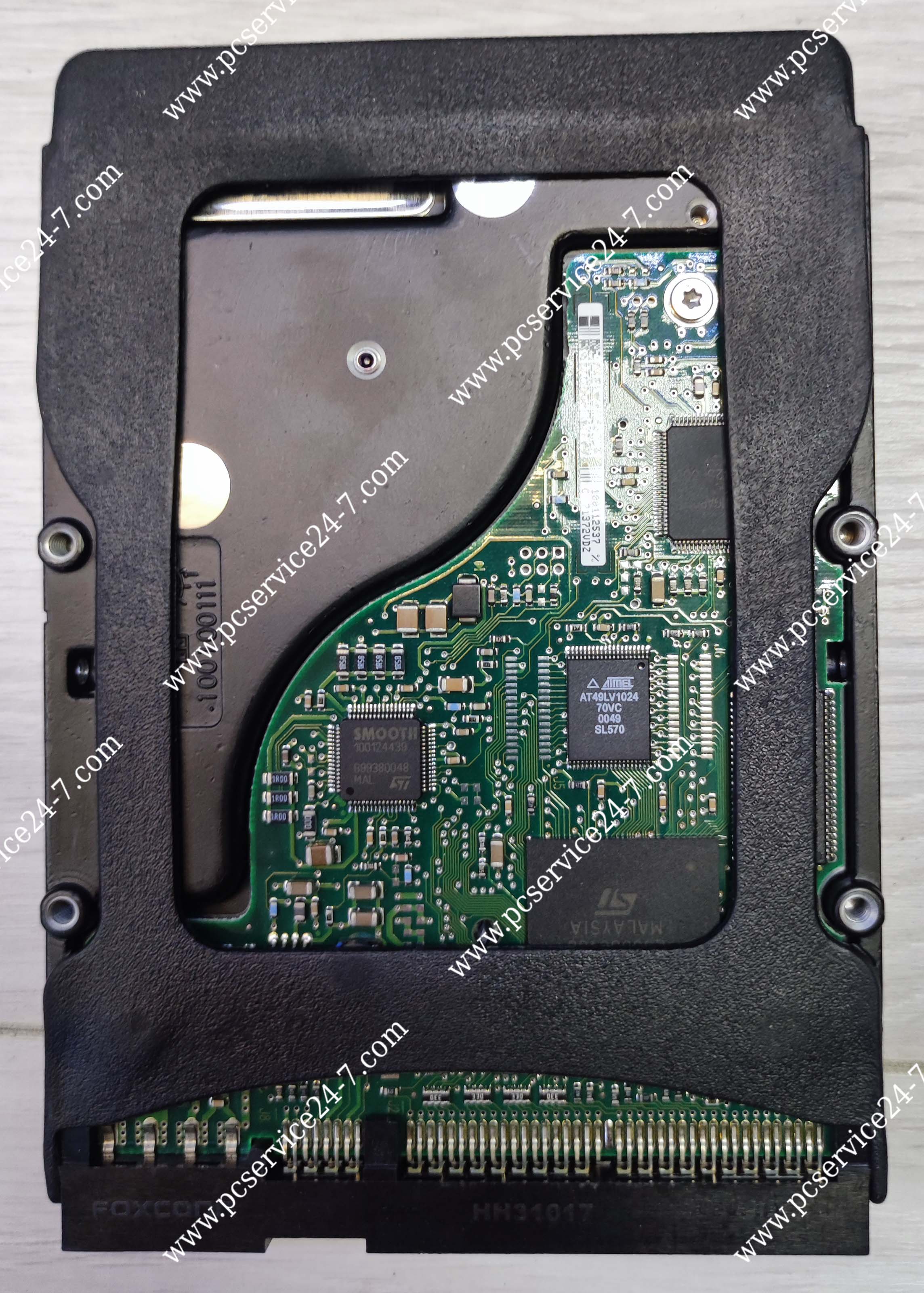
Quick Specs
| Feature | Specification |
| Model | ST320410A |
| Family | U Series 5 |
| Capacity | 20 GB |
| Interface | Ultra-ATA/100 (PATA) |
| Spindle Speed | 5400 RPM |
| Cache Buffer | 2 MB |
| Average Seek | 8.9 ms |
| Areal Density | 20 GB per Platter |
| Protection | SeaShield™ (Rubber Wrap) |
| Release Year | ~2001 |