Deep Research & Description
The GA-7VA is centered around the VIA KT400 North Bridge and the VT8235 South Bridge. The “400” in the name was a bold marketing move by VIA; while the official JEDEC standard for DDR400 (PC3200) hadn’t been fully ratified at the time of launch, this board was one of the first to provide unofficial support for it. This gave AMD users a theoretical bandwidth edge over the Intel Pentium 4 systems of the day.
Technically, the board is a masterclass in early-2000s reliability. It features Gigabyte’s “Round Corner” PCB design for improved durability and the EZ-Fix™ AGP slot, which used a more secure locking mechanism for the increasingly heavy graphics cards of the time. One of its most critical technical caveats is its AGP support: it is a 1.5V-only AGP 3.0 compliant slot. This means it is perfect for a Radeon 9700 Pro or a GeForce4 Ti, but it will physically block (or fail to boot with) older 3.3V cards from the mid-90s.
In the evolution of the PC, the GA-7VA represented the “Sweet Spot” for enthusiasts. It offered a high-end feature set—including USB 2.0, 6-channel audio, and ATA-133 support—without the extreme price tag of the “DX” or “Ultra” versions. It was the definitive platform for gamers who wanted a rock-solid, high-bandwidth foundation for the launch of Unreal Tournament 2003 and Battlefield 1942.
Era Context
-
The “Barton” Compatibility: This board was the go-to for the Athlon XP 2500+ and 2800+. Its support for the 333MHz FSB was the key to unlocking the true potential of the Barton core’s larger L2 cache.
-
Overclocking Features: Gigabyte included linear 1MHz-step FSB adjustments and CPU Vcore voltage controls in the BIOS, making this a “secret weapon” for budget overclockers who couldn’t afford the premium Abit or ASUS boards.
-
Operating System: The definitive Windows XP Professional platform. It was launched right as XP was becoming the dominant OS, and its VIA 4-in-1 drivers were legendary for fixing early stability issues.
-
The AGP Warning: Because this board supports AGP 8x, it uses the 1.5V/0.8V standard. If you try to force an old 3.3V AGP 2x card into it, you risk damaging the motherboard—always look for the “Universal” or “1.5V” notch on your GPU!
Component Gallery
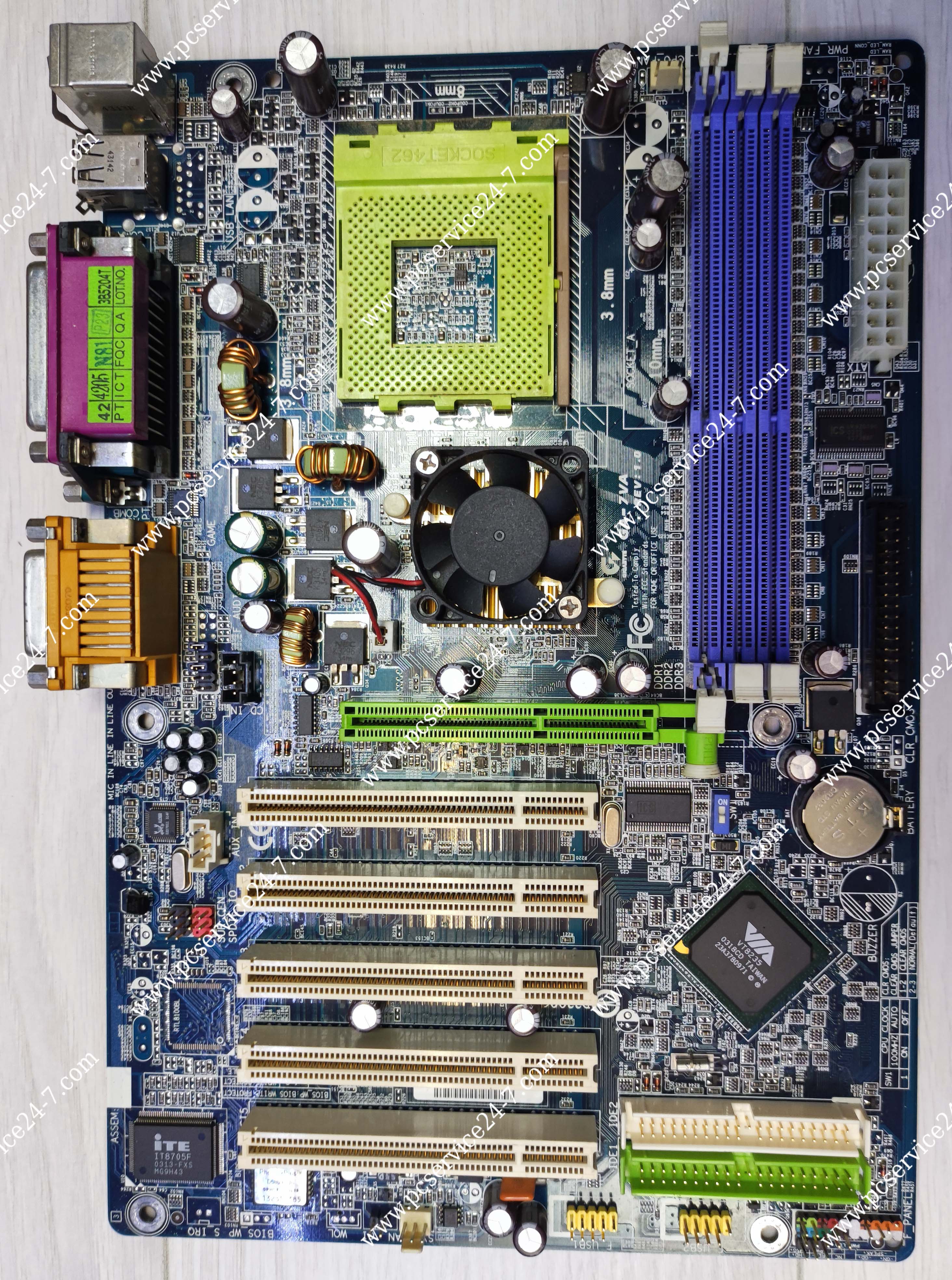
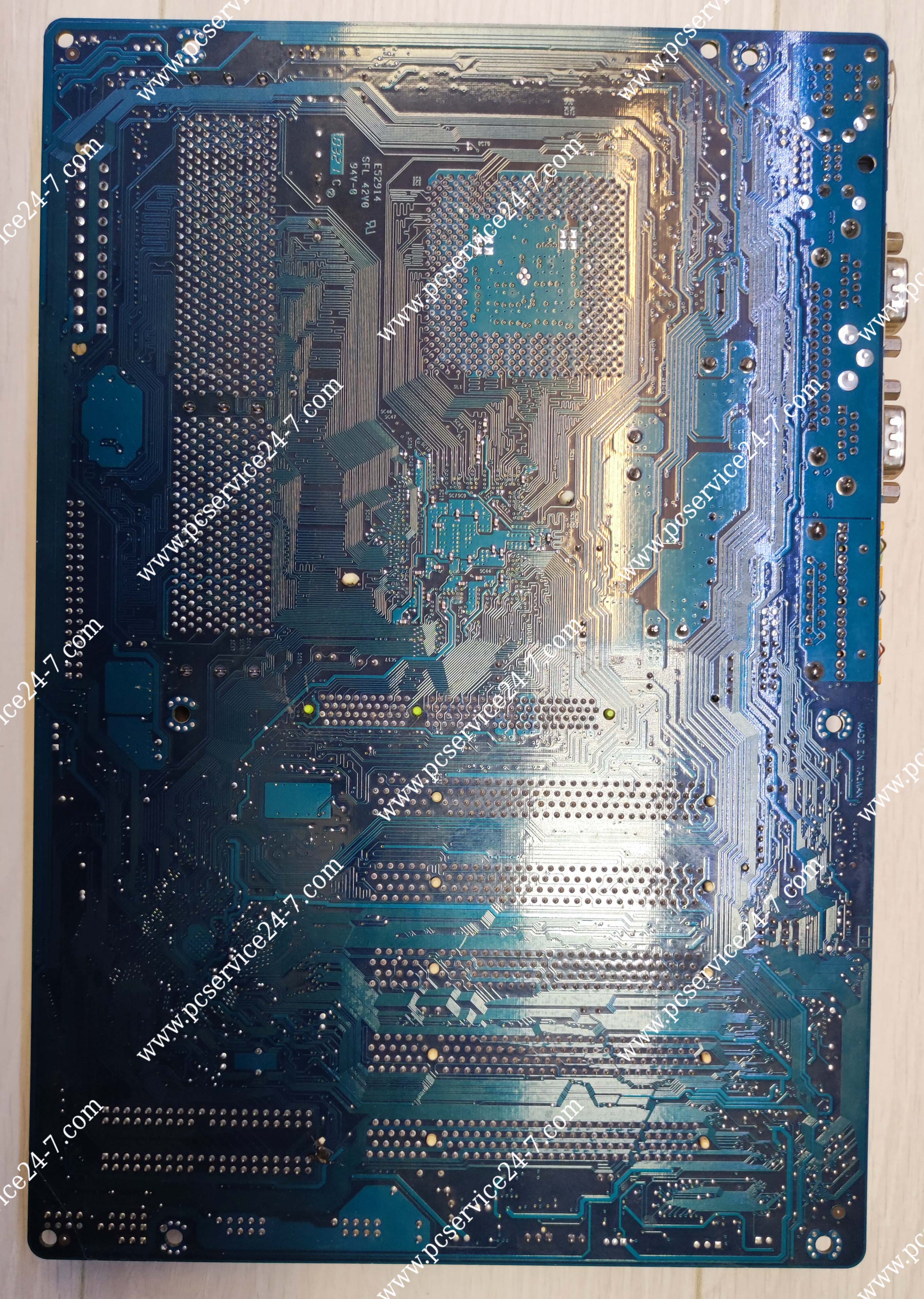
Quick Specs
| Feature | Specification |
| CPU Socket | Socket A (462) |
| Supported CPUs | AMD Athlon XP / Athlon / Duron |
| Chipset | VIA KT400 (North) + VIA 8235 (South) |
| Front Side Bus | 333 / 266 / 200 MHz |
| Memory | 3x DDR DIMM Slots (Up to 3GB DDR400/333/266) |
| Expansion | 1x AGP 8x/4x (1.5V only), 5x PCI Slots |
| Storage | 2x IDE (Ultra DMA 133/100/66), 1x Floppy |
| Audio | 6-Channel AC’97 (Realtek ALC650) |
| USB | 6x USB 2.0 (2 on back, 4 via headers) |
| Form Factor | ATX (29.5cm x 20.0cm) |