Deep Research & Description
The QDI KuDoZ 7X/600 (KD7X/600) is a fascinating piece of late-era Socket A (462) history. Released in late 2003, it was QDI’s (Legend QDI) final high-performance push for the Athlon XP platform before the industry shifted toward the Athlon 64. It is essentially the “perfected” version of the earlier KuDoZ 7X series, specifically updated to handle the fastest processors AMD ever released.
The KuDoZ 7X/600 is built around the VIA KT600 chipset. This was a critical update for VIA; while the previous KT400 was often criticized for unstable DDR400 performance, the KT600 officially ratified support for the 400MHz Front Side Bus (FSB) and DDR400 (PC3200). This made the 7X/600 one of the few boards that could run the range-topping Athlon XP 3200+ at its native speed without overclocking.
Technically, there is a very interesting quirk with the Southbridge on this model. Most KT600 boards from rivals like ASUS or MSI used the newer VT8237 (which introduced native SATA). However, early revisions of the KuDoZ 7X/600-6A often paired the KT600 Northbridge with the older, ultra-stable VIA VT8235 Southbridge. This means that unless you have the late-revision “SATA” version, this board is a “pure IDE” powerhouse, eschewing early (and often finicky) SATA 1.0 controllers in favor of two rock-solid Ultra DMA 133 channels.
In the spirit of QDI’s “Legend” branding, the board is packed with their signature “Easy” technologies. This includes SpeedEasy (for BIOS-based overclocking without jumpers), LogoShow (which allowed you to replace the boot screen with your own bitmap images—a huge novelty in 2003), and BootBlocker, a hardware-level antivirus that protected the BIOS from being overwritten by early 2000s malware like the CIH virus.
Era Context
-
The “Barton” King: This board was the definitive home for the Athlon XP 3200+. Because it natively supported the 400MHz FSB, it didn’t suffer from the performance “stutter” that plagued older KT400 boards trying to reach those speeds.
-
The Power Choice: In 2003, QDI was a favorite for professional system builders. While ASUS and Abit were for the “extreme” overclockers, QDI was for the user who wanted a PC that would stay stable for five years without a single crash.
-
Operating System: The ultimate Windows XP Professional platform. With its six PCI slots, it was also widely used for high-end Windows 2000 workstations.
-
The BIOS Protection: The BootBlocker feature was a genuine lifesaver. During an era where “BIOS Flashing” was a terrifying and risky process, QDI’s dual-protection meant that even if a flash failed, the board could almost always recover itself.
This board is the “Final Form” of the Athlon XP era. It offers the highest possible speeds for that socket while retaining the legendary 6-PCI layout that was slowly disappearing from other brands.
Component Gallery
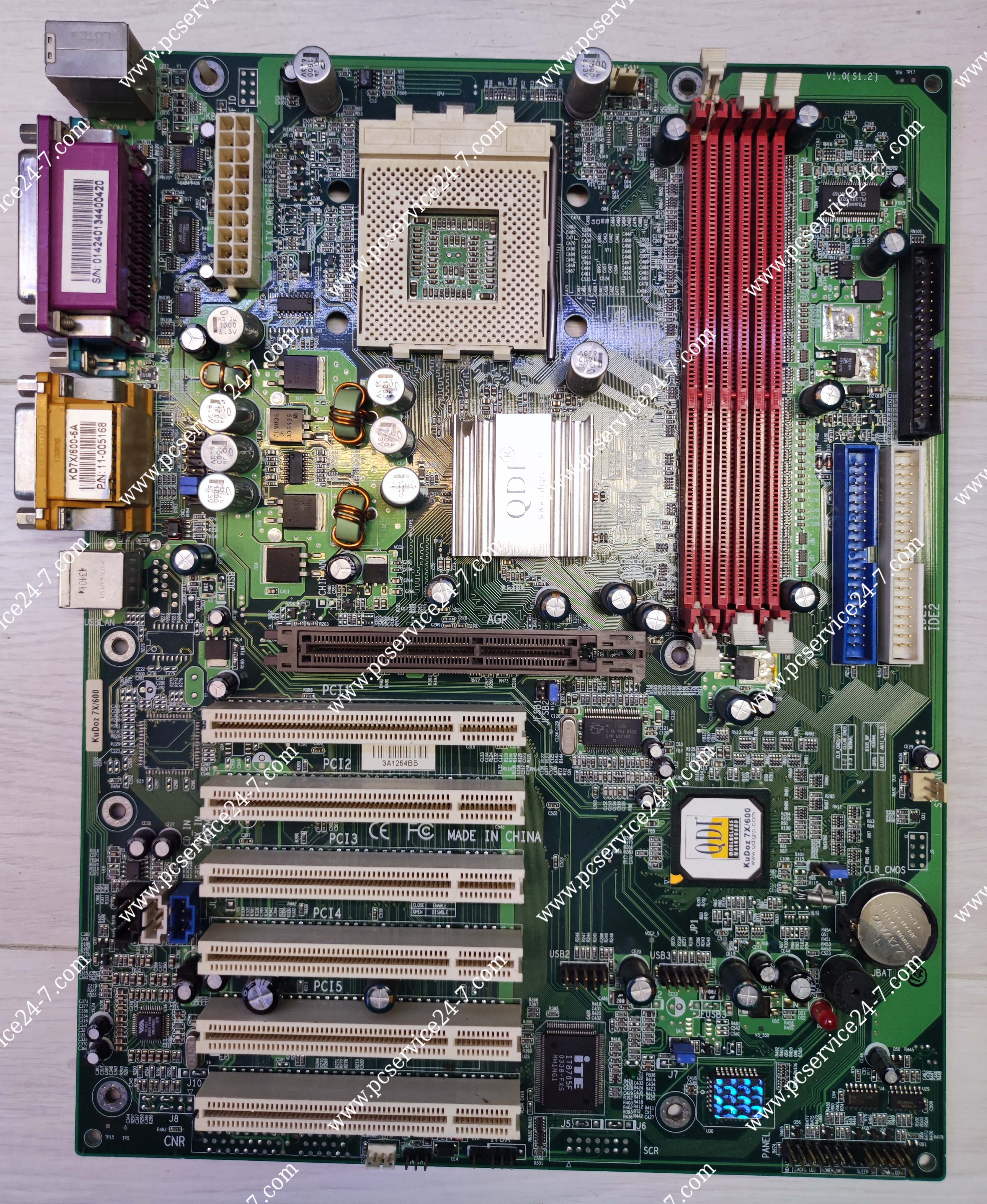
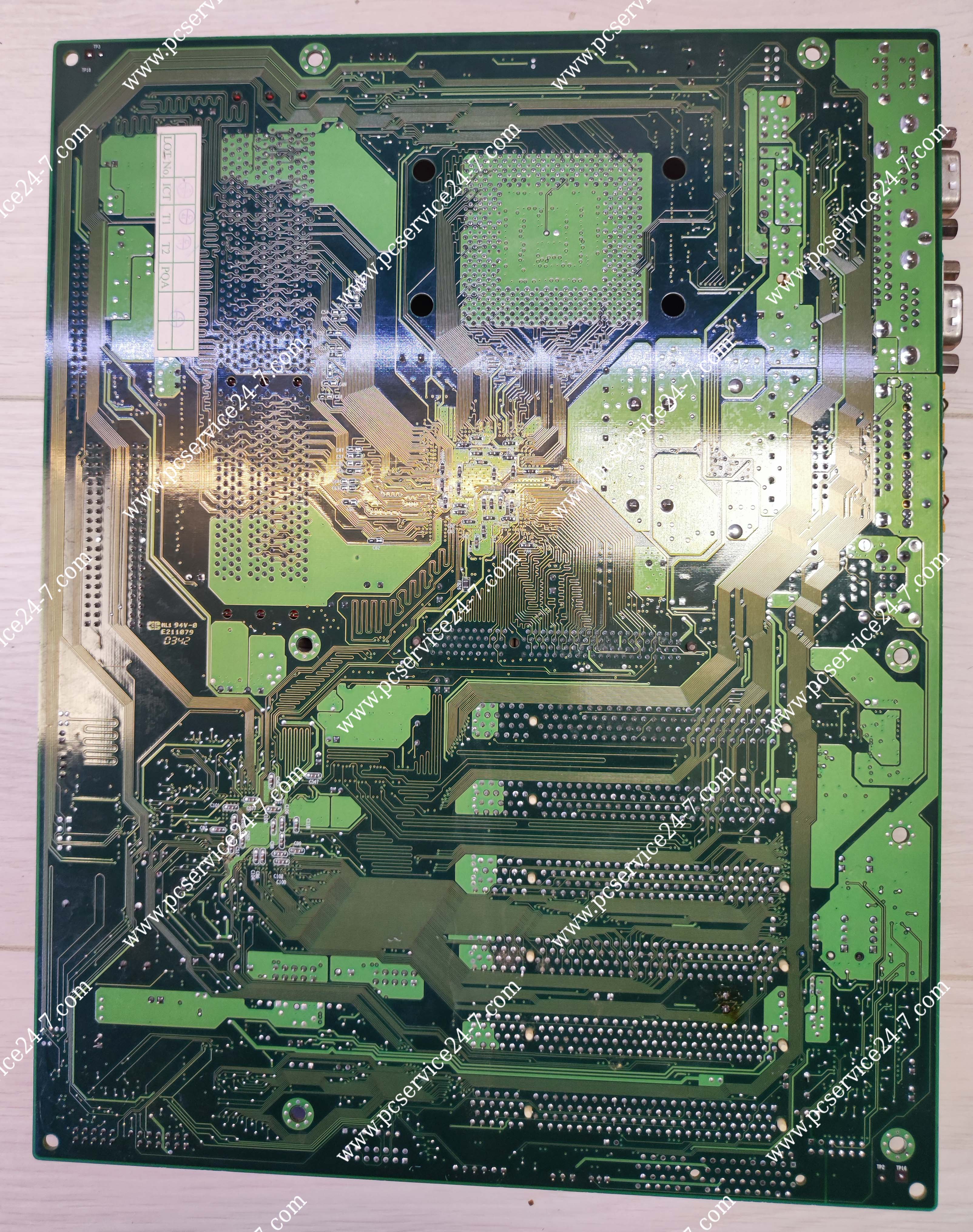
Quick Specs
| Feature | Specification |
| CPU Socket | Socket A (462) |
| Supported CPUs | AMD Athlon XP (Thoroughbred/Barton), Sempron, Duron |
| Chipset | VIA KT600 (North) + VT8235 (South) |
| Front Side Bus | 400 / 333 / 266 / 200 MHz |
| Memory | 3x DDR DIMM Slots (Up to 3GB DDR400/333/266) |
| Expansion | 1x AGP 8X/4X, 6x PCI Slots |
| Storage | 2x IDE (Ultra DMA 133/100/66), 1x Floppy |
| USB | 6x USB 2.0 (Integrated in VT8235) |
| Proprietary Tech | SpeedEasy, LogoShow, RecoveryEasy, StepEasy |
| Form Factor | ATX (305mm x 244mm) |