Deep Research & Description
The ASUS M2N-X is a quintessential “budget warrior” from the mid-2000s (circa 2007). Built on the Socket AM2 platform, it arrived during a massive transition period for AMD as they moved away from the older 939 socket to support DDR2 memory and the high-bandwidth requirements of the Windows Vista era.
The M2N-X is centered around the NVIDIA nForce 520 MCP (MCP65S) chipset. While enthusiasts of the time were chasing the high-end nForce 570 or 590 SLI boards, the nForce 520 was designed to provide a stable, cool-running foundation for home and office PCs. It stripped away the complex multi-GPU features in favor of a lean, efficient single-chip design that prioritized reliability over raw enthusiast features.
Technically, the M2N-X was a pioneer of the 64-bit Dual-Core revolution. It was designed specifically to host the AMD Athlon 64 X2 processors, which brought dual-core computing to the mainstream. By utilizing the HyperTransport 2.0 bus (capable of up to 2000 MT/s), the board ensured that the CPU could communicate with the rest of the system without the bottlenecks seen in older front-side bus architectures.
As an ASUS “X-Series” board, it was marketed for its “Green” features and high-value stability. It featured ASUS Q-Fan, which intelligently adjusted the CPU fan speed based on system load to reduce noise, and ASUS CrashFree BIOS 2, an early “self-healing” feature that allowed users to restore corrupted BIOS data from a floppy disk or support CD. While it only featured two DIMM slots, it supported up to 4GB of DDR2 800 memory—an amount that was considered “future-proof” for the launch of Windows Vista.
Era Context
-
The Windows Vista Milestone: This board was released right as Windows Vista hit the market. It was the “minimum viable high-performance” platform for many users who were upgrading from XP to experience the new “Aero” interface.
-
The “Value” Identity: The “X” in M2N-X often stood for “Value” or “Budget.” It lacked the FireWire or extra SATA ports of the M2N-E, but for gamers on a budget, it was a rock-solid platform that left more money in the wallet for a better GPU like a GeForce 8600 GT.
-
MediaShield Storage: Despite being a budget board, it supported NVIDIA MediaShield, which allowed users to set up advanced RAID configurations. This made it a popular choice for early home-server enthusiasts who wanted to protect their data using RAID 1.
-
End of an Era: The M2N-X was one of the last ASUS boards to heavily feature a wide array of legacy I/O (like Parallel and Serial ports) natively on the back panel before they were moved to internal headers on later models.
Component Gallery
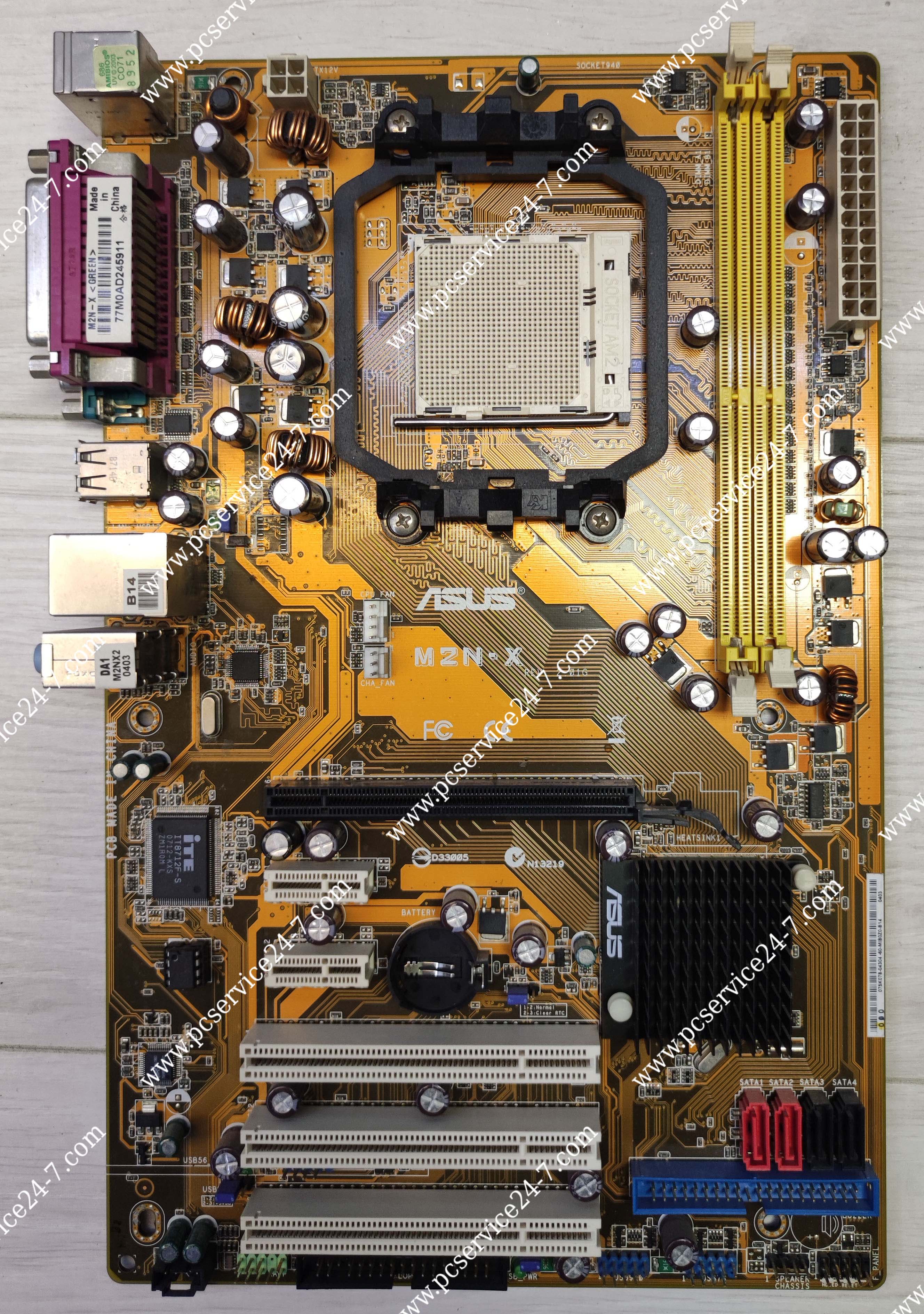
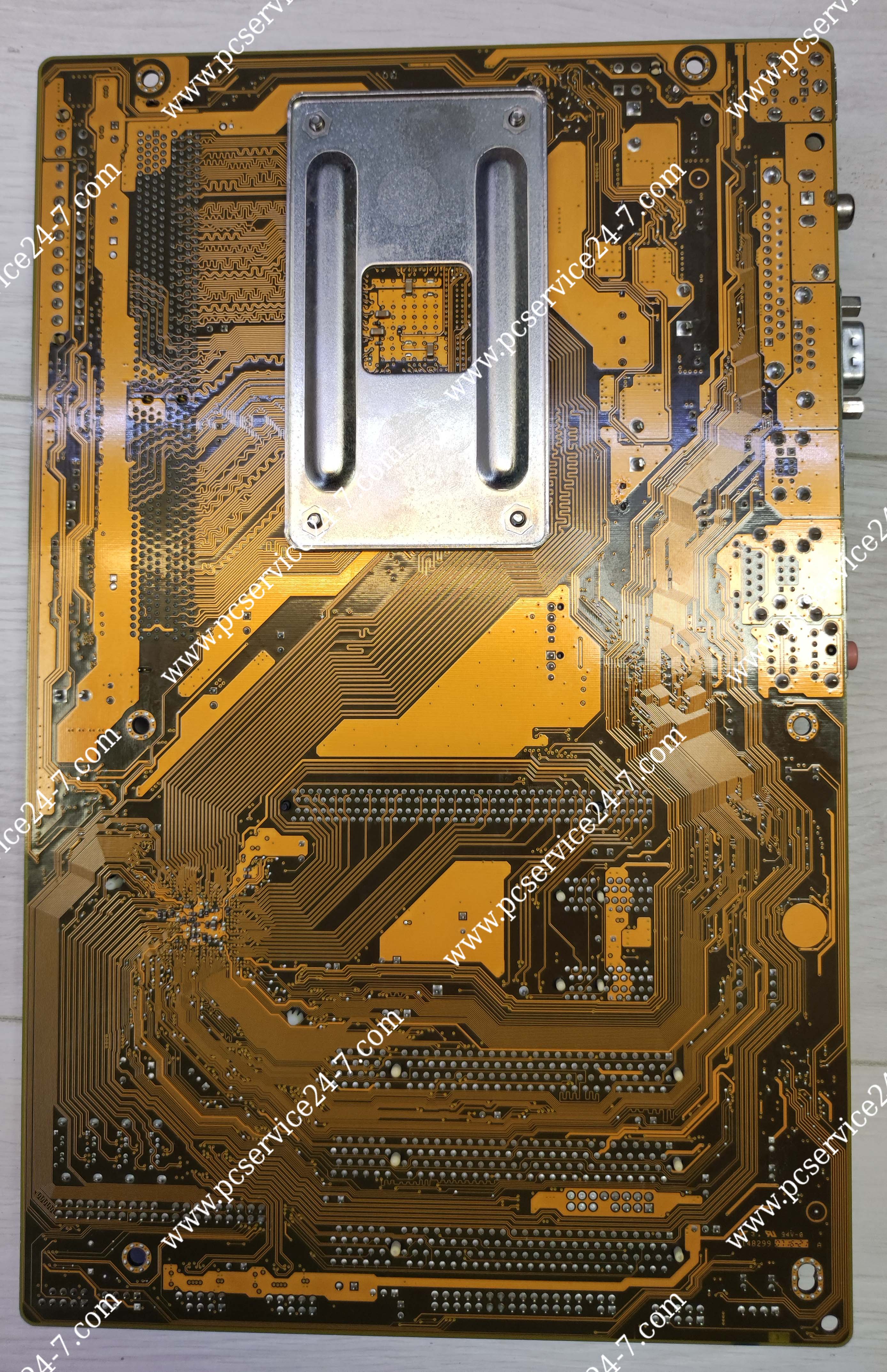
Quick Specs
| Feature | Specification |
| CPU Socket | Socket AM2 |
| Supported CPUs | AMD Athlon 64 X2 / Athlon 64 FX / Athlon 64 / Sempron |
| Chipset | NVIDIA nForce 520 MCP (MCP65S) |
| System Bus | Up to 2000 MT/s (HyperTransport 2.0) |
| Memory | 2x DDR2 DIMM Slots (Max 4GB DDR2 800/667/533) |
| Expansion | 1x PCIe x16, 1x PCIe x1, 3x PCI Slots |
| Storage | 4x SATA 3 Gb/s, 1x UltraDMA 133 (IDE) |
| RAID Support | RAID 0, 1, 0+1, 5, JBOD (NVIDIA MediaShield) |
| Audio | 6-Channel High Definition Audio (ALC883) |
| Form Factor | ATX (30.5cm x 19.3cm) |