Deep Research & Description
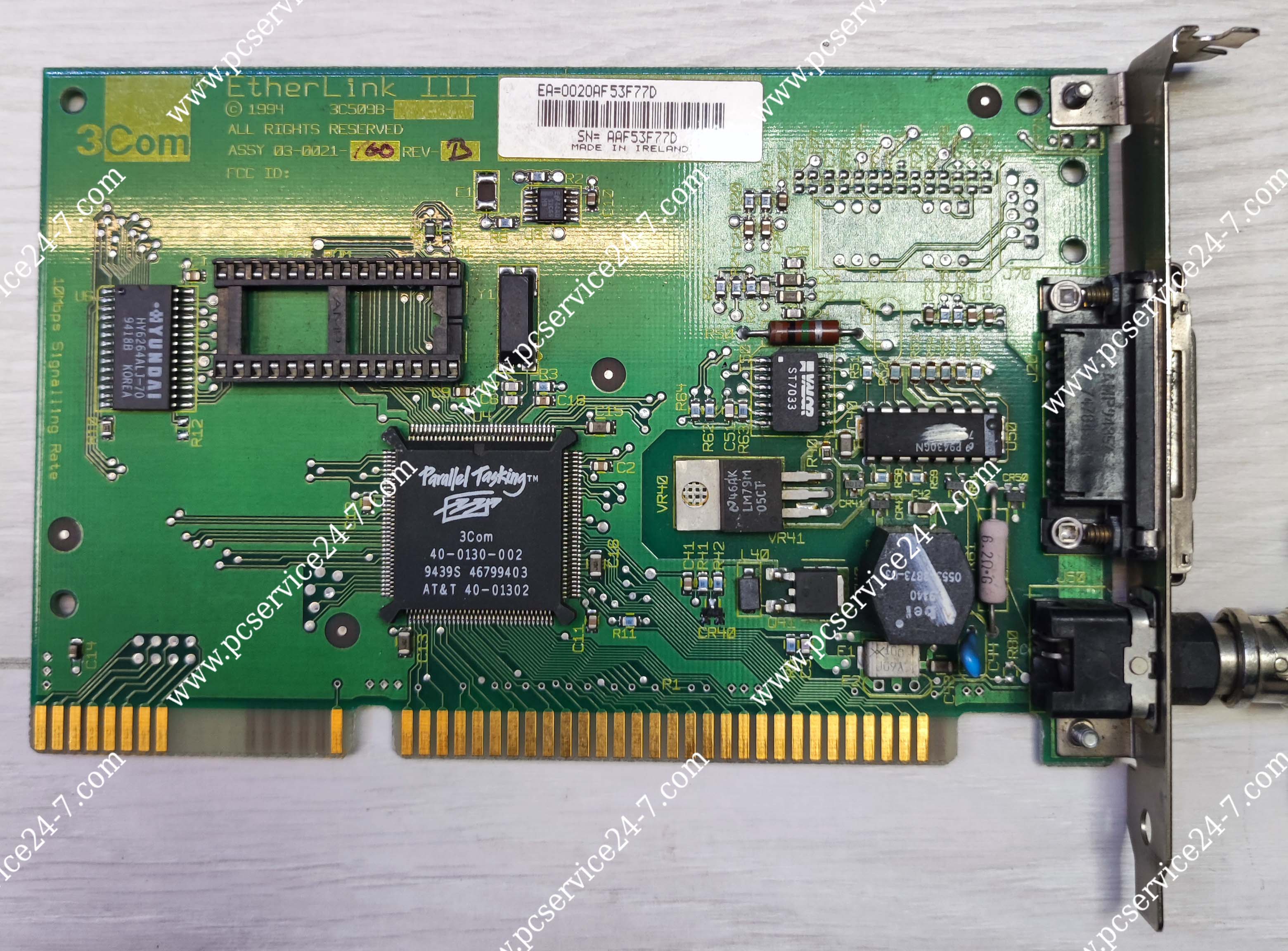
The 3Com EtherLink III 3C509B is the “Gold Standard” of 10Mbps networking from the mid-90s. While other cards of the era relied on the slow NE2000-compatible architecture, the 3C509B was a high-performance, software-configurable powerhouse that defined the ISA networking landscape.
The “B” in 3C509B signifies the second generation of 3Com’s Parallel Tasking architecture. Introduced around 1994, this revision brought one major “killer feature” that the original 3C509 lacked: Full-Duplex support. This allowed the card to send and receive data simultaneously, effectively doubling the theoretical bandwidth to 20Mbps when connected to a compatible switch—a massive advantage for early Windows NT and NetWare servers.
Technically, the 3C509B is famous for being jumperless. While most ISA cards required you to manually set IRQs and I/O addresses with tiny plastic blocks, 3Com used a proprietary software utility (3C5X9CFG.EXE) to store settings in the card’s onboard EEPROM. This made it a favorite for “Plug and Play” (PnP) systems, though it could also be manually locked to specific legacy addresses for finicky DOS environments.
Its Parallel Tasking technology was the secret to its speed. Instead of waiting for a full packet to be received before sending it to the CPU, the 3C509B began transferring data the moment the first few bytes arrived. This minimized latency and made the card feel significantly faster than its competitors, especially in high-traffic 10BASE-T networks.
Era Context
-
The “EtherDisk” Legend: Every 3C509B owner knew the red or blue “EtherDisk” floppy. It contained some of the most robust drivers in history, with native support in everything from MS-DOS and Windows 3.1 to OS/2 Warp and early Linux kernels (the
eth.cdriver). -
BNC Networking: The “Combo” and “TPC” models were essential during the transition from ThinNet (10BASE2) to Twisted Pair (10BASE-T). You could daisy-chain your PCs with coaxial cable today and upgrade to an RJ-45 hub tomorrow without changing cards.
-
The PnP Battle: While technically a Plug-and-Play card, the 3C509B often caused “IRQ Storms” in early Windows 95 systems if the PnP settings weren’t properly synced with the BIOS. Disabling PnP in the 3Com utility was the #1 trick for 90s sysadmins.
-
Industrial Longevity: Much like the Fujitsu boards we discussed, these cards were built to last decades. It’s rare to find a dead 3C509B; they are the “tanks” of the networking world.
Component Gallery
Quick Specs
| Feature | Specification |
| Manufacturer | 3Com Corporation |
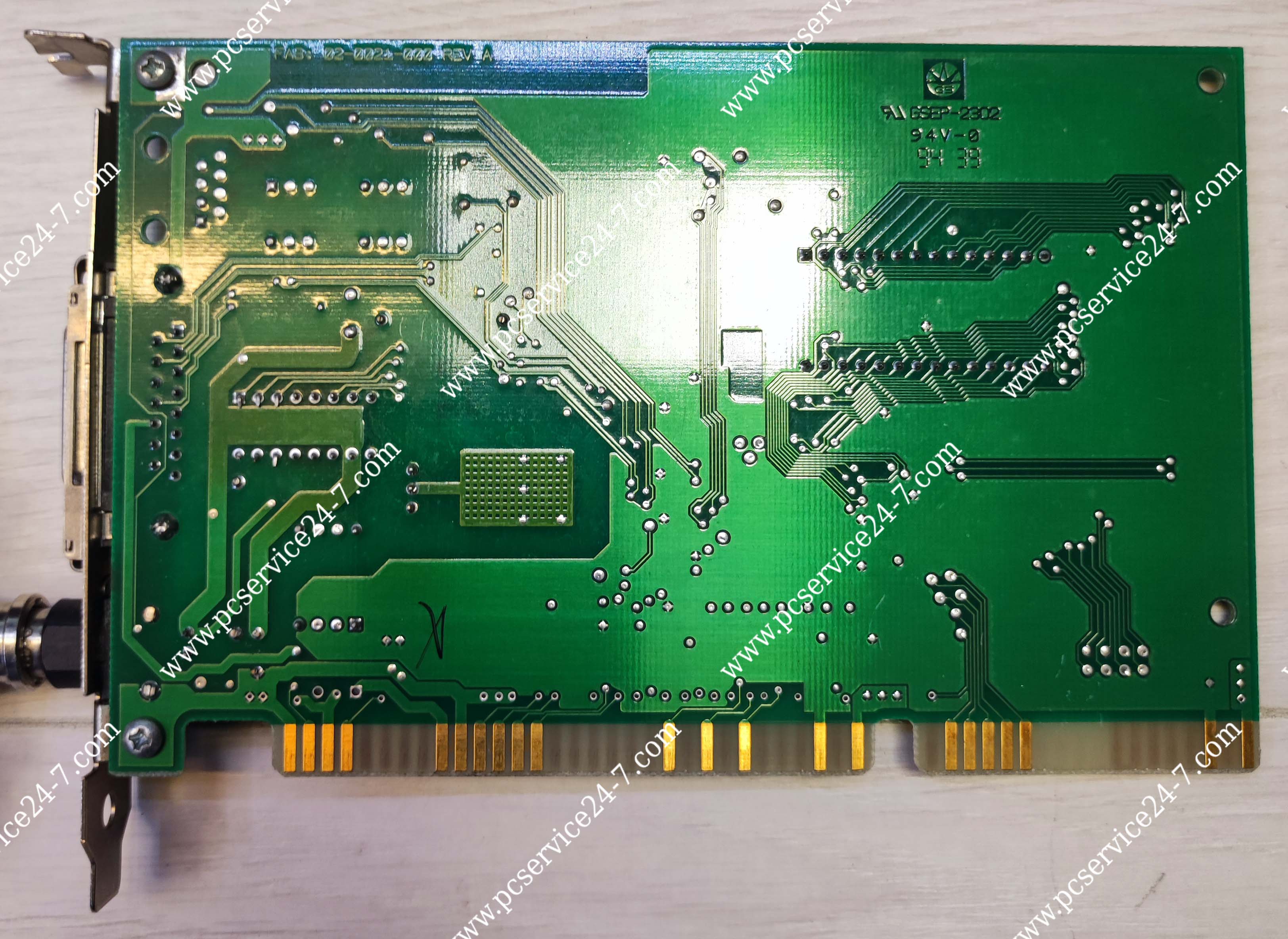
| Interface | 16-bit ISA (8-bit compatible with “Nestor” drivers) |
| Speed | 10 Mbps (Half-Duplex) / 20 Mbps (Full-Duplex) |
| Variants | TPO (RJ-45), TPC (RJ-45/BNC), Combo (RJ-45/BNC/AUI) |
| Technology | Parallel Tasking (Reduced Latency) |
| Config Method | Jumperless (Software-based EEPROM) |
| I/O Addresses | 0x200 to 0x3E0 |
| IRQs Supported | 3, 5, 7, 9, 10, 11, 12, 15 |
| Era | ~1994–1999 |